Last updated November 21, 2026
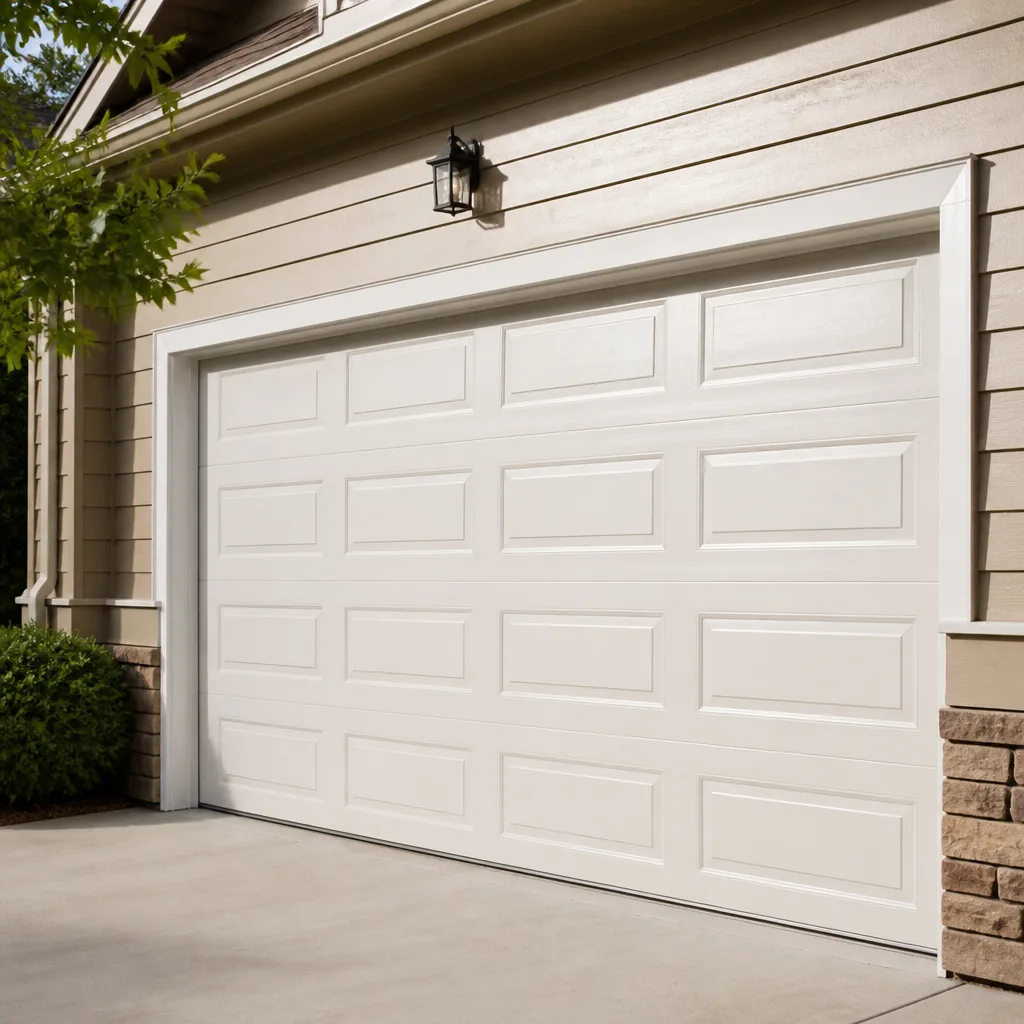 Raised-panel steel
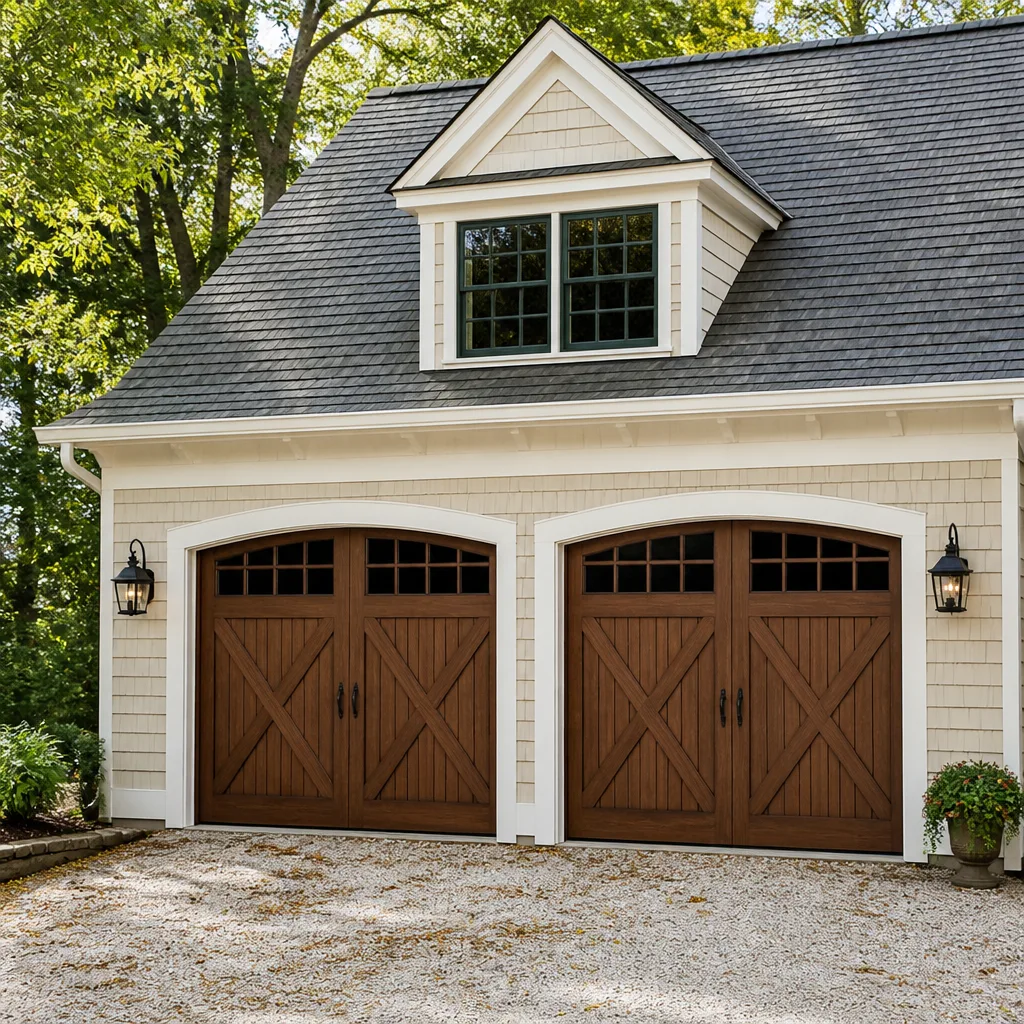 Carriage house
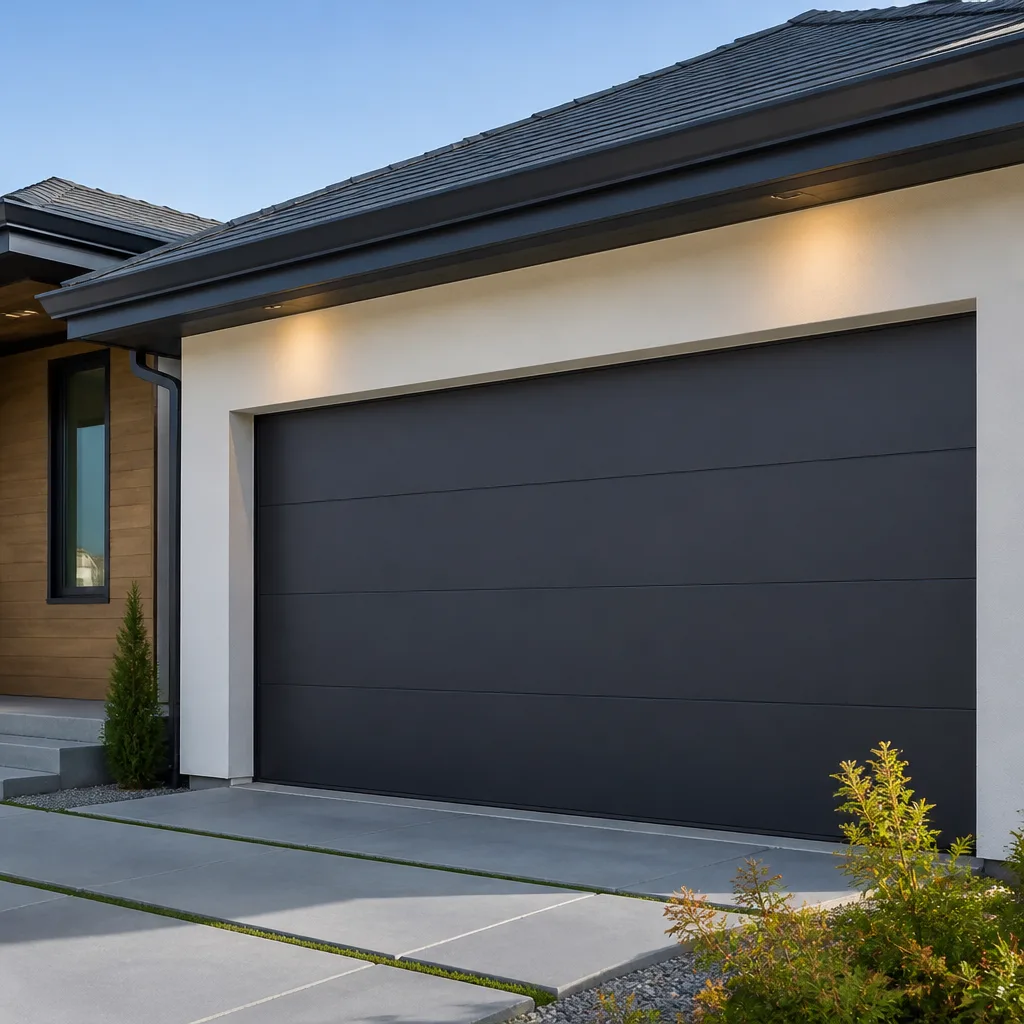 Modern flush
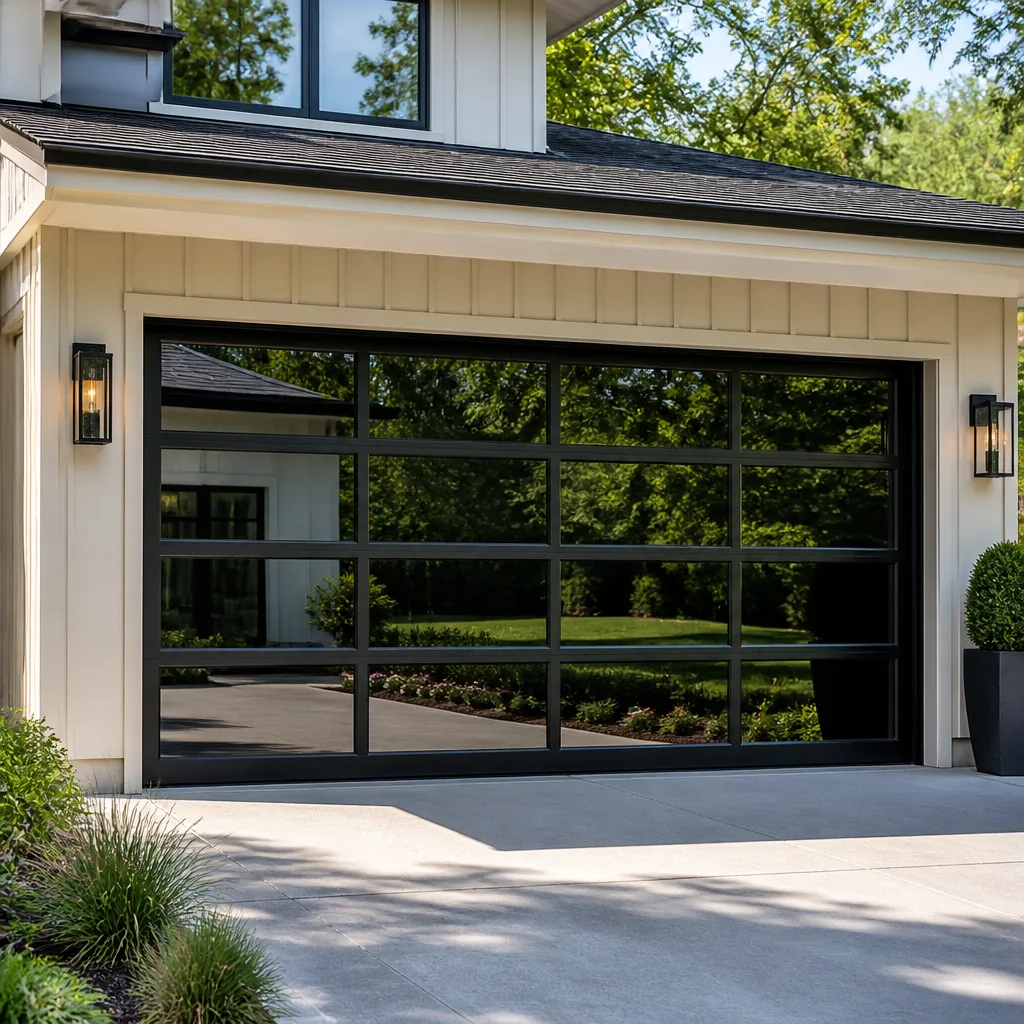 Full-view glass
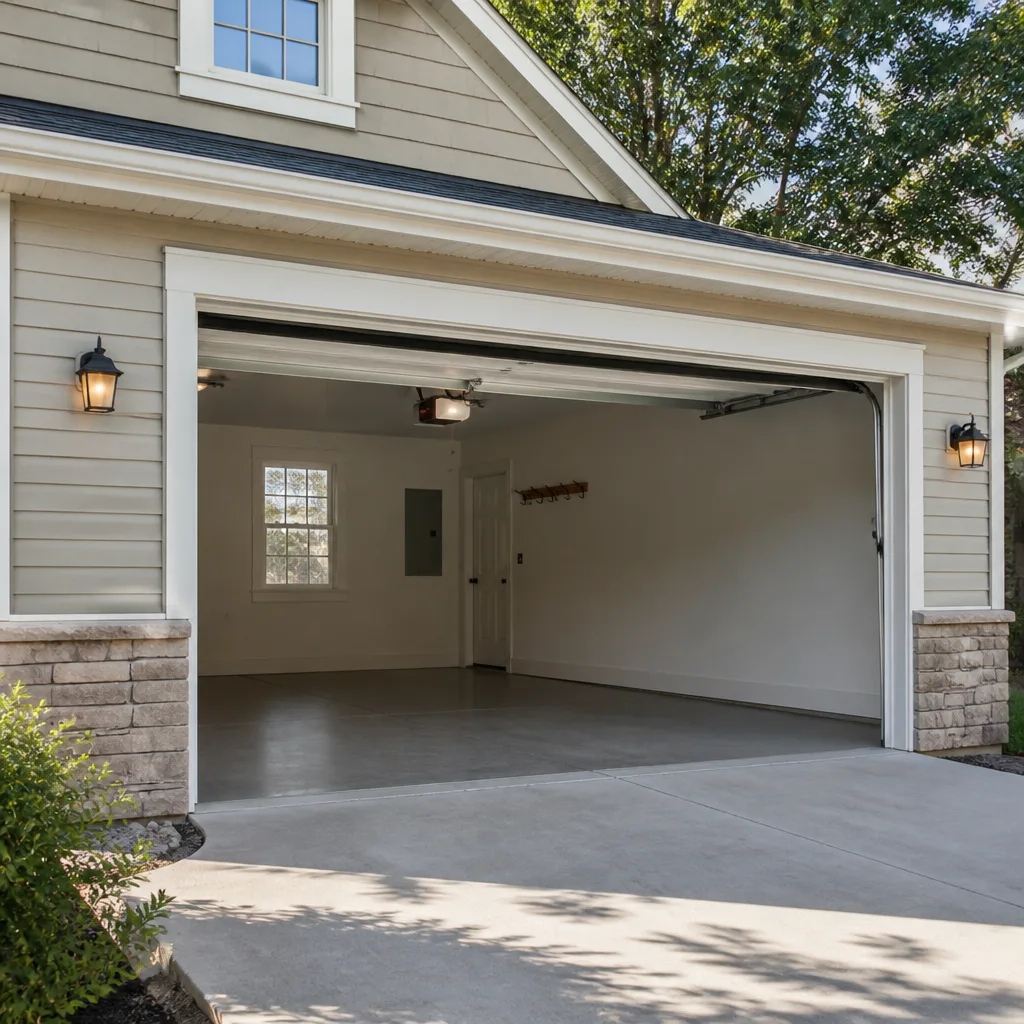 LiftMaster openers
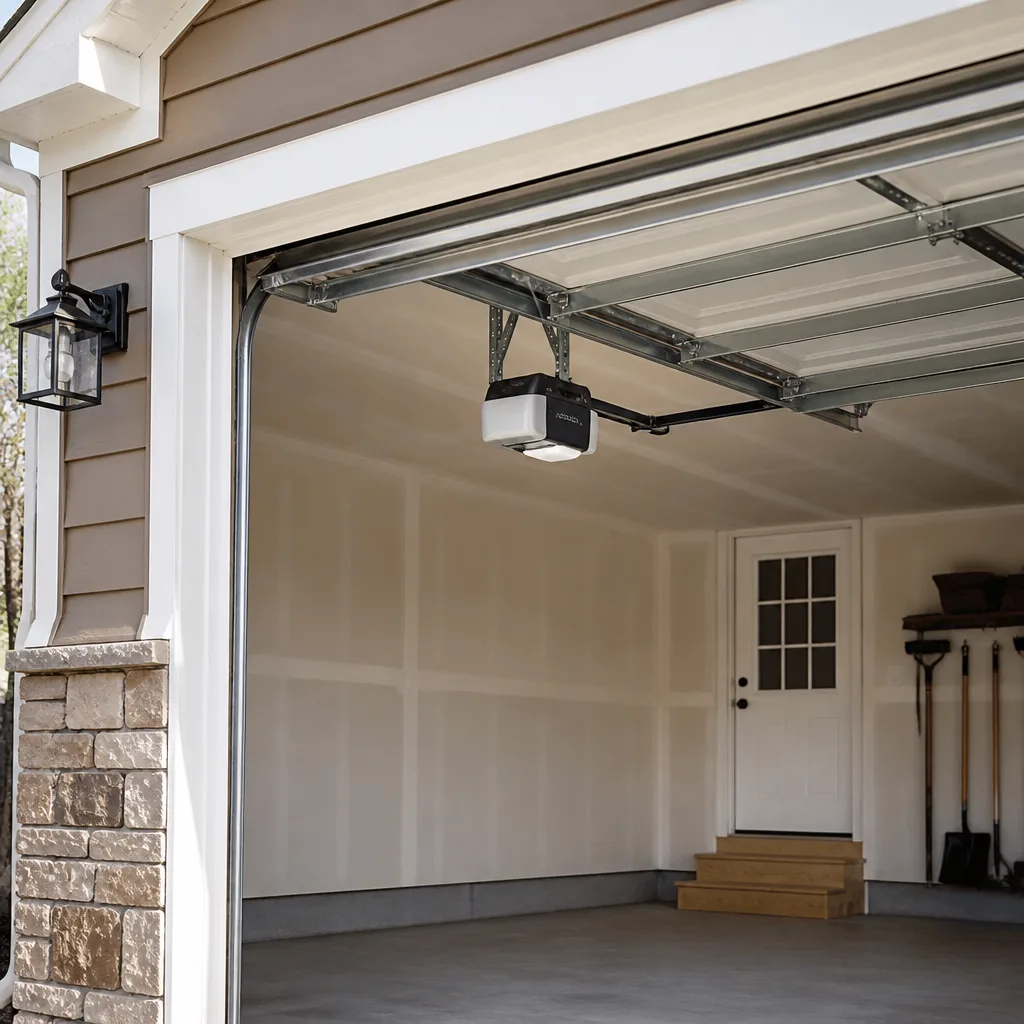 Chamberlain openers
Full 25-point door and opener safety check with every visit - springs, cables, rollers, tracks, and your LiftMaster or Chamberlain opener included
You get a price before we start. It does not change when the pro arrives.
Get your free estimateSeasonal Garage Door Care for Norfolk: Year-Round Homeowner’s Guide
Most garage door advice you’ll find online is built for a place with four neat seasons. Norfolk doesn’t work that way. Our year splits into two high-stakes transition windows – late spring, right before hurricane season, and late fall, right before the first real cold snaps – with two long maintenance modes in between. The homeowners who get into trouble aren’t the ones who skip a chore; they’re the ones who treat Norfolk like a generic climate and prep for the wrong thing at the wrong time. This guide maps real garage door care to Norfolk’s actual rhythm: what to check in April and May, how to handle summer humidity, what the fall transition really demands, and why our 20-35°F freeze-thaw cycle is harder on weather seals than a Minnesota winter.
Quick Answer
Garage door care in Norfolk should follow two critical windows, not four equal seasons. Do your heavy hardware and safety checks in April and May before hurricane season, then repeat a lighter version in late October and early November before the first cold snaps. Between those windows, focus on humidity control in summer and freeze-thaw protection around seals and weather stripping in winter. This rhythm prevents the majority of emergency calls we see in Norfolk.
If you’d rather have a trained eye do the pre-season inspection, the team at Norfolk Garage Door Repair Co handles spring checks, opener diagnostics, and full safety tune-ups across the city. For a door that’s already acting up, our garage door repair service covers everything from a sticking track to a snapped torsion spring.
Styles & brands we work with
- Raised-panel steel
- Carriage house
- Modern flush
- Full-view glass
- LiftMaster openers
- Chamberlain openers
Table of Contents
- Why Norfolk Needs Its Own Seasonal Schedule
- The Spring Window: Pre-Hurricane Season Prep (April-May)
- Summer Mode: Managing Humidity and Heat
- The Fall Window: Pre-Cold-Snap Transition (Late October-November)
- Winter in Norfolk: Freeze-Thaw and Seals
- How to Log Seasonal Observations (So a Technician Can See Patterns)
- A Full-Year Norfolk Garage Door Calendar at a Glance
- Common Mistakes to Avoid
Why Norfolk Needs Its Own Seasonal Schedule
Norfolk sits in a climate zone where the dominant threat changes twice a year. From roughly June through November, named tropical systems are the shape of the risk. Norfolk averages about seven named tropical systems affecting the region per decade, which means a door that hasn’t been checked before June 1st is a liability, not an asset. From roughly December through March, the risk shifts to short, sharp cold snaps and the freeze-thaw cycle that comes with them. Neither threat is severe on its own. The problem is that they arrive close together on the calendar, and a door that isn’t prepped for one is often still weak when the other lands.
Most national “seasonal maintenance” checklists split the year into spring, summer, fall, and winter, each given equal weight. That works in Omaha. It doesn’t work here. In Norfolk, spring and fall are the two windows where you actually do the work. Summer and winter are the modes where you observe, clean, and adjust, but the heavy lifting was already done. Once you think of the year that way, “seasonal care” stops being a chore list and becomes a plan.
The two-window model, in one sentence
Prep hard before hurricane season, prep hard before the first cold snaps, and run a lighter observation mode in between. That’s the whole model.
What “hurricane season” and “cold snaps” actually mean for a door
- Hurricane season (June 1 through November 30): the door becomes part of the building’s envelope during wind events, so the bottom seal, the panel attachments, and the track brackets all matter more than usual.
- Cold snaps (roughly December through March, sometimes late November): freeze-thaw cycles work the bottom seal, weather stripping, and any lubricant that isn’t rated for cold. Grease that thickens in the cold makes springs and hinges work harder.
Notice what’s not on that list: cosmetic issues, paint, and panel appearance. They matter for pride of ownership, but they don’t drive emergency calls. Our focus here is on the parts that fail when the weather shifts.
The Spring Window: Pre-Hurricane Season Prep (April-May)
This is the single most important window of the year in Norfolk. Everything you do in April and May is about making sure the door is ready before the first named system forms. We recommend blocking out a Saturday morning – our own team is closed on Saturdays, but we use them for personal to-do lists too – and working through a fixed sequence. The order matters because each step depends on the one before it.
Step 1: Visual inspection before you touch anything
Walk the full perimeter of the door with a flashlight. Look for cracked or missing seal material at the bottom, bent track sections, loose hinge screws, and any panel that looks like it’s separating from the frame. Write down what you find before you start adjusting; that list becomes your benchmark for the following spring.
Step 2: Hardware tension checks
This is where homeowners get hurt, so we want to be direct: torsion springs are under extreme tension, and adjusting them is one of the most dangerous DIY repairs anyone attempts. Do not touch the springs. What you can do safely is check that the hinge bolts and track bolts are snug. If a bolt turns freely without resistance, it needs to be rolled back in, but stop if you feel the whole assembly shifting. That’s a call-a-professional moment. Our garage door repair team handles spring work as a dedicated service, not as an occasional add-on – it’s “spring repair done safely, done right.”
Step 3: Bottom seal inspection
The bottom seal is the door’s first defense against wind-driven rain. A seal that’s cracked, detached at one corner, or sitting unevenly is the single biggest source of water intrusion during a summer storm. Run your hand along the bottom edge (door fully down) and feel for gaps. Small nicks are fine; a seal that pulls away from the door anywhere is not.
Step 4: Manual release test protocol
This is the test almost no one runs, and it’s the one that matters most before hurricane season. Here’s the protocol:
- Close the door fully and confirm the operator is disengaged.
- Pull the manual release cord down and let the door sit on the release.
- Lift the door by hand about halfway and let it rest. It should stay where you leave it, with minimal drift.
- If the door falls rather than holds, or if it feels heavier than you remember, the springs are losing tension and need a professional look before storm season.
- Re-engage the operator and run it once to confirm the trolley reconnected cleanly.
Step 5: Reversibility test
With the door closing, wave an object (a rolled newspaper works well) in front of the safety sensors. The door should reverse immediately. If it hesitates, the photo-eye alignment or the opener’s sensitivity setting needs adjustment. Our garage door opener repair team works on LiftMaster, Chamberlain, Genie, and Craftsman units regularly – if the opener is a brand already installed in thousands of Norfolk garages, we’ve seen its particular quirks.
Summer Mode: Managing Humidity and Heat
Once June arrives, Norfolk’s humidity does things to a garage door that dry-climate guides never account for. Two specific failure modes matter most, and both can be handled with the same short routine every week or two.
Photo-eye fogging
The safety sensors mounted at the base of the track on each side of the door use optical lenses. In a Norfolk summer, condensation can build up on those lenses overnight and stay until the sun hits them, which means the door won’t close cleanly in the morning, or it will close and immediately reverse. That’s a fogging problem, not a sensor problem. Wipe both lenses with a dry cloth once a week during the hottest, most humid stretch of July and August. If the behavior persists after wiping, the alignment or wiring is the issue and it’s time to look at the opener itself.
Material swelling and track binding
Wood-composite and some wood-look steel doors can absorb enough humidity to swell slightly at the edges, and Raynor and Wayne Dalton doors with wood-grain skins are the ones we see mentioned most often by Norfolk homeowners. When the panel edges swell, the door drags against the vertical track and the opener works harder. You’ll notice the door starting to clunk or hesitate on one side. If the binding happens after a long wet stretch and clears after a dry spell, it’s humidity. If it’s there every time, it’s a track adjustment. Either way, don’t force it – running a binding door through repeated cycles is how you get an opener failure on top of a swelling problem.
Lubricant choice matters more than quantity
Every hinge and roller wants a small amount of lubricant in summer, but a heavy grease that works fine in spring can thicken and turn tacky in Norfolk’s humidity, then attract grit. Use a light, garage-door-specific lubricant on hinges only. Never spray anything on the tracks. The tracks are meant to be clean and dry.
A short summer routine
- Wipe photo-eye lenses weekly during humid stretches
- Wipe the bottom seal dry after any heavy rain event to prevent mold
- Listen for a change in the door’s sound in either direction; new noise is worth a look
- Keep the door in the closed position during storms so the panels aren’t catching wind
If you’re planning a larger door upgrade later in the year, this is also the season to start scoping it. Our garage door installation service covers brands like Clopay and Amarr, and we can measure and quote so the work is scheduled properly rather than squeezed into a hot week.
The Fall Window: Pre-Cold-Snap Transition (Late October-November)
The fall window is the second true prep window in Norfolk, and it’s the one homeowners most often skip because the warm weather lingers. The first frost in Norfolk typically lands somewhere in this window, and the risk isn’t the cold itself – it’s what the first cold snap does to a door that spent the summer wet. Everything you check here is about preparing the door for the temperature swings that come next.
Step 1: Re-run the spring inspection, lighter
Walk the perimeter again and compare what you see to the notes you took in April. The fall version of this check should take ten minutes if you have your spring notes in front of you. You’re looking for anything new: a seal that was fine in May but has started to crack, a track bracket that has loosened over the summer.
Step 2: Grease viscosity review
Any lubricant applied in summer will start to harden when temperatures drop. Before the first cold snap, wipe the hinges you lubricated in July and reapply a cold-rated product. If you don’t know what product is on the hinges already, wipe them clean and apply a known cold-weather lubricant. A spring working against thickened grease pulls harder and puts more stress on the torsion system. This is the piece of fall prep most homeowners don’t know to do.
Step 3: Hinge and roller bolt check
Cold shrinks metal slightly. Bolts and hinge fasteners that were snug in July can develop a small amount of play as the temperature drops. Go around the door and confirm each hinge screw and roller bracket is snug. Don’t overtighten – you’re looking for the absence of wiggle, not maximum torque.
Step 4: Weather stripping check at the sides and top
The side weather stripping is the second line of defense after the bottom seal. Run your hand along the side jamb with the door closed and feel for gaps. If the strip is a rubber bulb, check that the bulb isn’t flattened. If it’s a flap, check that it’s still pliable. Cold will make a rubber strip that’s already stiff brittle fast.
Step 5: Schedule any deferred repairs now
Anything you noticed in summer but didn’t fix – a sticky hinge, a faint track clunk – should be dealt with before December, not after. Cold weather makes every small problem harder to work on and worse to leave. If a repair is more than you want to tackle, call (877) 831-7441 and we’ll book a visit. Our technicians have up to 13 years of experience and can usually tell you within a few minutes whether it’s a two-minute adjustment or a spring replacement.
Winter in Norfolk: Freeze-Thaw and Seals
Norfolk winters are short but erratic. A stretch in the 20-35°F range is normal for January and February, but so is a 60°F afternoon in between. That’s exactly what makes our winter harder on seals and weather stripping than a northern winter. Northern climates freeze once and stay frozen for months. Norfolk freezes and thaws repeatedly, and every freeze-thaw cycle works the rubber a little more.
Why freeze-thaw is the enemy of the bottom seal
When water gets into a small crack in the bottom seal and then freezes overnight, it expands. The crack grows. The next night it freezes again, and the crack grows again. By February, a seal that was fine in October has become a strip of brittle rubber that no longer keeps the wind out. The fix isn’t a thicker seal; it’s catching the crack in early winter before the freeze-thaw cycle does the damage.
The weekly winter check
Once a week from December through March, run the door up and down and listen. A door that sounds normal at 50°F can sound very different at 25°F. Pay attention to:
- Was there a hesitation at the bottom of the travel? That’s usually the bottom seal catching.
- Did the door click or pop on the way up? That’s often a hinge with cold-stiff lubricant.
- Was the door sluggish to start? That can be the opener working against resistance.
- Did you see daylight under the door? That’s a seal that’s shrinking or has cracked through.
What cold does to your spring hardware
Springs themselves are steel and handle cold well. What doesn’t handle cold well is everything they’re working against – hinges, rollers, and any lubricant that wasn’t rated for the temperature. If the door feels heavy at the halfway point on a cold morning but feels normal by afternoon, that’s a cold-viscosity problem, not a spring problem. If it feels heavy all the time, that’s a spring tension issue and it needs professional attention. Don’t try to adjust torsion springs yourself; the risk of serious injury is real and the repair is one of the most dangerous DIY tasks around.
Opener behavior in winter
If your LiftMaster or Chamberlain opener is hesitating on cold mornings, the travel limits may need a small adjustment, not a replacement. Our opener team handles that kind of seasonal tune-up quickly. If the opener is significantly older and the hesitation started this fall, it may be more than a tune-up – that’s a good reason to have us look before it fails entirely.
How to Log Seasonal Observations (So a Technician Can See Patterns)
This is the part most homeowners skip, and it’s the one that turns seasonal care from reactive to proactive. A single observation – “the door is noisy” – tells a technician almost nothing. A log of observations across two or three service visits tells them almost everything. It lets them see the door’s trajectory, not just its current state.
What to log, and when
You don’t need a binder. A single page in a notebook or a note on your phone is enough. What matters is consistency. Log the same few things at each seasonal checkpoint:
- The date and the outside temperature
- Whether the door sounded normal, slightly off, or noticeably different
- Any hesitation, reversal, or failure to complete a cycle
- Visible changes to the bottom seal or weather stripping
- Any repairs done since the last entry
Why this matters more than a one-time inspection
Deterioration is rarely sudden. It’s a slow curve – the seal that cracked in August and finished failing in February, or the hinge that got noisy in May and finally snapped in October. A technician looking at a door for the first time sees one point on that curve. A technician with three log entries sees the direction it’s moving. That’s how we catch a failing spring before it fails, and it’s how we tell a Norfolk homeowner “this door has another two seasons in it” rather than “we’ll see.”
How to hand it over
When you call for service, mention that you keep a seasonal log. We’ll ask the specific questions that make the log useful, and the technician will use the pattern to prioritize what to check. A short, honest log beats a long, vague one every time.
A Full-Year Norfolk Garage Door Calendar at a Glance
Here’s the whole year in one view, if you’d rather work from a checklist than a season-by-season guide.
April-May (spring window)
- Walk the perimeter and log findings
- Check hinge and track bolt snugness (no spring touching)
- Inspect bottom seal for cracks and gaps
- Run the manual release test protocol
- Test reversibility with the photo-eye object test
- Schedule any repairs before June 1
June-August (summer mode)
- Wipe photo-eye lenses weekly during humid stretches
- Dry the bottom seal after heavy rain
- Listen for new noise and log any change
- Keep the door closed through storms
Late October-November (fall window)
- Re-run the spring checklist and compare to your April notes
- Wipe and reapply cold-rated lubricant to hinges
- Re-tighten any hinge or roller bolts that have loosened
- Inspect weather stripping at the sides and top
- Fix anything deferred from summer
December-March (winter mode)
- Weekly up-and-down cycle with attention to hesitation
- Watch for daylight under the door on cold mornings
- Log any change in door sound at low temperatures
- Have the opener looked at if hesitation is new
Common Mistakes to Avoid
- Applying summer grease and leaving it in. Lubricant rated for July will thicken in January and make the whole system work harder. Swap to a cold-rated product before the first cold snap, not after.
- Treating photo-eye fogging as a broken sensor. In Norfolk humidity, fogged lenses mimic sensor failure every summer. Wipe first, then diagnose.
- Skipping the manual release test. It’s the single best early warning for spring problems, and almost no one does it. Ten minutes now beats a door that won’t move in September.
- Touching torsion springs. We can’t say this often enough. The tension in a torsion spring is enough to cause serious injury, and adjusting one without the right tools and training is where most garage door injuries happen. Stop at the hinge bolts.
- Ignoring a minor crack in the bottom seal in October. Norfolk’s freeze-thaw cycle will grow that crack every single night through February. What was a two-minute fix becomes a full seal replacement.
- Waiting until the first named storm is in the forecast. Every Norfolk garage door company gets overrun in the 72 hours before a system arrives. Do the prep in April, not the day before.
- Replacing the opener when the door is binding. Openers fail because they’re asked to move a door that’s dragging. Diagnose the door first, then the opener. Our garage door opener repair team sees this almost every week.
See the difference
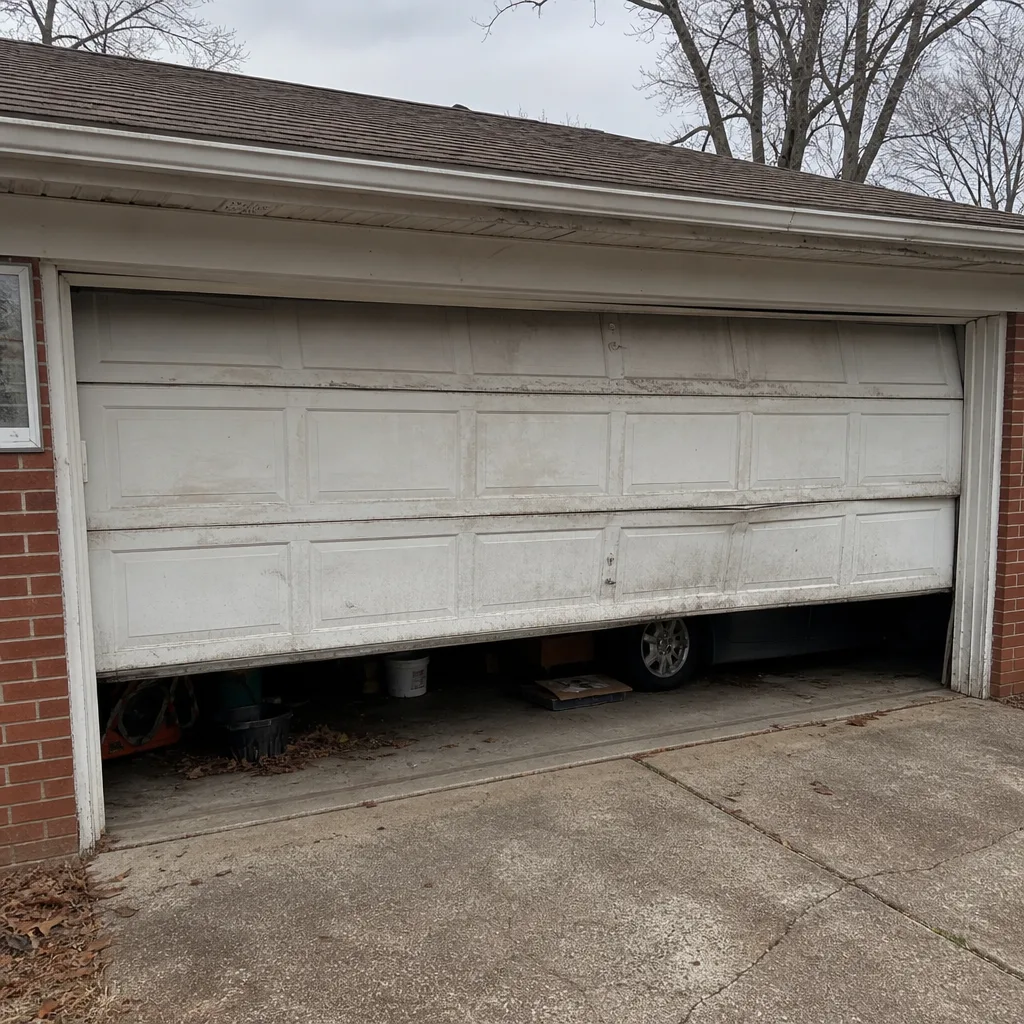 Before
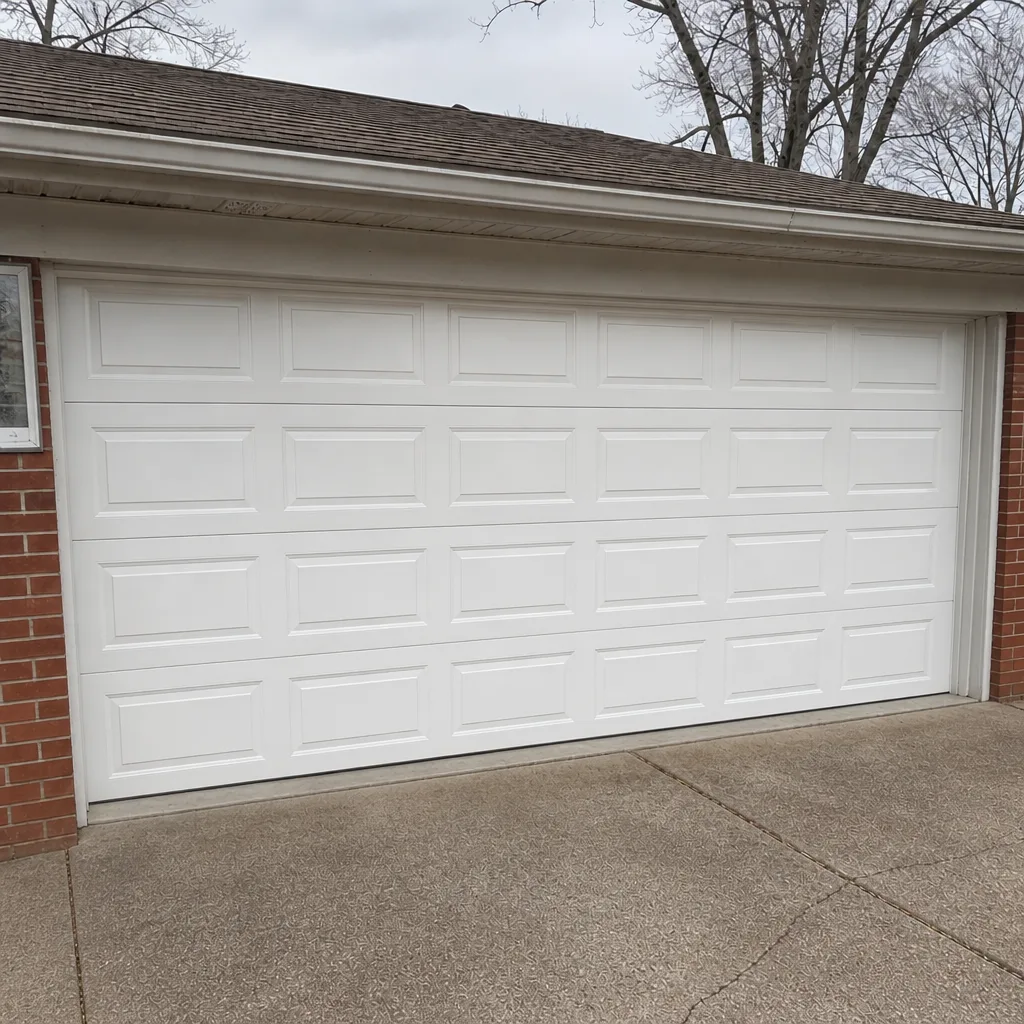 After
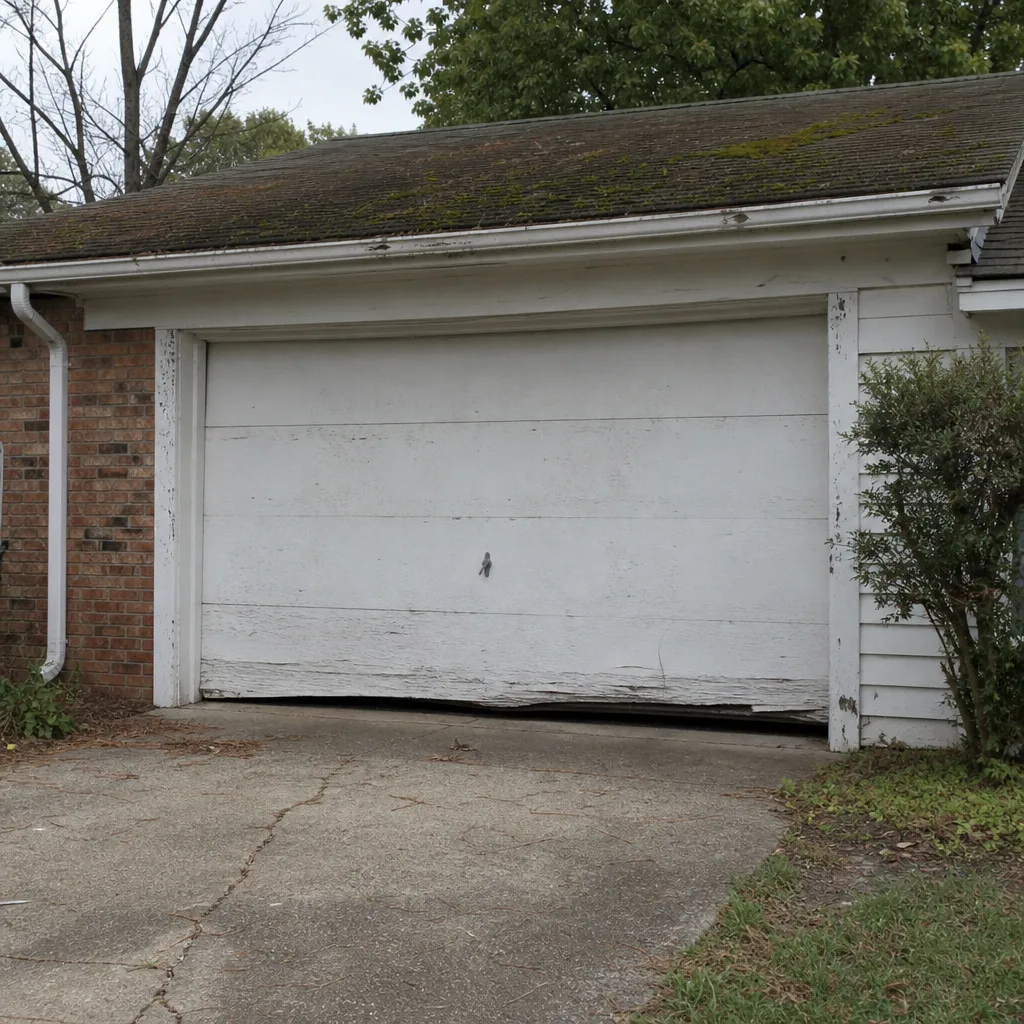 Before
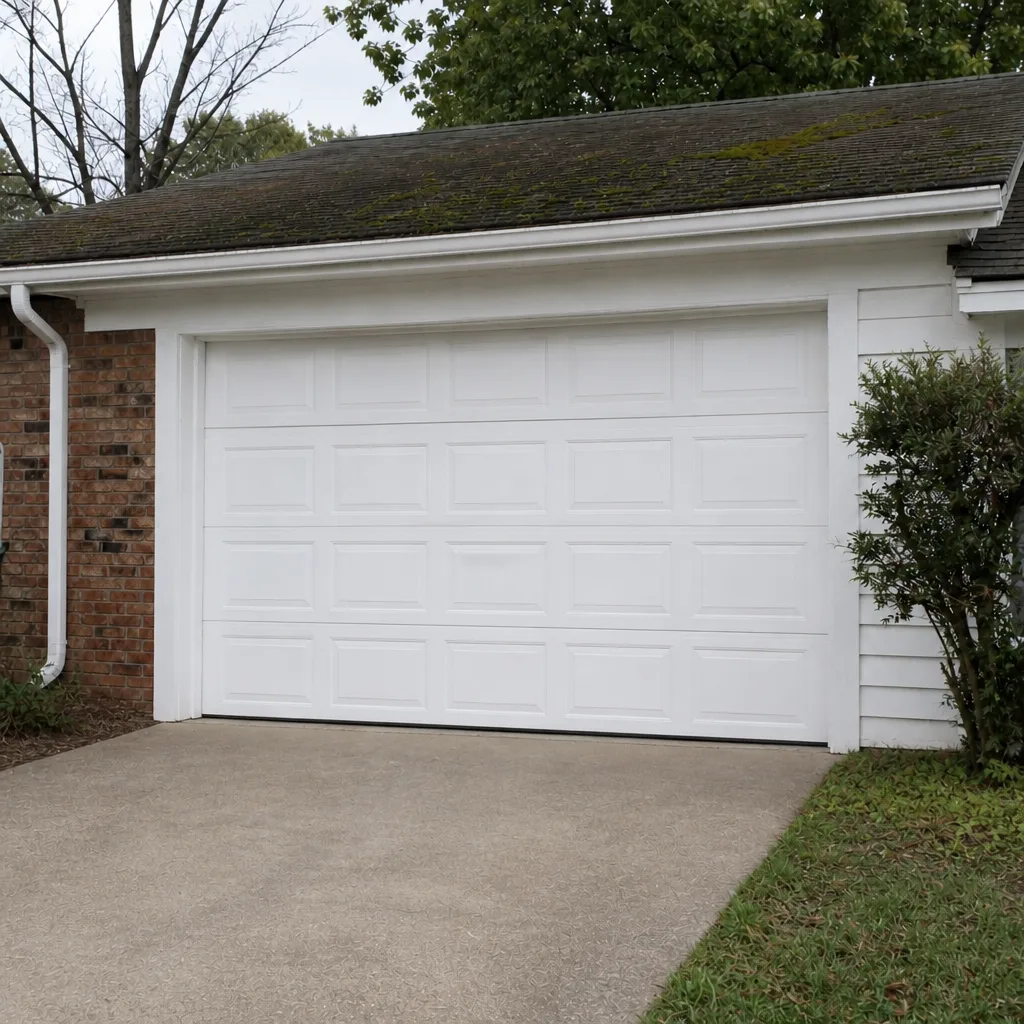 After
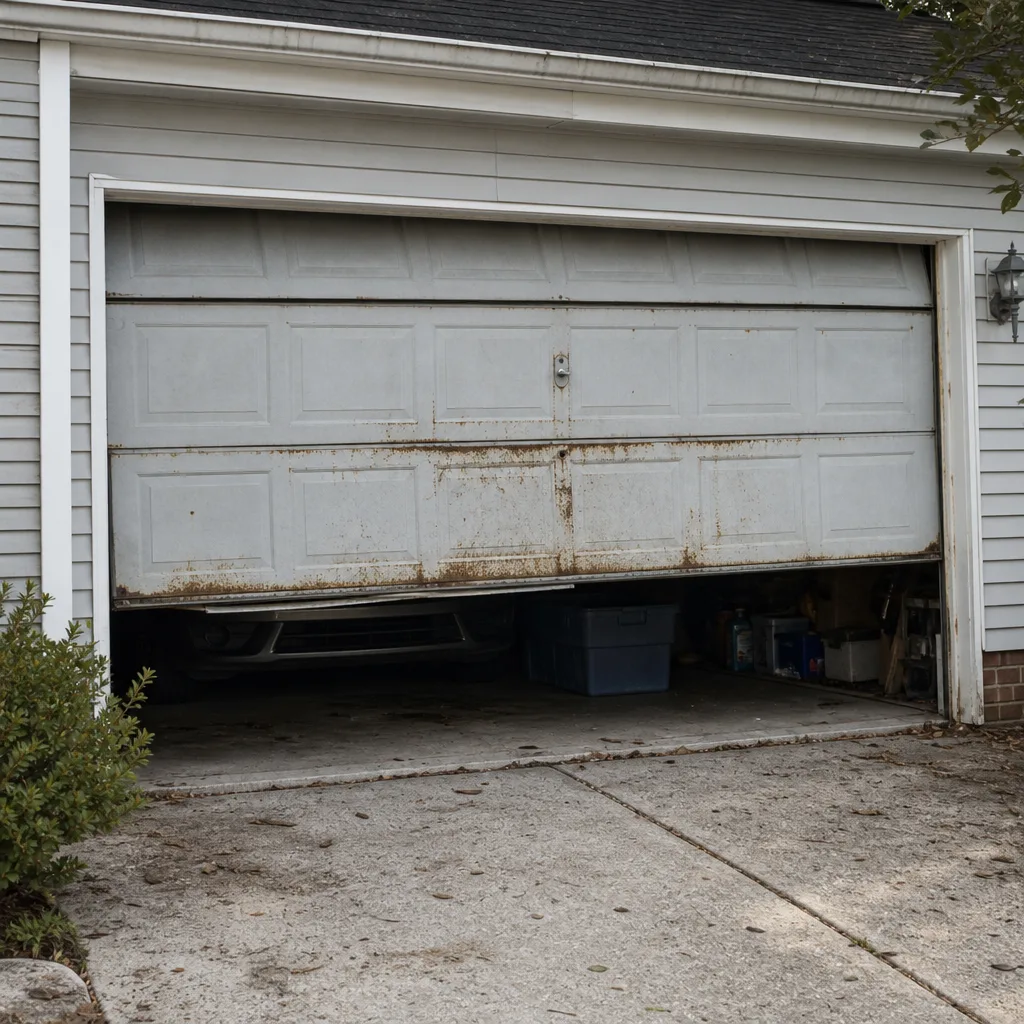 Before
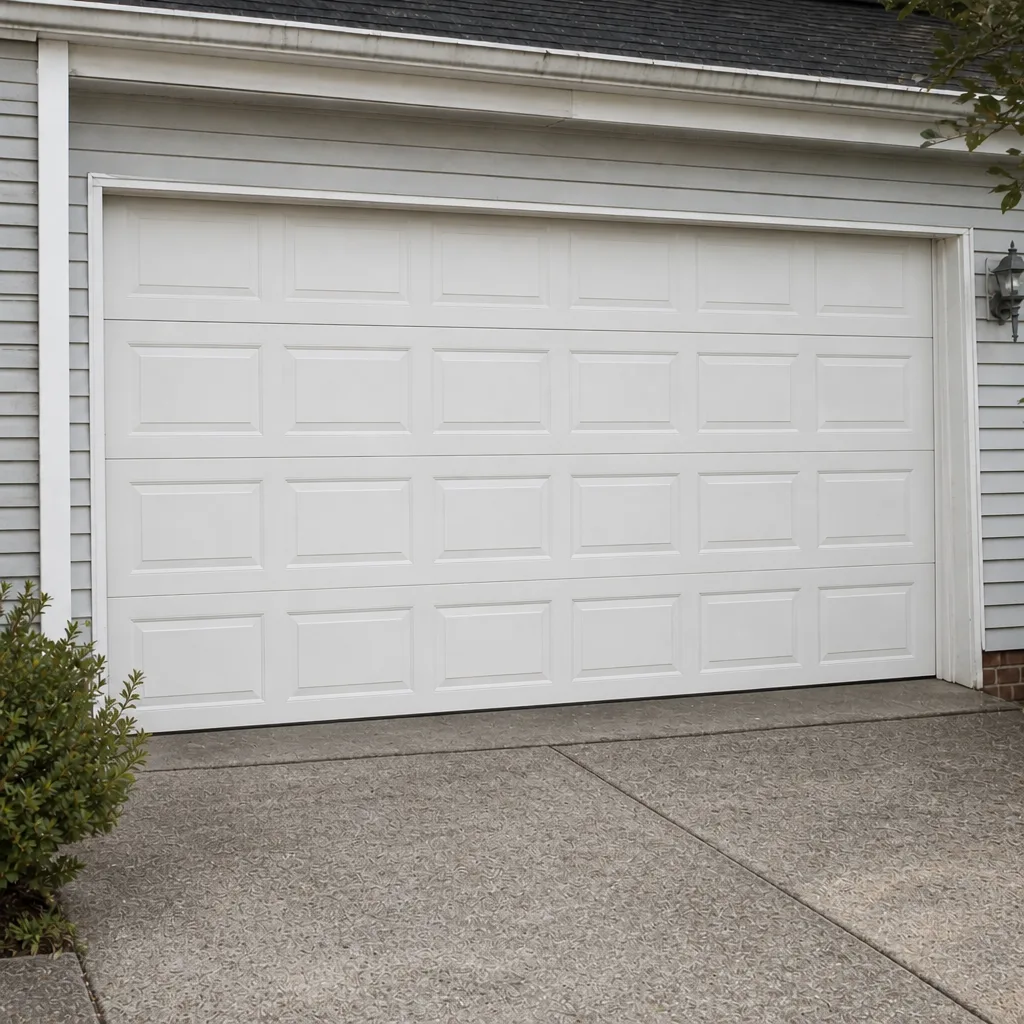 After
When to Call a Professional
Not every seasonal observation needs a service call, but some absolutely do. Call us if you notice any of the following, and stop using the door until you do:
- A torsion spring that has visibly snapped or looks bent
- A door that falls rather than holds during the manual release test
- Visible daylight under the door after weather stripping replacement
- An opener that won’t complete a cycle, or reverses without obstruction
- A door that has come off one track
- Any panel that looks like it’s separating from the door frame
Norfolk Garage Door Repair Co offers free estimates in Norfolk – call (877) 831-7441. We work on the exact brand already in your garage, whether that’s a Wayne Dalton door you installed years ago or a LiftMaster opener that’s asking for a tune-up. If the door won’t move, we will. And if the door has reached the end of its useful life, we’ll tell you that too, rather than sell you a repair that won’t hold. For full replacements, our garage door installation service walks you through brands, sizes, and schedules without rush.
Frequently Asked Questions
Twice a year, timed to the two windows that matter: April-May before hurricane season, and late October-November before the first cold snaps. Those two windows are more important than any specific task in between, because they’re the moments when the door’s risk profile actually changes.
Humidity. Norfolk’s summer air swells wood-composite and some steel doors enough to cause track binding, and it fogs photo-eye lenses overnight. Both are seasonal, both are manageable with weekly routines, and both get worse if you force the door through repeated cycles while it’s binding.
Yes, and more than a hard northern winter. Norfolk’s repeated freeze-thaw cycles work the bottom seal and weather stripping every night a freeze happens. A northern winter freezes once and stays frozen; Norfolk freezes and thaws all winter, and each cycle grows a small crack.
No, and we want to be careful about this one. You can test whether your door holds on the manual release, which is a safe test and the best early warning. But do not adjust or touch the torsion spring itself. The tension is extreme, the injury risk is real, and spring work is a job for a professional. Our garage door repair team handles spring replacement as its own service for exactly that reason.
Sometimes, yes. Raynor and Wayne Dalton doors with wood-grain skins are more sensitive to Norfolk’s summer humidity, and LiftMaster, Chamberlain, Genie, and Craftsman openers have their own cold-weather quirks. If you know the brand, mention it when you call; we work on those brands regularly and can tell you what to watch for. If you don’t know the brand, our team can identify it in person.
Call us and we’ll book you for a Sunday visit. We’re closed on Saturdays, but a door that won’t close is a real security problem and we don’t leave it until Monday. If you’re locked in or out, tell us that when you call and we’ll prioritize the visit.
The Bottom Line
Norfolk’s garage door care isn’t a generic four-season checklist. It’s a two-window system: prep hard in April and May before hurricane season, prep hard in late October and November before the first cold snaps, and run a lighter observation mode in between. Do the manual release test, watch the bottom seal through freeze-thaw, wipe the photo-eyes through summer humidity, and keep a short seasonal log so a technician can see the pattern, not just the symptom. Our technicians have up to 13 years of experience, and our spring repair, opener repair, and installation services cover the brands already in Norfolk garages – LiftMaster, Chamberlain, Genie, Clopay, Amarr, Wayne Dalton, Craftsman, and Raynor. From opener to installation, one call covers it.
If you want a free estimate or a pre-season check, call Norfolk Garage Door Repair Co at (877) 831-7441. We’ll tell you what your door needs for the season ahead and what can wait.
Written by the team at Norfolk Garage Door Repair Co.