Last updated November 21, 2026
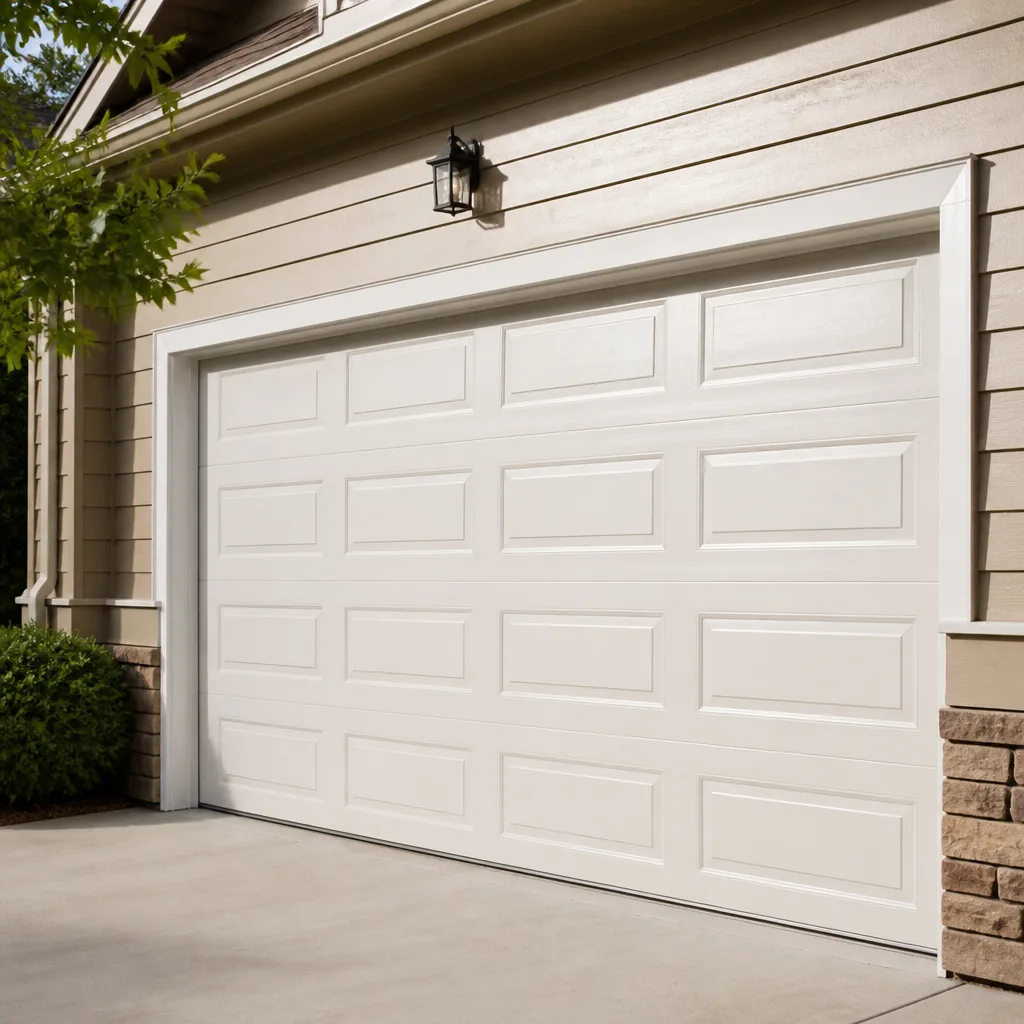 Raised-panel steel
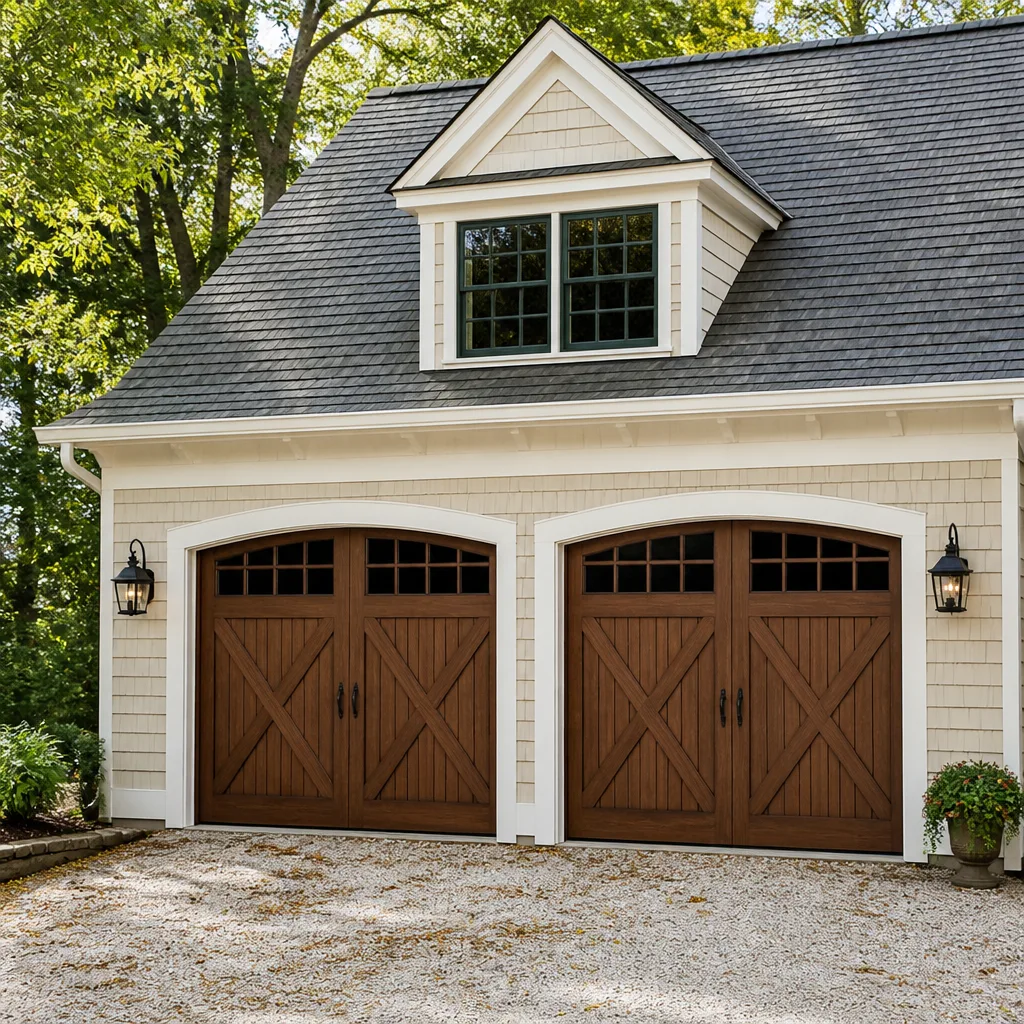 Carriage house
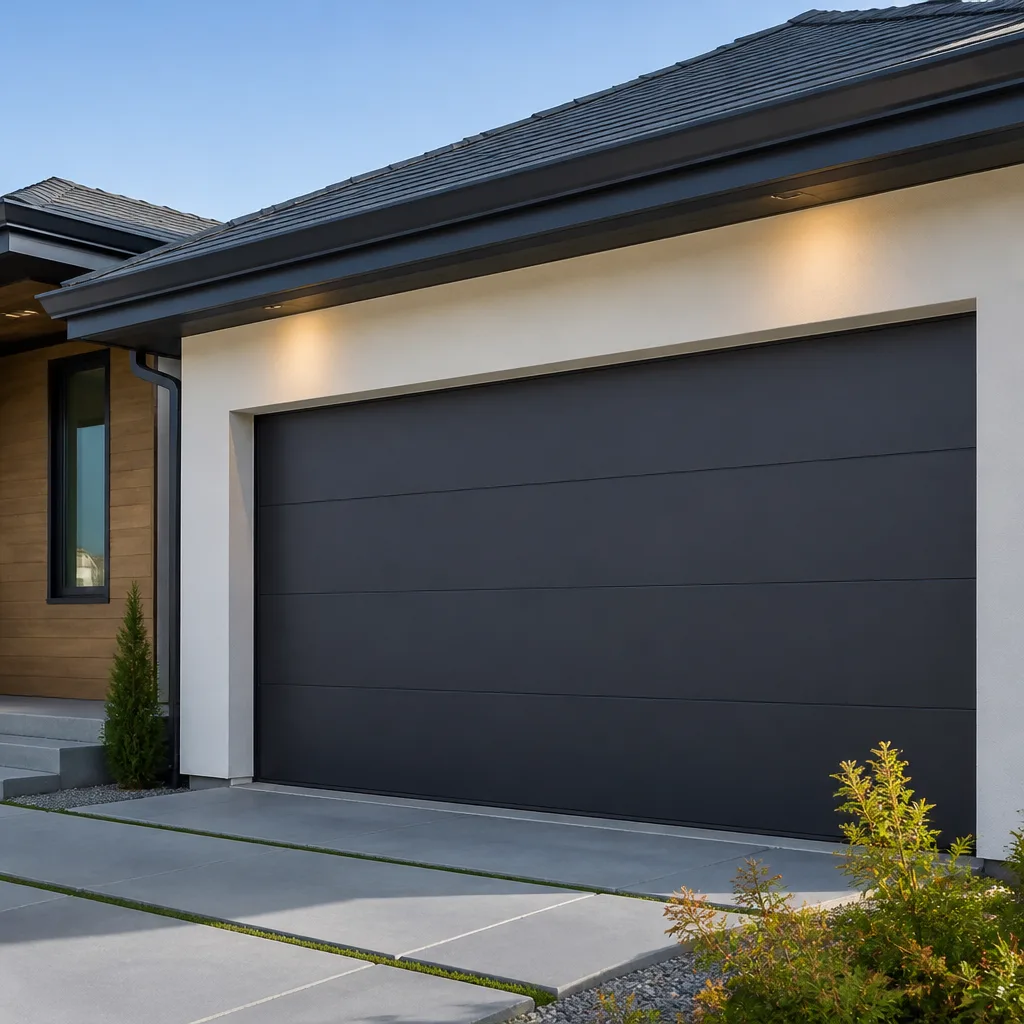 Modern flush
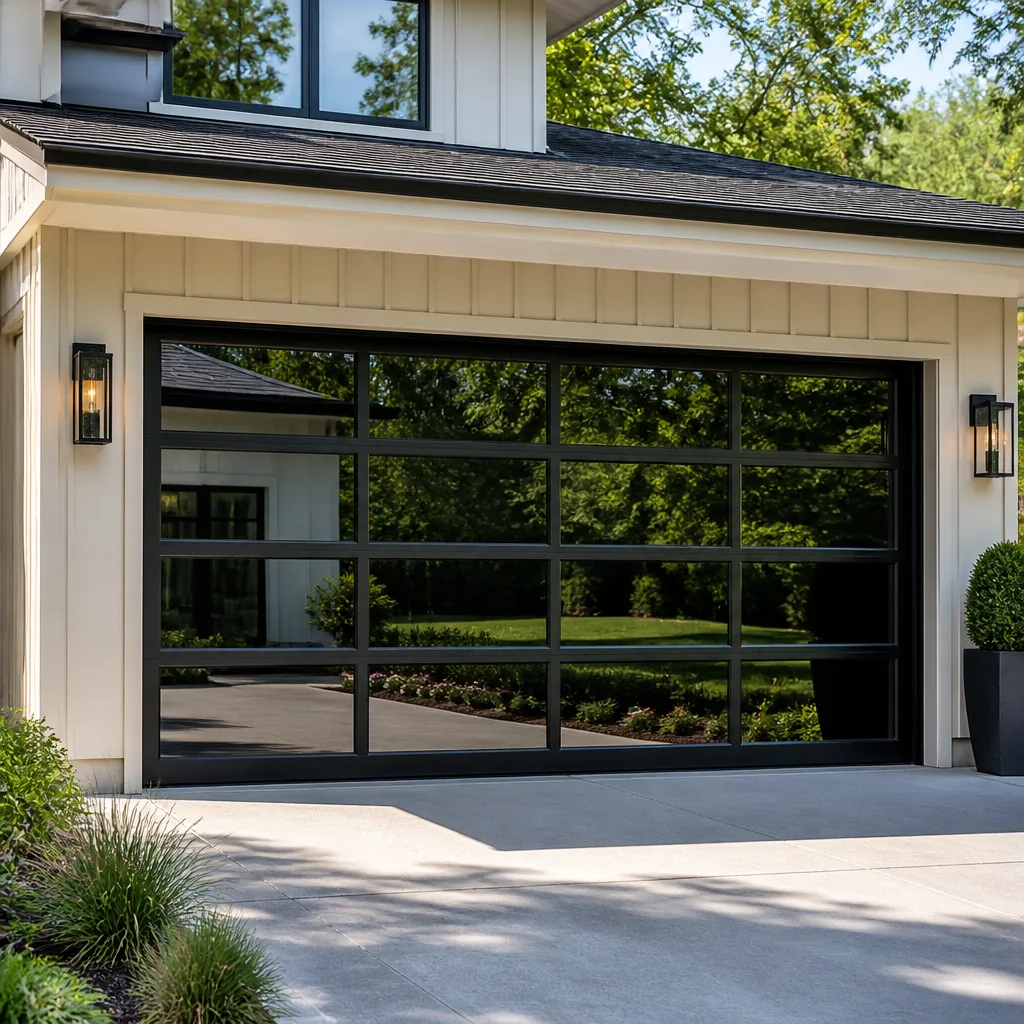 Full-view glass
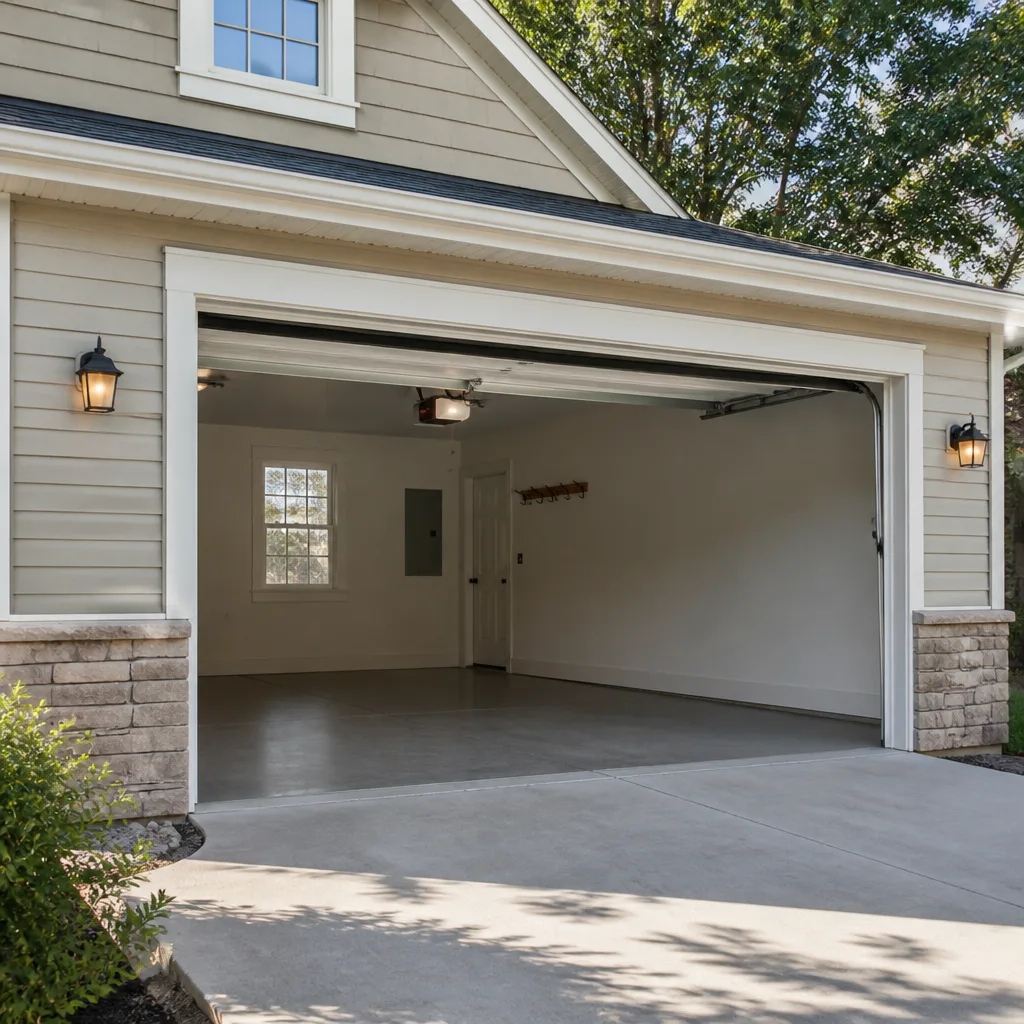 LiftMaster openers
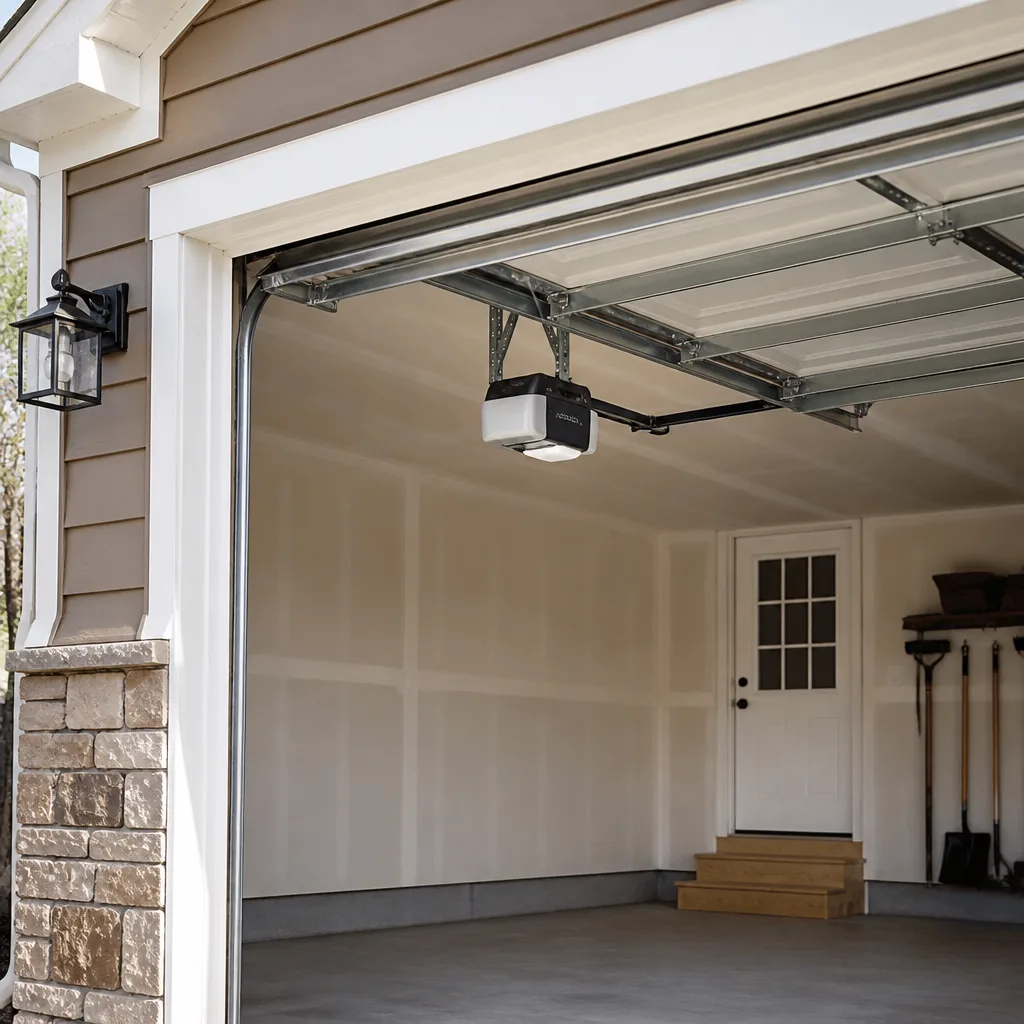 Chamberlain openers
Full 25-point door and opener safety check with every visit - springs, cables, rollers, tracks, and your LiftMaster or Chamberlain opener included
You get a price before we start. It does not change when the pro arrives.
Get your free estimateThe Complete Guide to Garage Doors in Norfolk
Salt air is the detail most garage door guides leave out. In Norfolk, it changes everything about how a door ages: springs pit and snap early, hinges stiffen, and painted steel starts showing rust at the bottom edge long before the same door would fail inland. A door spec’d for a dry climate can look fine at year five and be a liability at year ten in a Norfolk home. This guide treats Norfolk as the specific environment it is. We’ll walk through door materials, spring specs, opener drivetrains, neighborhood quirks from Ghent to Larchmont to the newer builds on the Chesapeake border, and the maintenance that actually moves the needle here. Whether you’re repairing, replacing, or just trying to understand what’s in your garage, it’s all below.
Quick Answer
A well-chosen garage door in Norfolk should last 15 to 25 years if you match the right material to the humidity and salt exposure, spec a torsion spring built for corrosion resistance, and keep up a light annual maintenance routine. Most repairs (springs, openers, cables, panel dents) cost a fraction of replacement, and most replacements are avoidable for the first decade or more. The right door and the right hardware for a Norfolk home are not the cheapest ones on the shelf; they’re the ones built to handle coastal air.
Styles & brands we work with
- Raised-panel steel
- Carriage house
- Modern flush
- Full-view glass
- LiftMaster openers
- Chamberlain openers
Table of Contents
- Which Garage Door Materials Hold Up Best in Norfolk?
- Why Spring Gauge Matters More in Coastal Virginia
- Choosing an Opener for Norfolk’s Humidity
- Ghent, Larchmont, and the Chesapeake Border: Why Neighborhood Changes the Door
- Repair or Replace? A Decision Framework
- The Annual Maintenance Routine That Actually Works Here
- Brand-Specific Knowledge: Why It Matters
- Why One Contractor Beats Three in Norfolk
Which Garage Door Materials Hold Up Best in Norfolk?
For most Norfolk homes, insulated steel doors are the right balance of cost, durability, and insulation value, with aluminum and fiberglass as strong alternatives in specific situations. Wood and natural wood composites look beautiful but demand real maintenance in this climate. The honest answer depends on how much salt exposure and humidity your specific garage sees.
Here’s how the four common materials actually perform in Norfolk:
- Steel (the standard choice): With a factory-applied finish and a galvanized base, steel resists humidity well and handles salt air decently. Look for a door with a baked-on finish rather than a spray-painted one, and expect to touch up the bottom edge every couple of years. Steel doors that use Clopay or Amarr construction tend to hold their finish well here.
- Aluminum: Lighter than steel, doesn’t rust, and is a smart pick for homes close to the water where corrosion is aggressive. The tradeoff is dent resistance. Aluminum dents more easily, so it’s better on quieter driveways than tight turnarounds.
- Fiberglass: Doesn’t rust or dent, but can develop surface crazing and fade in strong UV. Works well on west- and south-facing doors where a steel door would bake. Needs a good gel-coat and periodic cleaning.
- Wood and wood composite: Aesthetically the strongest choice and common on Ghent and Larchmont homes that are trying to match a historic look. In Norfolk’s humidity, wood needs repainting every three to five years and the bottom rails need attention sooner. Wood composites (like certain Wayne Dalton models) take paint more predictably than natural wood but still need upkeep.
One Norfolk-specific note: salt air doesn’t just attack the door panel. It attacks the track, the hinges, the rollers, and the bottom brackets. A door with a great finish and cheap steel hardware still costs you money. When you’re choosing, ask about the gauge of the hinges and whether the track is galvanized or painted.
If you’re comparing options, our garage door installation page covers the measure-and-order process, and the team can walk through material samples at the free measure.
Why Spring Gauge Matters More in Coastal Virginia
Torsion spring gauge is the single most overlooked spec in coastal garage door work. A spring rated for the same lift in Norfolk as in Omaha will not last as long, because humidity-driven corrosion accelerates the fatigue that ends a spring’s life. In some Norfolk locations, an under-spec’d spring can fail in a fraction of the lifespan you’d see inland. That’s why spec’ing the right wire gauge and a corrosion-resistant finish (typically oil-tempered wire with a protective coat, or galvanized for the harshest spots) is worth the small upcharge.
Here’s what actually matters when you’re choosing a spring for a Norfolk home:
- Match gauge to the door weight and cycle rating. The spring has to be sized for the door; never upgrade gauge without a corresponding wire-diameter adjustment.
- Choose a higher cycle rating if the door runs multiple times a day. Standard springs are typically rated for 10,000 cycles. If the garage is your main entrance, spec a spring rated for 15,000 to 25,000 cycles.
- Ask for a corrosion-resistant finish. Oil-tempered wire with a black or gold coating is common; galvanized is worth considering for the closest-to-water homes.
- Replace both springs at once when one fails. A matched pair shares the load. Swapping one spring leaves the older sibling doing extra work and typically fails within a few months.
- Test annually. A trained technician can check for gap, coil bind, and surface corrosion before a spring snaps.
Springs are the most dangerous part of any garage door to touch. The tension on a torsion spring can be hundreds of pounds, and a slip with a winding bar can cause serious injury. We don’t recommend DIY spring work for anyone; this is one of the few genuinely “call a pro” jobs in home maintenance. Our team treats garage door repair as spring-first work for exactly that reason.
Expect a single torsion spring replacement to run roughly in the range you’ll see from a written Norfolk estimate, and a matched pair at about twice that. The written quote you agree to before work starts is the price. Ask the technician to show you the old spring’s wire gauge and cycle rating so you can see what was spec’d.
Choosing an Opener for Norfolk’s Humidity
Belt-drive openers are usually the best fit for Norfolk homes because they run quieter than chain-drive and handle humidity swings without the noisy metal-on-metal wear. Chain and screw drives work fine and cost less up front, but both are louder and, in our experience, more likely to need adjustment as Norfolk’s temperature and humidity swing through the seasons. If the garage is under a bedroom or shares a wall with a living space, belt is the answer.
How the three main opener drivetrains compare for a Norfolk garage:
- Belt drive: Quietest, best for homes with living space above or beside the garage. Fewer moving metal parts means less corrosion-driven noise. Slightly higher upfront cost. Best pick for most Norfolk homes.
- Chain drive: Reliable and cheaper, but loud. In coastal humidity, chain drives can develop a light surface rust and start to squeal if not lubricated. Fine for a detached or stand-alone garage where noise doesn’t matter.
- Screw drive: Middle ground on noise, moves on a threaded rod. Works well in most Norfolk homes, but the rod needs cleaning and greasing more often in humid air than the other two types.
Smart-home compatibility matters too. If you want the door on your phone, control voice assistants, or get alerts when the door opens, a Wi-Fi-enabled opener is worth the small step up. LiftMaster, Chamberlain, Genie, and Craftsman each make Wi-Fi-enabled models. When your opener fails, our garage door opener repair covers all four of those brands and works on the drive type you already have. If the unit is old enough that a repair is more than half the cost of a new opener, we’ll say so honestly.
Ghent, Larchmont, and the Chesapeake Border: Why Neighborhood Changes the Door
The right door for a Norfolk home is partly a neighborhood question. Older Ghent and Larchmont homes often have narrow single-car garages built into the original footprint, with low headroom and doors that need to match a specific architectural period. Newer developments along the Chesapeake border tend to have wider bays, higher headroom, and room for a modern insulated steel or aluminum door with windows. Getting this wrong is the most common installation mistake we see.
Specific neighborhood considerations in Norfolk:
- Ghent and Larchmont: Historic homes often have non-standard opening sizes and need a door that matches the home’s period window style. Low headroom might mean a low-clearance torsion setup or a rear-mount spring. Take accurate measurements before ordering; a custom-size door is worth the wait, and a standard size forced to fit shows.
- Newer builds toward the Chesapeake border: Wider bays (often 16 feet, sometimes 18) are common. This is where aluminum or fiberglass with windows works well, and where you have room for a belt-drive opener with all the smart-home features. Insulation value matters more here because the door is often adjacent to living space.
- Homes close to the Elizabeth River and the inland waterways: Corrosion runs a little hotter than on higher ground, so biasing toward aluminum, fiberglass, or a well-finished steel with galvanized hardware is smart.
- Ranch and split-level homes across Norfolk: Standard 7-foot headroom and 8- or 9-foot wide doors are typical. This is the easiest category for off-the-shelf sizing, but always verify.
A door that fits is not the same as a door that fits the neighborhood. We’ve seen beautiful modern aluminum doors on period homes in Ghent that would have been a perfect match two streets over. The team will talk through style and material at the measure so the door you install matches the house it’s on.
Repair or Replace? A Decision Framework
Most garage door problems are repairs, not replacements. As a rough rule, if a single component has failed (a spring, an opener, a cable, a hinge, a panel), repair it. If the door itself has structural damage or is on the wrong side of 15 to 20 years with multiple failures stacking up, replacement is usually the better value. The decision framework below handles 90% of cases.
Ask these questions in order:
- What exactly failed? A spring, an opener, a cable, a roller, or a hinge is a repair, not a replacement. Even a bent panel can often be replaced on its own.
- How old is the door? Under 10 years with a single failure: repair. Over 20 years with three or more failures in two years: replacement is worth pricing.
- Is the frame and track still sound? If the track is bent or the frame has rot or rust-through, replacement is on the table even if the door panel is fine.
- Are the springs and opener still the right size? If a heavier door was added or the original springs were undersized, a top-to-bottom rework often costs less as a replacement than as a series of repairs.
- Is there insulation or safety compliance missing? Doors without a reversing safety mechanism (or an old opener without photo-eyes) should be upgraded for safety regardless of age.
We always price both paths when it’s a close call: a repair estimate and a replacement estimate, side by side, so you can see the true cost of each over the next ten years. That’s part of the free estimate process, and the written quote sets the final price.
The Annual Maintenance Routine That Actually Works Here
A committed 30-minute routine once a year will add years to a Norfolk garage door. The specifics that matter here are the ones most homeowners skip: hinge inspection, track cleaning, and bottom-edge attention where salt air does its first damage. Here’s what to actually do, in order.
- Inspect the springs visually. Look for a visible gap in the coil or any rust blooming on the wire. Don’t touch them; just look. If either is present, call a technician.
- Wipe the track and light oil the rollers. A dry rag on the track removes salt and grit. A light spray of white lithium grease on the rollers keeps them quiet.
- Check the hinges and the bottom bracket. If a hinge is stiff or shows rust, replace it. The bottom bracket takes the most salt; look for any sign of corrosion.
- Look at the bottom rubber seal. If it’s cracked or pulling away, it’s letting humidity and water in. Replacing it is cheap and prevents rot on the panel’s bottom rail.
- Test the safety reverse. Put a small block of wood on the floor under the door and close it; the door should reverse. If it doesn’t, that’s a call-a-pro job.
- Clean and lube the opener chain or screw. On a chain-drive, a light oil on the chain goes a long way. Belt-drive needs nothing here, which is a small reason it wins in this climate.
- Paint or touch up the bottom edge of the panel. Norfolk’s humidity will find any raw metal edge. A quick touch-up with the manufacturer’s finish keeps rust from starting.
This is a light annual pass. Any time you spot something that requires turning a wrench on the springs, cables, or brackets, stop and call. There’s no shame in it; we would do the same.
Brand-Specific Knowledge: Why It Matters
Working on the brand already in your garage is not a marketing line; it’s a practical reality. Garage door brands use proprietary part profiles, opener logic, and safety sensor designs. A technician who knows Genie openers will solve a travel-limit problem in fifteen minutes. A technician who mostly works on other brands will burn an hour. Across Norfolk, the brand you have in front of you matters for speed, for the right part, and for whether a repair is even worth doing.
The brands we work on, and what’s worth knowing about each:
- Clopay and Amarr are among the most widely installed door brands in Norfolk homes. Both have well-documented profiles and widely available replacement panels, hinges, and bottom seals. If your door has a manufacturer label, checking it before the call speeds things up.
- Wayne Dalton doors and openers are common in older Norfolk neighborhoods, particularly the wood-look and composite styles. Parts for the older style are often special-order, so calling early is smart.
- Genie openers are widespread and repair-friendly; most common failure modes are well understood and can be resolved in a single visit.
- LiftMaster, Chamberlain, and Craftsman cover most of what’s under the opener motor cover in Norfolk homes. Firmware, safety sensors, and travel limits all differ enough that knowing the brand matters.
- Raynor doors are more common than people expect in commercial-leaning applications and some residential installs. Parts are usually available but worth verifying on the phone.
If you don’t know the brand of your door or opener, don’t worry. There’s usually a manufacturer sticker on the back panel of the door or the side of the motor housing. A photo of the sticker is enough for us to confirm before the visit. That’s one of the reasons we cover Norfolk Garage Door Repair Co as a single point of contact for every brand in this list.
Why One Contractor Beats Three in Norfolk
Juggling a door installer, a spring tech, and an opener electrician adds real cost and real delay in this market. You end up with three quotes, three schedules, and a frustrating lack of accountability when a problem spans more than one specialty (as most do). A single point of contact that covers the full job, from opener tuning to a snapped torsion spring to a full door replacement, is the simpler path and usually the cheaper one.
Where the single-contact advantage shows up in Norfolk:
- One diagnosis. A door that won’t open could be a spring, a cable, an opener, or a safety sensor. With one contractor, you get one diagnosis, not three.
- No handoffs on the parts. If the door needs a new hinge and the opener needs a new travel limit, one crew handles both in one visit. Splitting them means paying two service calls.
- Emergency response. A door stuck open is a security issue tonight, not tomorrow. One specialist team that handles emergency work in Norfolk is faster than a handoff between three numbers.
- A single warranty path. If something goes wrong after the repair, you have one number to call, not a chain of suppliers and installers pointing at each other.
- Better estimates. When one team quotes a repair and a replacement together, you can see the true cost comparison without three separate appointment windows.
Common Mistakes to Avoid
- Choosing a door purely on the showroom sticker price. The cheapest steel door in Norfolk often has the thinnest finish and the most corrosion-prone hardware. It costs more over ten years than a mid-range door with galvanized hinges and a baked-on finish.
- Skipping the corrosion-resistant spring spec. A standard spring works inland. In a Norfolk home close to water, an under-spec’d spring is likely to fail years ahead of its cycle rating. Ask for the gauge and the finish.
- Replacing one spring when the pair is due. Matching springs share the load. Replacing one leaves the old one doing double duty, and it usually fails within months. Replace the pair.
- Ignoring the bottom edge of the door. Salt air and Norfolk’s humidity attack the bottom rail first. A quick two-minute touch-up once a year prevents a costly panel replacement later.
- Spec’ing a standard-size door for a Ghent or Larchmont opening. Historic homes need accurate measurements. Forcing a standard-size door into a non-standard opening shows at the edges and stresses the hardware.
- Installing a chain-drive opener over a bedroom. Quiet matters more than the upcharge. Belt-drive is the right call when the garage shares a wall or floor with living space.
- Trying to fix springs or cables yourself. Torsion springs store enough energy to cause serious injury. This is the one place in home maintenance we tell every homeowner to call a technician.
See the difference
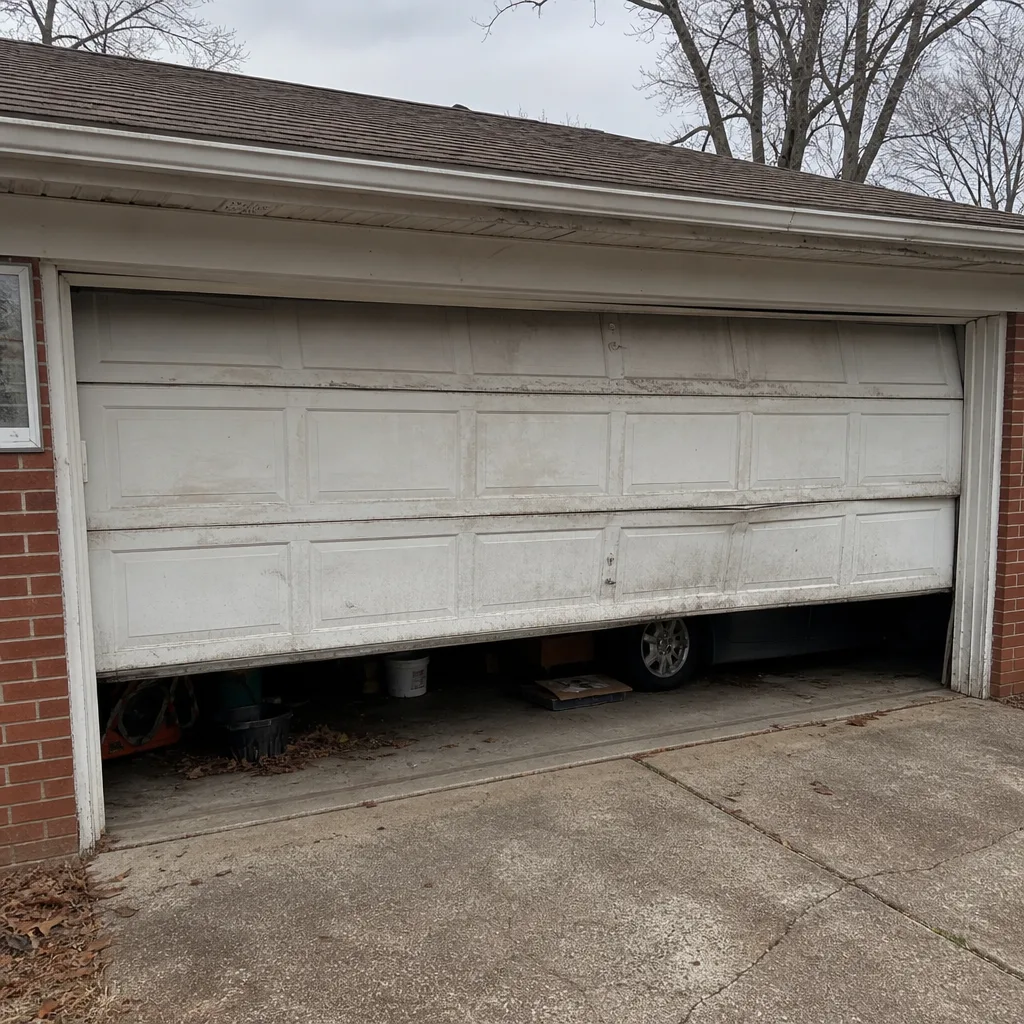 Before
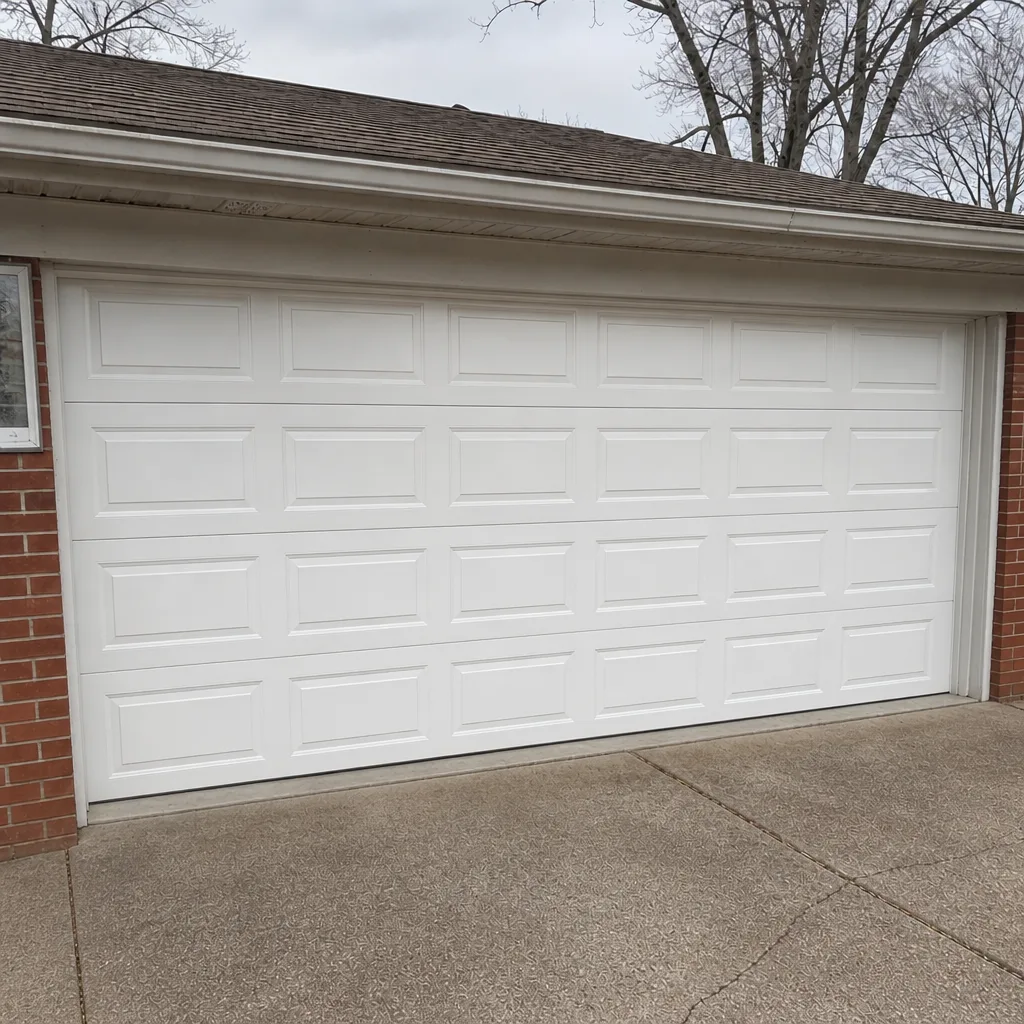 After
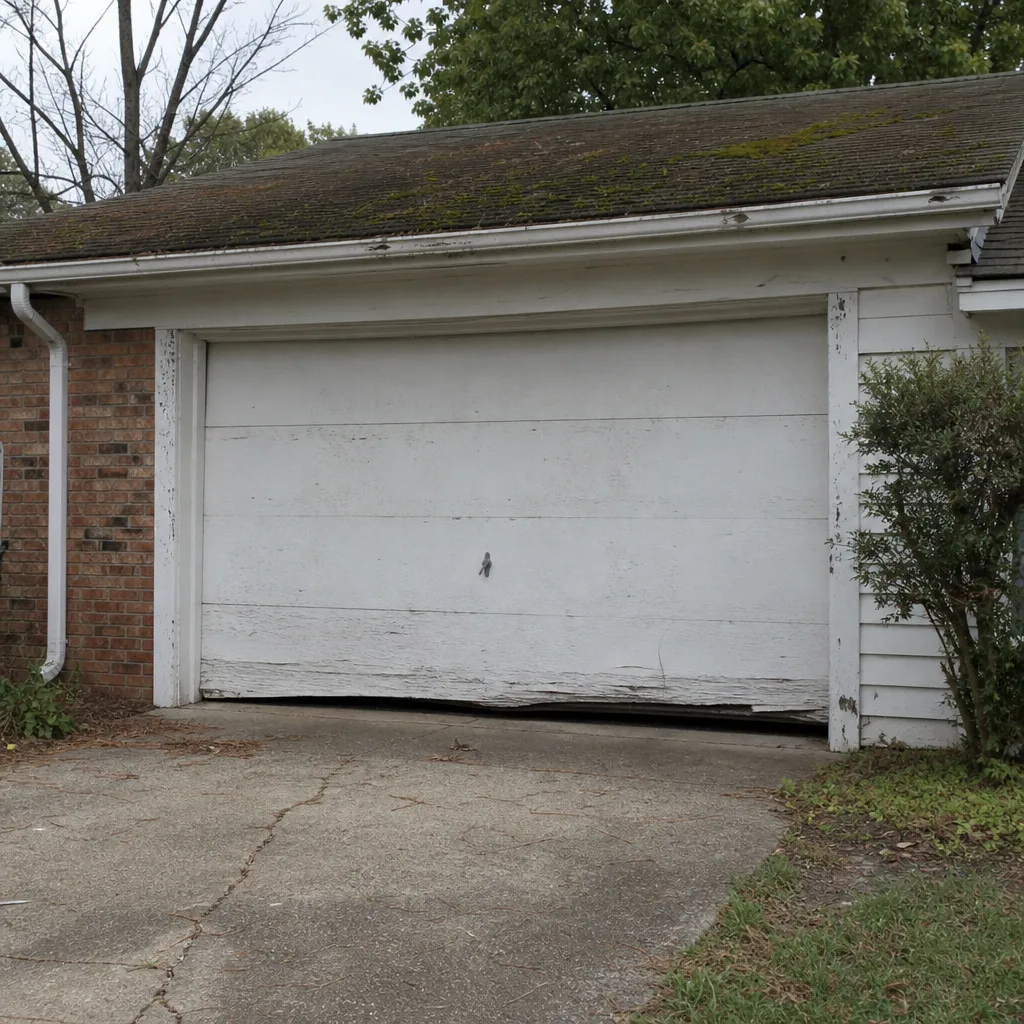 Before
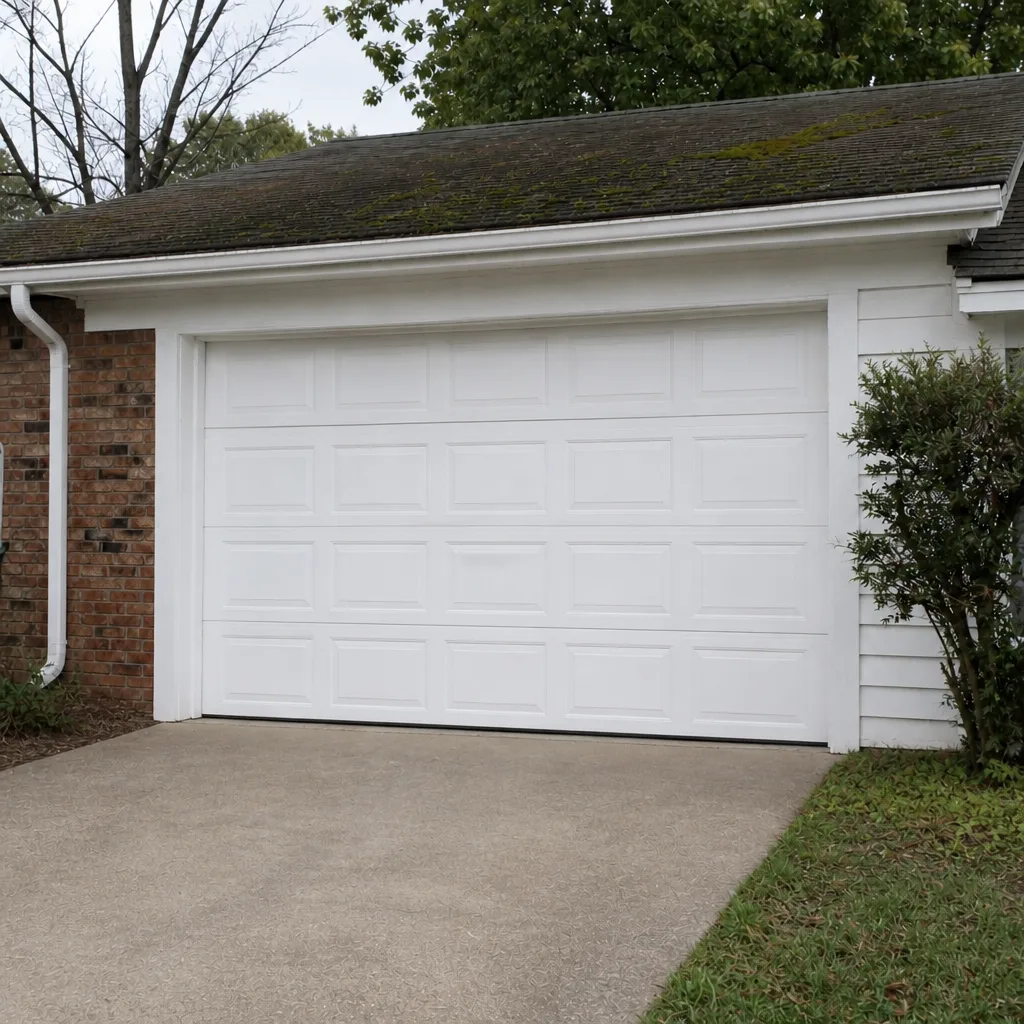 After
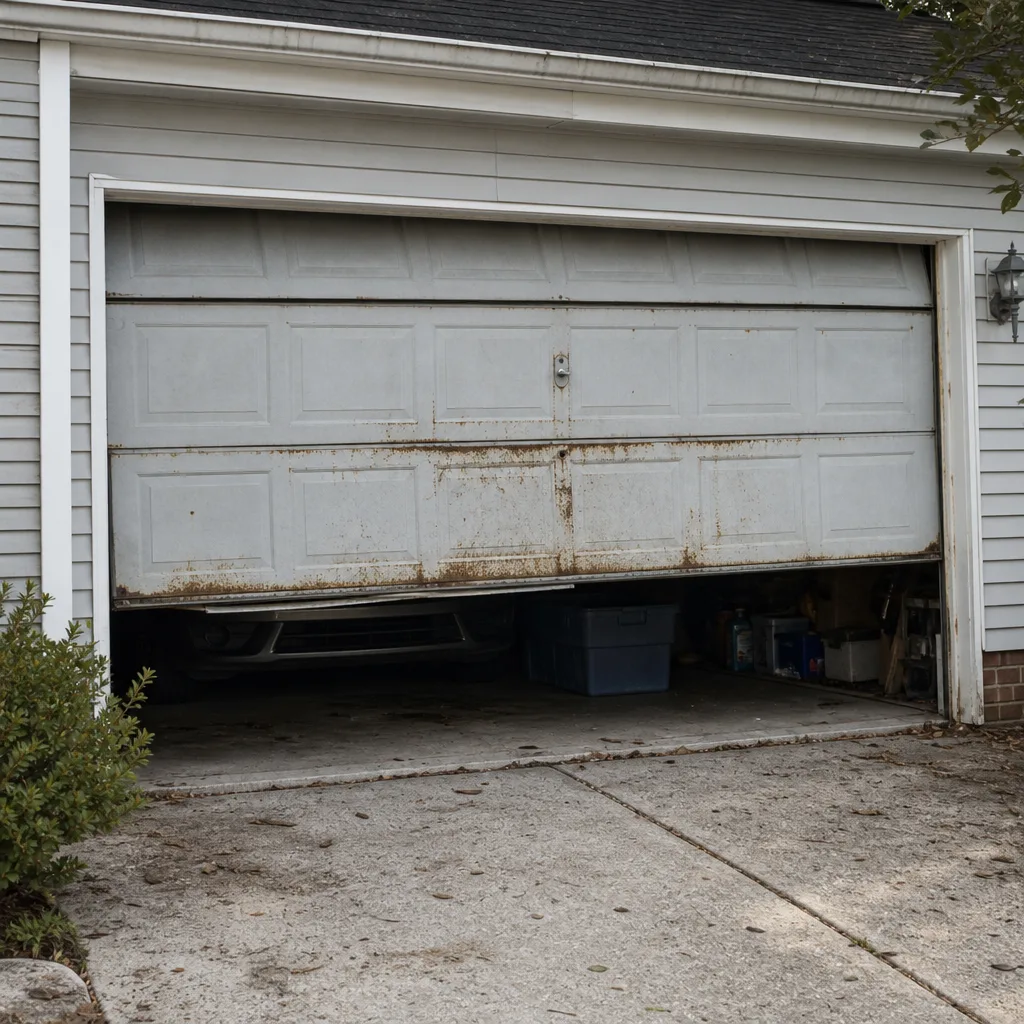 Before
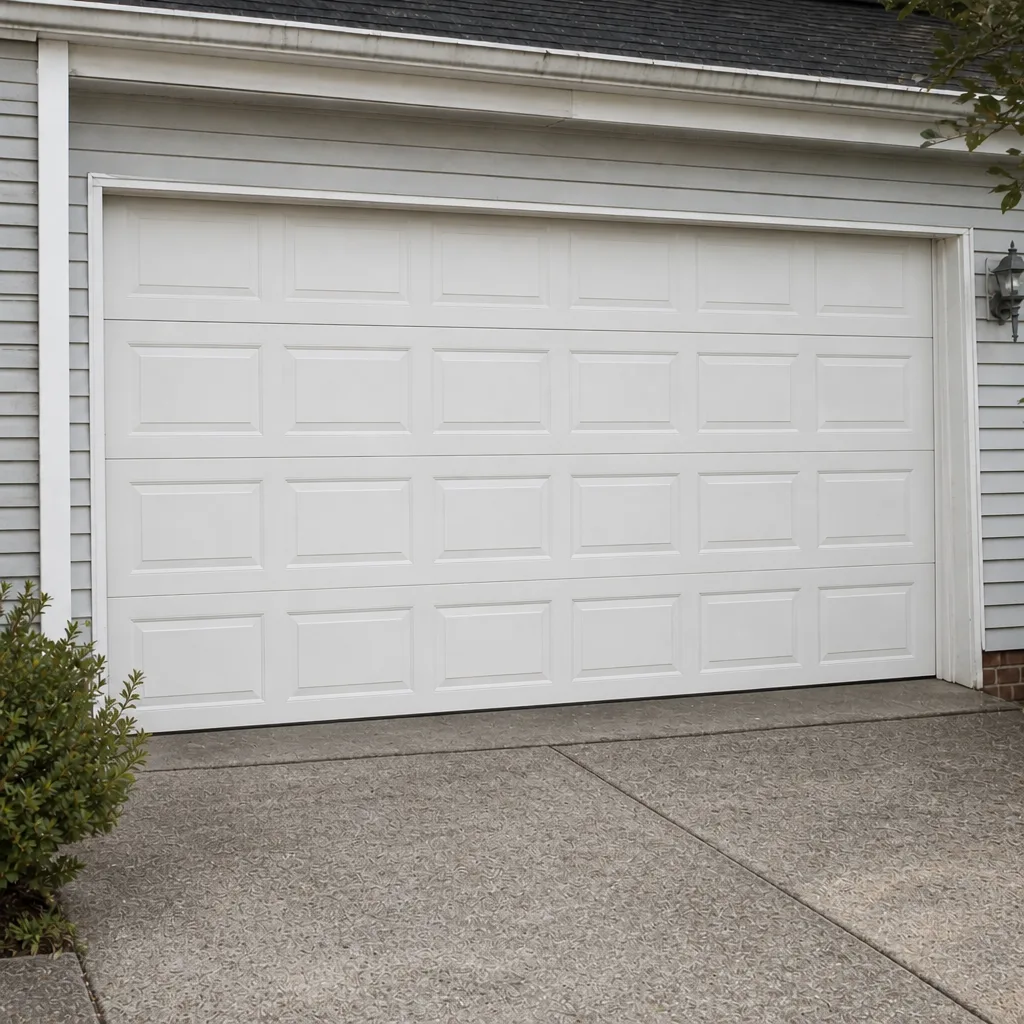 After
When to Call a Professional
Call a technician when you spot any of these: a snapped torsion or extension spring (visually obvious as a gap or a dangling coil); a door that will only open a few inches and stops; a door that won’t close or reverses immediately; an opener motor that hums but the door doesn’t move; visible cable fraying; bent track sections; or a door that feels noticeably heavier than usual. Any of these points to something under tension that needs a trained eye before it fails further. Door balance is a quick test too: disconnect the opener and lift the door halfway. If it won’t stay put, the springs are out of balance. Norfolk Garage Door Repair Co offers free estimates in Norfolk and can be reached at (877) 831-7441. Our technicians have up to 13 years of experience and work on the brand already in your garage.
Frequently Asked Questions
A single torsion spring replacement in Norfolk typically falls within the range you’ll see on a written estimate, and a matched pair usually runs about twice that. Extension springs are typically less. The written quote you agree to before work starts is the price; nothing should change after the technician sees the door. Call (877) 831-7441 for an exact quote, and estimates are free.
Yes. Emergency garage door service is a core part of what we do, not an add-on, and a door stuck open is a security issue tonight, not tomorrow. Call (877) 831-7441 and the team will book the soonest available slot; we don’t promise a fixed arrival time, but we do promise a real conversation about timing. The written quote you agree to before work starts is the price.
No. The written quote you approve before any work starts is the price. If the technician finds something during the job that changes the scope (an unexpected cable issue, a broken bracket), you’ll be told about it before any extra work happens. Call (877) 831-7441 for a free estimate.
That depends on the scope of the project and how your city code reads the work, so it’s best to check with the City of Norfolk’s building department before you order a door. As a general rule, like-for-like replacement usually follows a simpler path than structural changes, but confirming directly is the right call. Call (877) 831-7441 and we’ll tell you what we typically see and where the city’s guidance applies.
With the right material and average care, 15 to 25 years is realistic for most Norfolk homes, with springs and openers replaced at intervals inside that window. Doors with poor finishes, cheap hardware, or no annual maintenance will fail years earlier. If your door is over 15 years old and this is the second or third repair in a year, ask for a repair-versus-replacement comparison; estimates are free at (877) 831-7441.
Almost certainly. We work on the brand already in your garage across LiftMaster, Chamberlain, Genie, Clopay, Amarr, Wayne Dalton, Craftsman, and Raynor. That covers the vast majority of systems in Norfolk homes. If you aren’t sure which brand you have, a photo of the sticker on the door or the opener is usually enough. Call (877) 831-7441 for a free estimate.
The Bottom Line
Norfolk’s climate is not a detail in garage door work; it’s the whole game. The right door for a Ghent historic home is different from the right door for a newer build along the Chesapeake border, and the right spring for either is one spec’d for corrosion resistance and the actual cycle count of the door. Get the material, the spring gauge, and the opener drive type right, keep up a light annual routine, and a Norfolk garage door will do its job for decades. Get them wrong, and you’ll be replacing springs years early. Whether you’re facing a broken spring tonight or planning a new door for next month, one call covers it: (877) 831-7441 for a free estimate.
Written by the team at Norfolk Garage Door Repair Co.