Last updated November 21, 2026
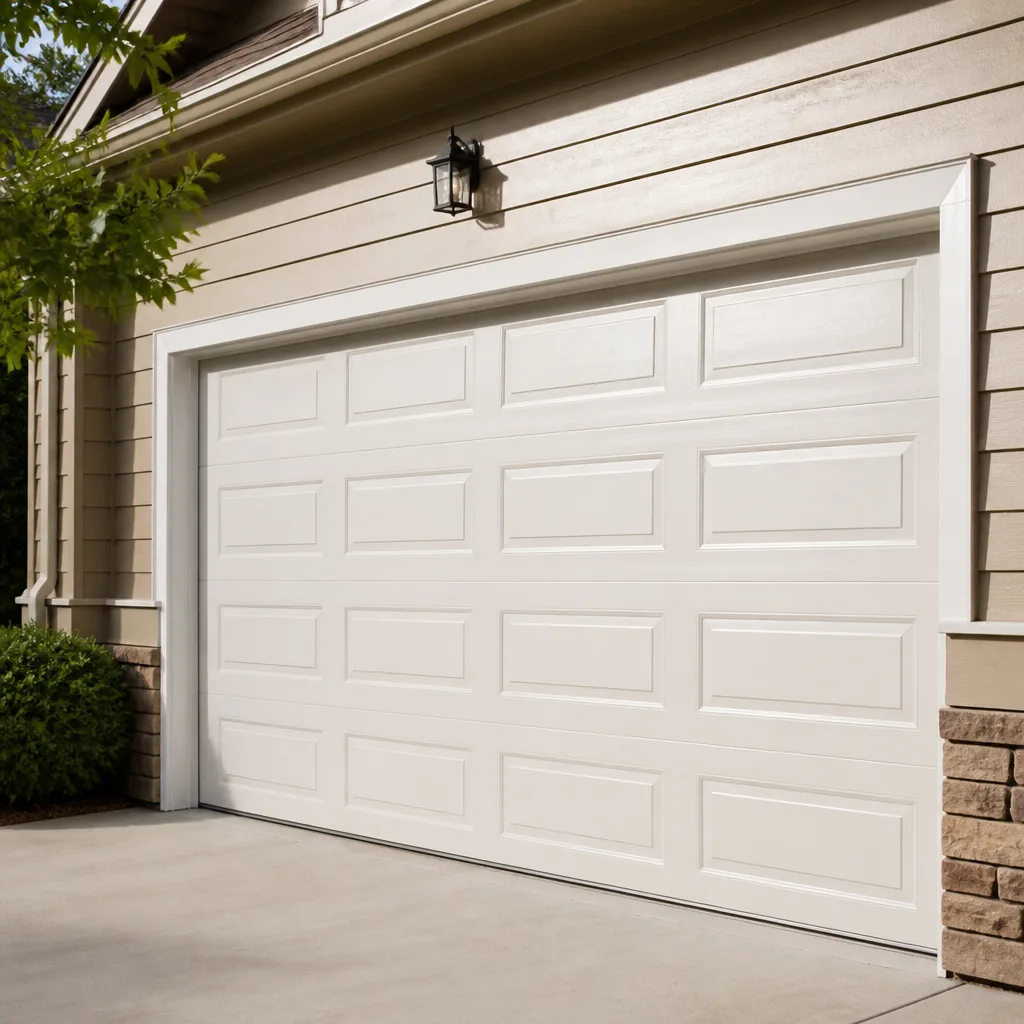 Raised-panel steel
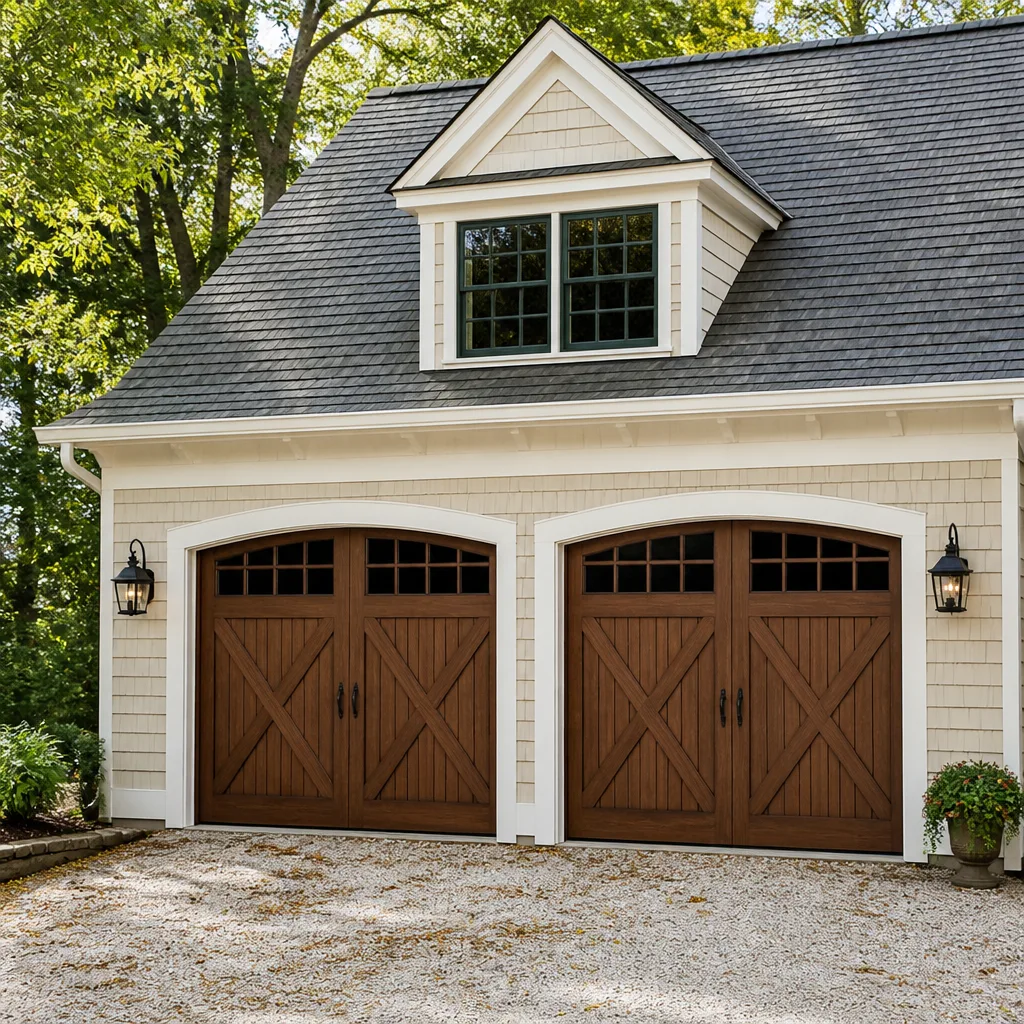 Carriage house
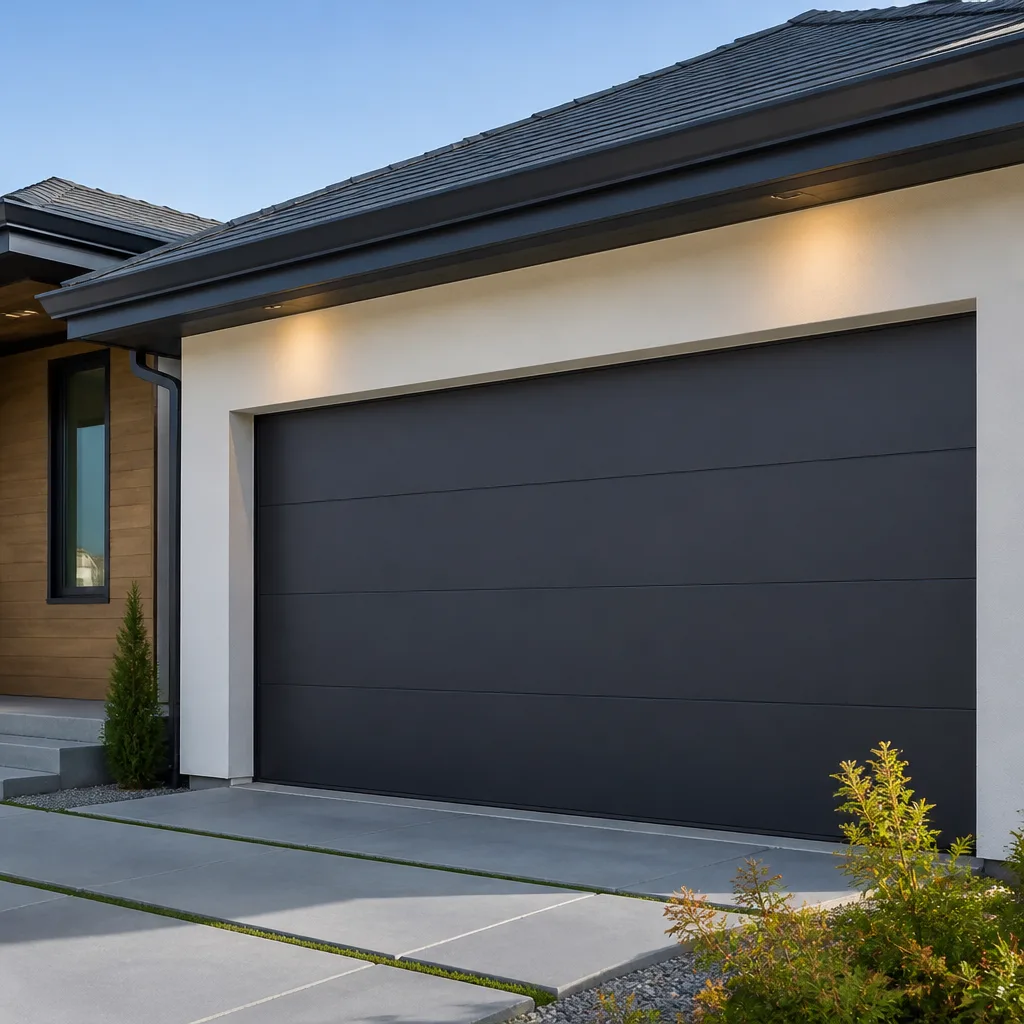 Modern flush
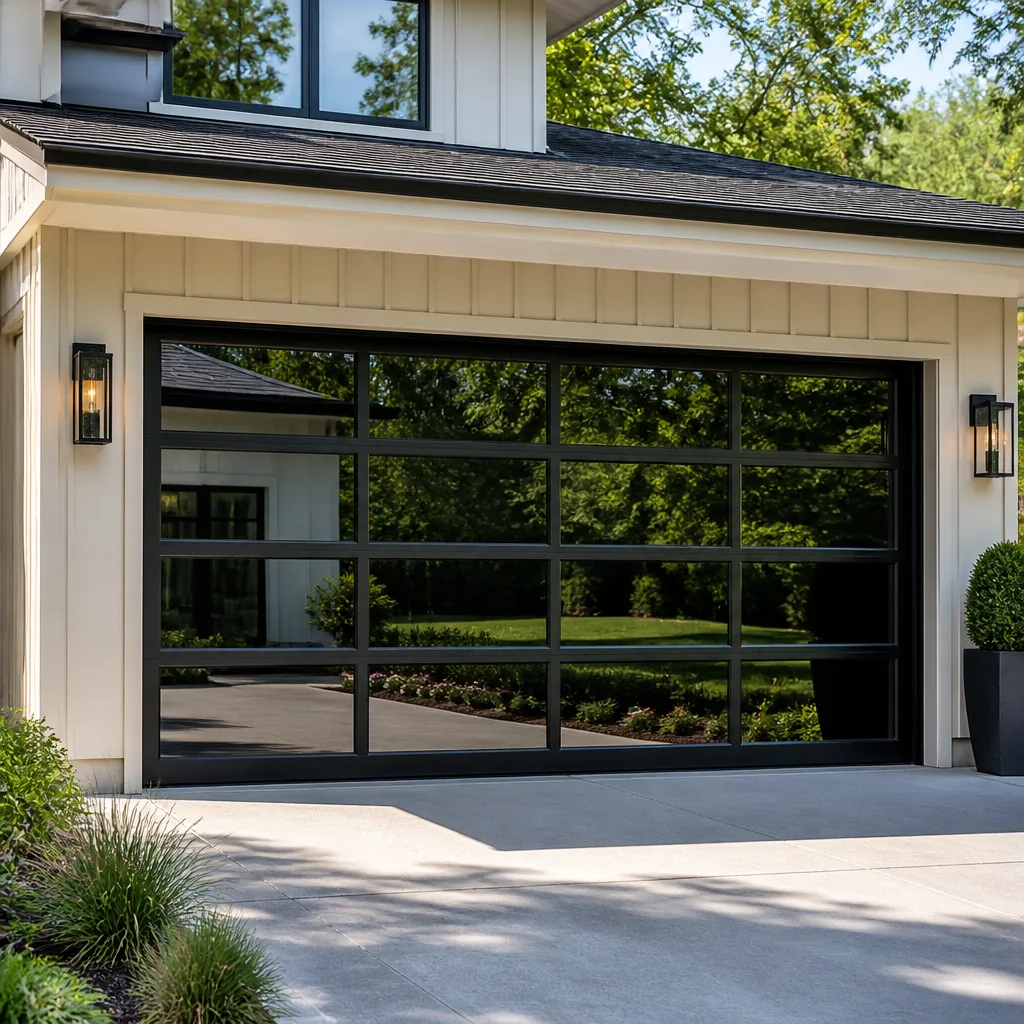 Full-view glass
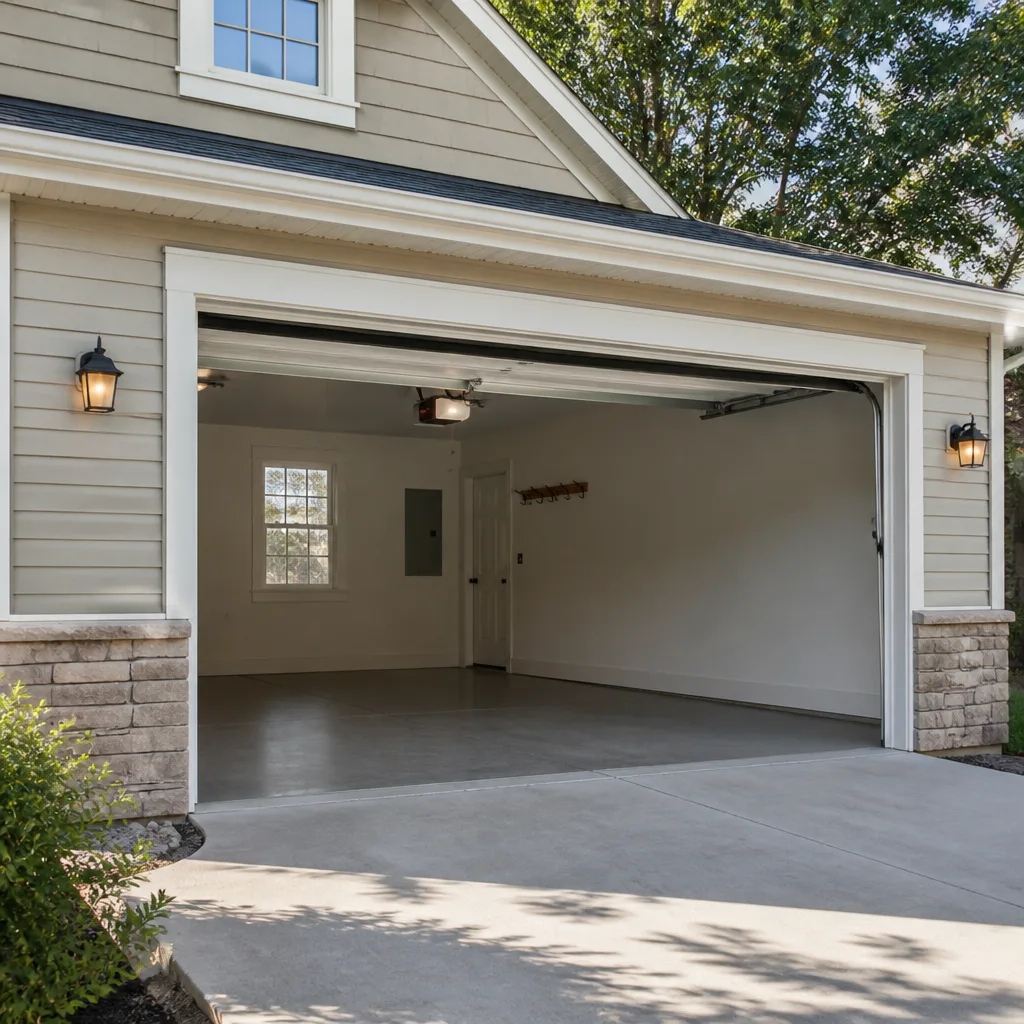 LiftMaster openers
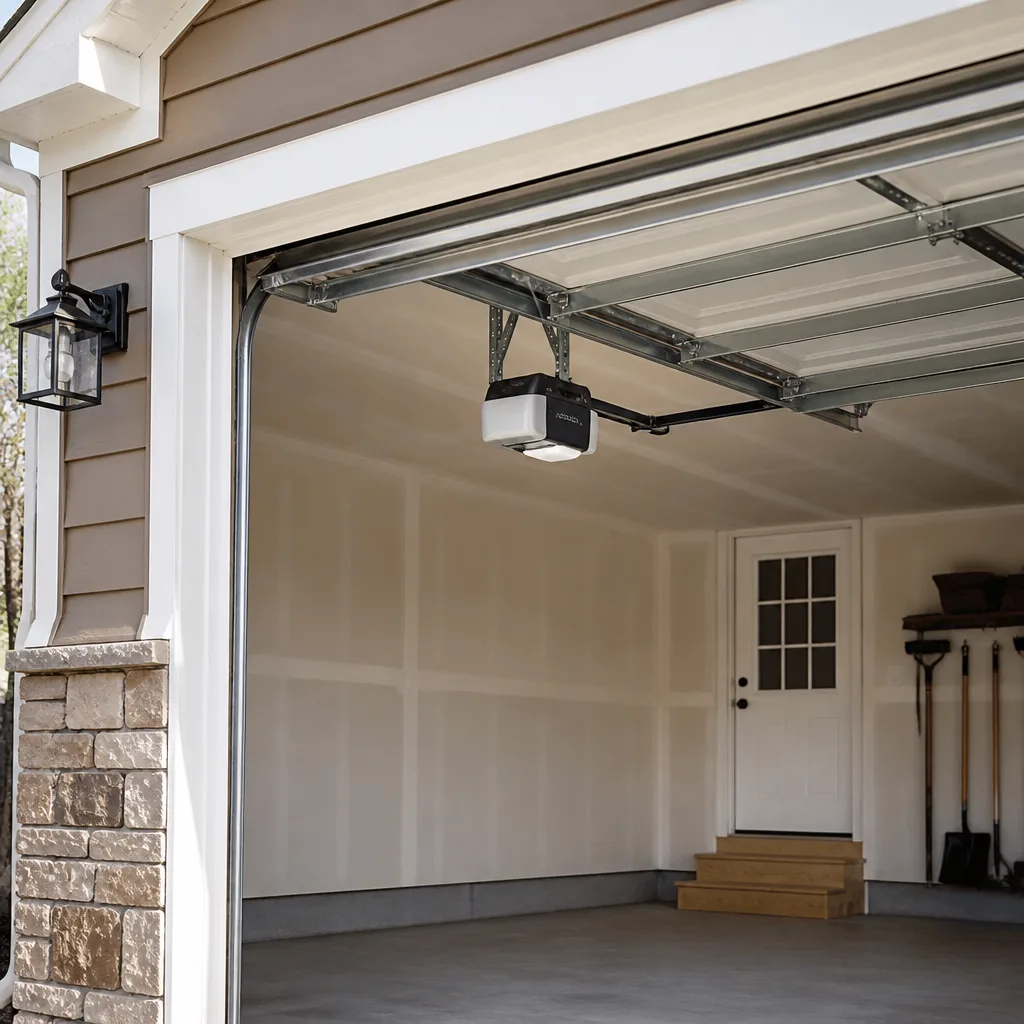 Chamberlain openers
Full 25-point door and opener safety check with every visit - springs, cables, rollers, tracks, and your LiftMaster or Chamberlain opener included
You get a price before we start. It does not change when the pro arrives.
Get your free estimateDIY vs Professional Garage Door: The Norfolk Homeowner’s Decision Guide
Most garage door advice sorts the job by skill. That’s the wrong axis. The better question is risk-to-savings ratio: how much can you actually save, weighed against what it costs you if the job goes wrong. For most door maintenance, the ratio favors you, and we’ll show you exactly how to do those tasks well. For two specific jobs, torsion spring replacement and cable drum work, the math is so lopsided that no amount of confidence makes DIY a good decision. This guide draws that line clearly for Norfolk homeowners, with the specific how-to guidance for what’s safe and the honest mechanical reasons for what isn’t.
Quick Answer
About 70% of common garage door issues are genuinely DIY-safe: weather stripping, photo-eye realignment, lubrication, and keypad programming. The other 30% – torsion spring replacement, cable work, and opener motor swaps – carry risks that outweigh any savings. In Norfolk, a professional spring repair typically runs $180 – $340, which is less than the cost of a single emergency room visit.
Styles & brands we work with
- Raised-panel steel
- Carriage house
- Modern flush
- Full-view glass
- LiftMaster openers
- Chamberlain openers
Table of Contents
- The Risk-to-Savings Framework
- The DIY-Safe List: What You Can (and Should) Do Yourself
- The Two Non-Negotiable Professional Tasks
- The False DIY Category: When It Looks Easy but Isn’t
- Cost Comparison: Real Norfolk Labor Rates
- How to Describe What You’ve Already Done
- Norfolk Climate and Housing: What Affects Your Door
- Common Mistakes to Avoid
- When to Call a Professional
The Risk-to-Savings Framework
Let’s be direct about the physics, because that’s what this comes down to. A torsion spring on a standard residential door holds enough stored energy to cause hand amputations, broken jaws, and worse. A 200 lb. door spring wound to operating tension releases its full energy in milliseconds if it slips. That’s not an attorney writing a warning label. It’s how the mechanism works. The spring is literally a wound energy storage device, and when you’re adjusting it, you’re working inside that stored energy.
Compare that to a weather strip replacement. Worst case? You install it crooked and redo it. The risk-to-savings ratio is heavily in your favor: the job takes an afternoon, the materials cost under $40, and the failure mode is cosmetic.
That contrast is the whole framework. Every garage door task falls somewhere on this spectrum:
- Low stakes, high savings: DIY makes sense. Weather stripping, lubrication, photo-eye alignment, keypad programming.
- High stakes, deceptive appearance: The opener motor swap that looks simple but isn’t. More on this below.
- Exceptional risk, non-negotiable: Torsion spring replacement and cable drum work. The savings never justify the exposure, regardless of how many YouTube videos you’ve watched.
In our experience working on Norfolk doors, the homeowners who get hurt or cause expensive secondary damage are almost never the ones who ignored the warning. They’re the ones who watched a tutorial, felt confident, and didn’t realize the tutorial was showing a different spring system than the one in their garage.
The DIY-Safe List: What You Can (and Should) Do Yourself
These are the tasks where your effort genuinely pays off. We’ll walk through each one because specific guidance is what makes them safe, not vague reassurance.
Weather Stripping Replacement
The rubber seal along the bottom of your door and the vinyl strips on the sides and top wear out, let in drafts, and start flapping in Norfolk wind. This is a straightforward DIY job with real benefits for your energy bill and comfort.
- Open the door enough to access the bottom seal, or leave it closed if you’re replacing side and top weather stripping.
- Pull the old strip out of its track. Bottom seals usually slide out of a T-slot; side and top strips may be tacked or nailed.
- Clean the track completely. Old adhesive and grit prevent the new strip from seating properly.
- Slide the new bottom seal in from one end, or press the side and top strips into place and secure the ends.
- Test the door’s full travel. A too-thick seal can bind, and you’ll need to adjust the seal or the door’s travel limits (which brings us to the false DIY section).
Photo-Eye Realignment
The two small sensors at the bottom of your door tracks (one sends an infrared beam, the other receives it) are the most common cause of a door that reverses immediately after starting to close. They often get bumped by a trash can or drift out of alignment.
- Check the LED on each sensor. A solid light means aligned; a blinking or off light means it’s misaligned or not receiving power.
- Loosen the wing nut or screw holding the sensor and adjust it so it points directly at the opposite eye.
- Tighten, then test by pressing the wall button and watching the door travel. If it still reverses, check for cobwebs or dirt on the lens.
Lubricating Hinges and Rollers
Most garage door noise comes from dry hinges and rollers. A tube of white lithium grease and ten minutes will quiet things noticeably.
- Apply a light coat to each hinge pivot point.
- Put a few drops on each roller bearing (not the roller surface; the bearing inside).
- Wipe away excess so it doesn’t attract grit.
- Skip the tracks themselves; lubricant there collects dirt and causes binding.
Keypad Programming
If you have a LiftMaster, Chamberlain, Genie, or Craftsman opener, reprogramming the keypad is a fifteen-minute job with the manual open. The process varies by brand (most involve pressing a “learn” button on the motor housing and entering a code on the keypad), but it doesn’t involve opening the motor or touching any high-tension components. Check your manual for the exact sequence, or call us if you’re stuck.
The Two Non-Negotiable Professional Tasks
We’re not being cautious here. These two jobs are on a different risk tier than everything else in this guide.
Torsion Spring Replacement
A torsion spring is a wound steel rod mounted above your door. It counterbalances the door’s weight so you can lift 200 lbs with one hand. When it’s wound to operating tension, it stores a serious amount of energy. Replacing one requires winding the new spring to precise tension using two steel rods – and those rods can slip. When a winding rod slips, you’re holding a live spring with nothing absorbing the release. This is why we treat garage door repair as a specialist’s job, and spring work more than any other. It’s not about whether you’re mechanically inclined. It’s about whether you want to be within arm’s reach of a stored-energy device that can injure you in a fraction of a second.
Extension springs (used on some older doors) are a different design but similar risk profile: they’re under constant tension along the track and can whip loose if the containment cable fails.
Cable Drum Work
The cables that connect your door to the spring system run under tension along the sides of the door. The cable drums at the top hold the cable in place. If you touch a cable under tension and it slips, the same stored energy releases. Cables can fray, snap, and whip – and a snapped cable under load is a genuine hazard. Cable replacement also requires rebalancing the door’s spring tension afterward, which brings you back to the same problem as the spring itself.
If your cables are frayed, one side is visibly slack, or the door is hanging crooked, don’t try to adjust the cable. Call us for a free estimate.
The False DIY Category: When It Looks Easy but Isn’t
This is the sneaky section. Some garage door repairs look within reach of a confident homeowner but have downstream consequences that cost more than the professional repair would have.
The big one: opener motor replacement. Swapping an opener motor looks simple. Bolt it up, wire it, program the remotes. The problem is that most homeowners skip the travel limit calibration – the adjustment that tells the opener when the door is fully open and fully closed. Without proper calibration, the opener keeps pushing the door against the stops, stressing the springs, cables, panels, and the opener gear itself. That’s the kind of damage that turns a $250 motor swap into a $400 repair plus new springs. In our experience, this is the most common DIY-gone-wrong scenario we see in Norfolk garages.
Opener belt and chain replacement has a similar problem: if the belt tension is off, the opener strains the whole door system. And on newer smart-home openers (LiftMaster, Chamberlain, Genie, Craftsman), the motor replacement often involves reprogramming the Wi-Fi and app connection, which adds another failure point.
If you’ve already done the swap and the door is slamming or reversing, that’s a sign the travel limits are off. Call us for a tune-up before the springs pay for it. We work on all of the major brand systems, including LiftMaster, Chamberlain, Genie, and Craftsman, so no brand gets turned away.
Cost Comparison: Real Norfolk Labor Rates
Here’s how the actual savings break down for the DIY-safe tasks versus the professional ones. These are typical estimates for the Norfolk market; your written quote sets the final price.
- Weather stripping replacement: DIY $30 – $60 in materials, 1-2 hours. Professional: $120 – $180 full door.
- Photo-eye realignment: DIY free, 10 minutes. Professional: $75 – $125 service call.
- Lubrication: DIY $10 for grease, 15 minutes. Professional: often bundled into a tune-up.
- Keypad programming: DIY free, 15-20 minutes. Professional: $75 – $120 service call.
- Opener motor swap: DIY $200 – $300 in parts plus recalibration risk. Professional: $300 – $500 installed and calibrated.
- Torsion spring replacement (one spring): Professional only: $180 – $340 including labor. A matched pair costs about twice that, since springs are usually replaced together.
- Cable replacement: Professional only: $120 – $200 per cable, plus rebalancing.
Look at the numbers honestly. For weather stripping, you save $80 – $120 by doing it yourself. For an opener, the pro cost is roughly $100 more than DIY but comes with calibration that protects your springs. For a torsion spring, there’s no DIY price because the alternative isn’t a cheaper repair – it’s a different category of risk entirely. If you’re unsure which category your job falls into, call us for Norfolk Garage Door Repair Co and we’ll talk through it before anyone gets dispatched.
How to Describe What You’ve Already Done
If you’ve tried some DIY steps and the door still isn’t right, you can save time and money by giving the technician a clear picture of what you’ve done. The more accurate your description, the faster the diagnosis, and the less you pay for a technician to repeat work you’ve already completed.
- State the symptom clearly. “The door reverses halfway down” is more useful than “it’s not working.” Note whether it reverses on the way up, on the way down, or both.
- List what you’ve already tried. “I realigned the photo eyes and lubricated the hinges” tells us to look elsewhere. “I swapped the opener motor but haven’t adjusted the travel limits” tells us exactly where to start.
- Mention the brand and model of opener and door. If the opener is a LiftMaster or a Craftsman, tell us. It changes which diagnostics we run.
- Note any unusual noises. A grinding sound from above the door means something different from a rattle at the track.
- Say whether the door has ever been professionally serviced. A door that’s been sitting without tension adjustment for years behaves differently from one that was tuned recently.
- Take a photo of the spring and cables before calling. A clear phone photo saves a house call if the problem is obvious.
If your door has already stopped working and you’re locked in or out, call us for emergency service. When your door won’t move, we will, from 7am to 7pm Sunday through Friday; we’re closed Saturday.
Norfolk Climate and Housing: What Affects Your Door
Garage doors in Norfolk age differently than doors in drier or cooler climates. The summers here run hot and humid, and that humidity does specific things to the materials in a garage door assembly.
Wood and steel doors warp and swell in the summer heat, which can throw off the door’s balance and put extra strain on the springs and opener. Rubber weather seals harden and crack faster here than they would in a drier market, which is why weather stripping tends to need replacement more often on Norfolk doors. The humidity also speeds up rust on steel hardware, so hinge and roller lubrication matters more than the general advice suggests.
Older Norfolk homes (especially in neighborhoods like Ghent, Larchmont, and Wards Corner) often have garages built to accommodate smaller cars, meaning a lot of doors here are narrower than modern standards. That doesn’t change the repair process, but it does mean parts availability sometimes requires a specific order rather than a universal fit. If your door is original to a mid-century Norfolk home, mention it when you call so we can plan for the correct parts.
For installation projects, our garage door installation team walks through door selection with the climate in mind – insulated panels and rust-resistant hardware make a measurable difference for a Norfolk door. We recommend a free measure and a written quote before committing to anything.
Common Mistakes to Avoid
- Assuming a stuck door means a dead opener. Most stuck doors are a spring, cable, or track issue, not an opener problem. Diagnosing the opener first costs you time and doesn’t fix the door.
- Trying to adjust the spring tension by “feel.” There’s no reliable way to adjust a torsion spring by instinct. The correct tension is set against a specific number and checked with a scale, and getting it wrong either leaves the door too heavy to lift or overstrains the opener.
- Ignoring a bent track. A small bend in the track eventually derails the roller, which then damages the door panel. Small bends are cheap to fix; damaged panels aren’t.
- Running the door after a cable snaps. A door with a snapped cable is hanging on one side. Running the opener on it warps the door and can cost a panel replacement.
- Buying a universal remote without checking the opener brand. In Norfolk, older garages often have openers of different vintages. Check whether the opener is a Chamberlain, a LiftMaster, a Genie, or a Craftsman before ordering a replacement remote.
- Painting over a rusted hinge. Painting hides rust but doesn’t stop it. The hinge continues to fail, and you’ve made the eventual replacement harder.
- Attempting a spring repair on a door you’ve never seen service. An older door with unknown spring history can be more dangerous than a newer one, because the spring may already be compromised. Don’t test it.
When to Call a Professional
Call us when any of the following are true: you’ve got a snapped, stretched, or unwinding spring; a frayed or slack cable; a door that reverses without an obvious photo-eye problem; a bent track that’s clearly affecting travel; an opener that’s been swapped but not calibrated; a door that’s hard to lift by hand; or any situation where you’re locked in or out. Call us when the door won’t move and you need it to. Norfolk Garage Door Repair Co offers free estimates in Norfolk; call (877) 831-7441. The written estimate is given before any work starts, so there are no surprises on the invoice.
See the difference
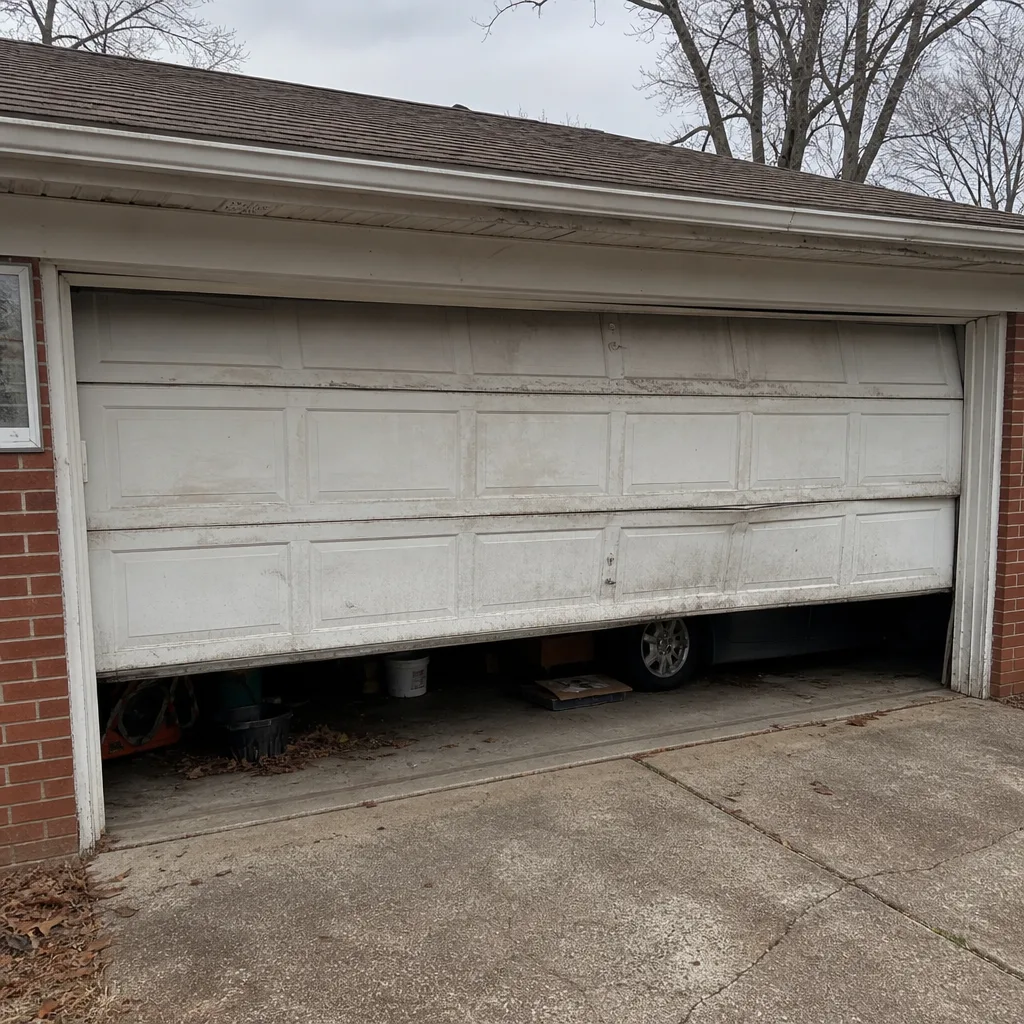 Before
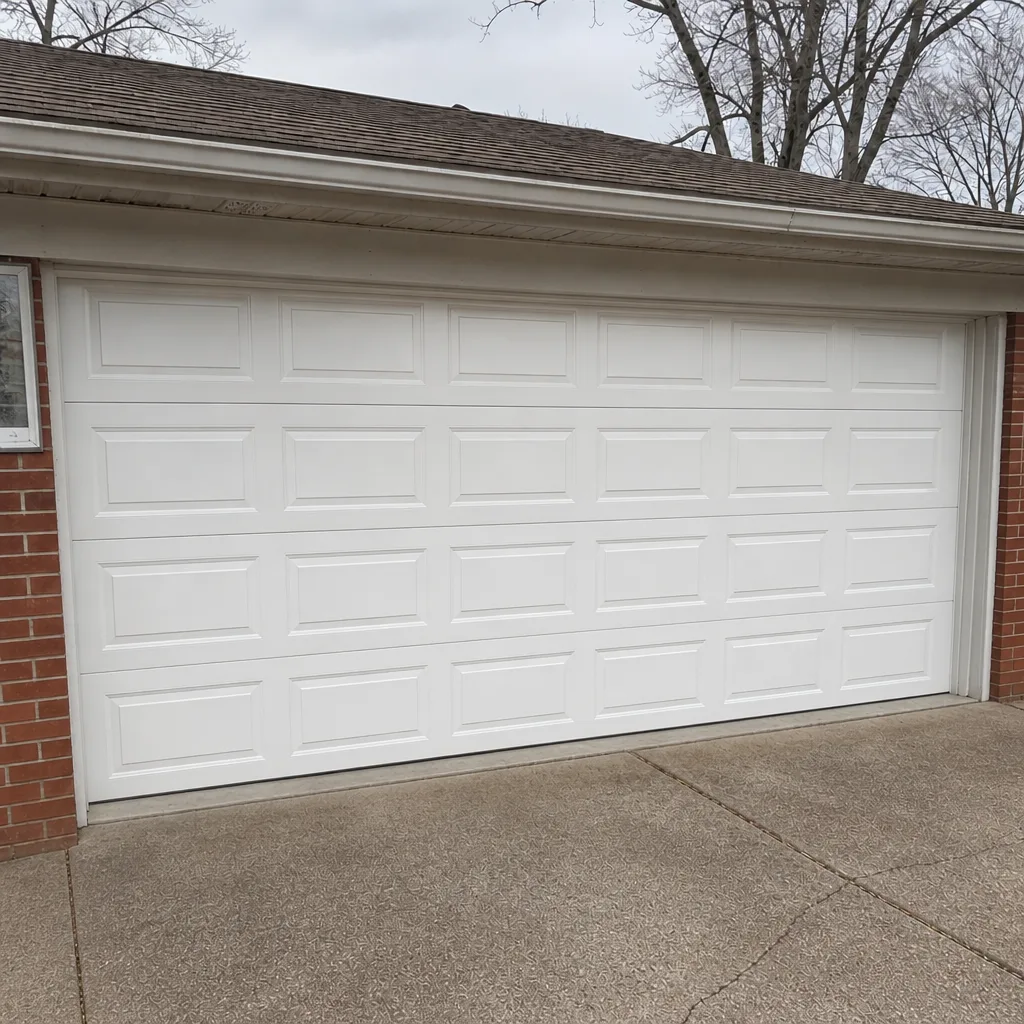 After
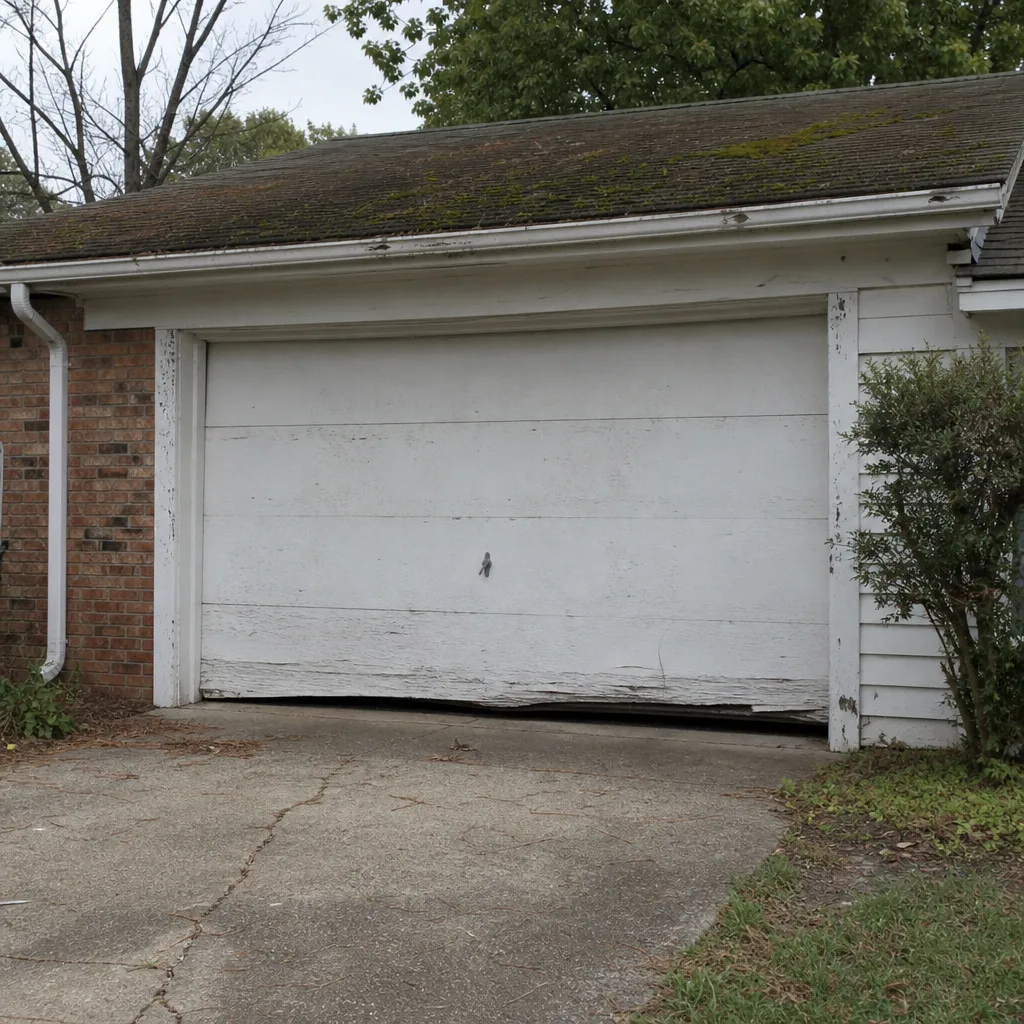 Before
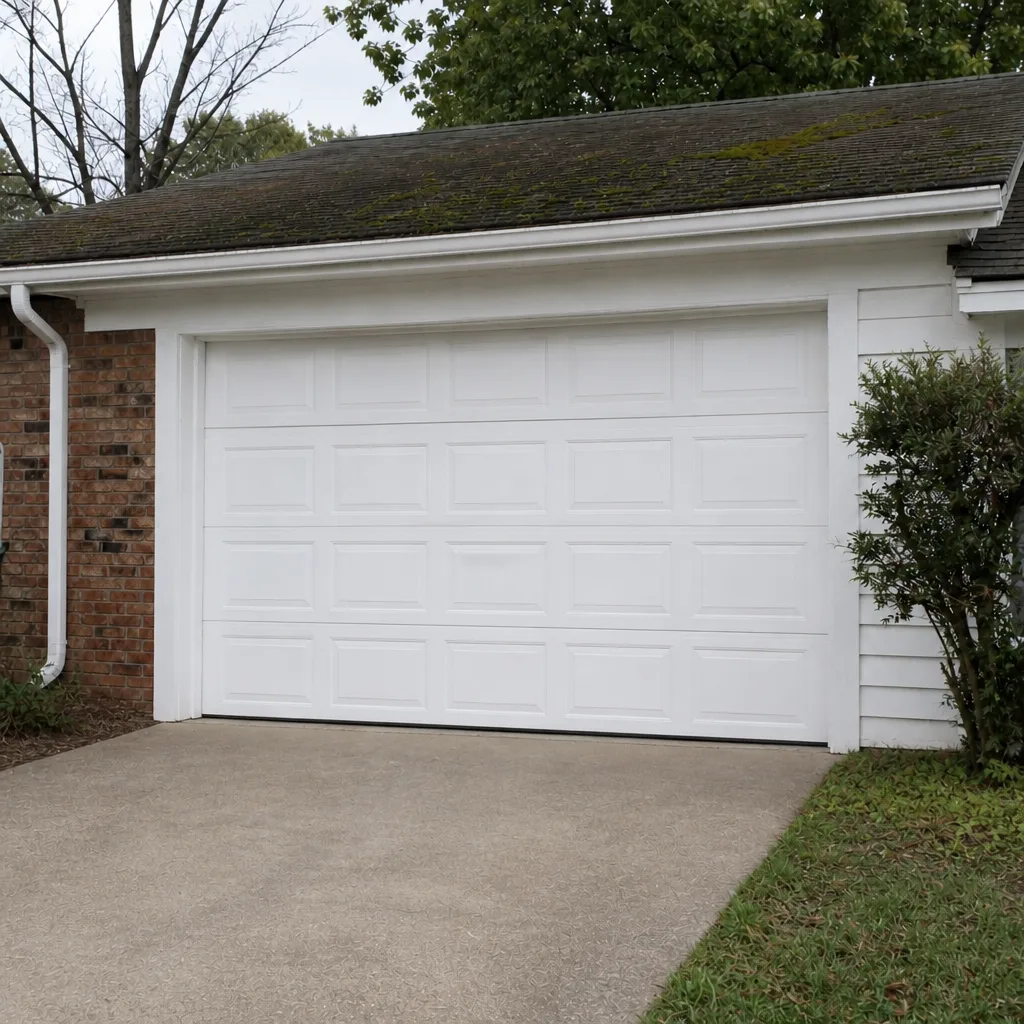 After
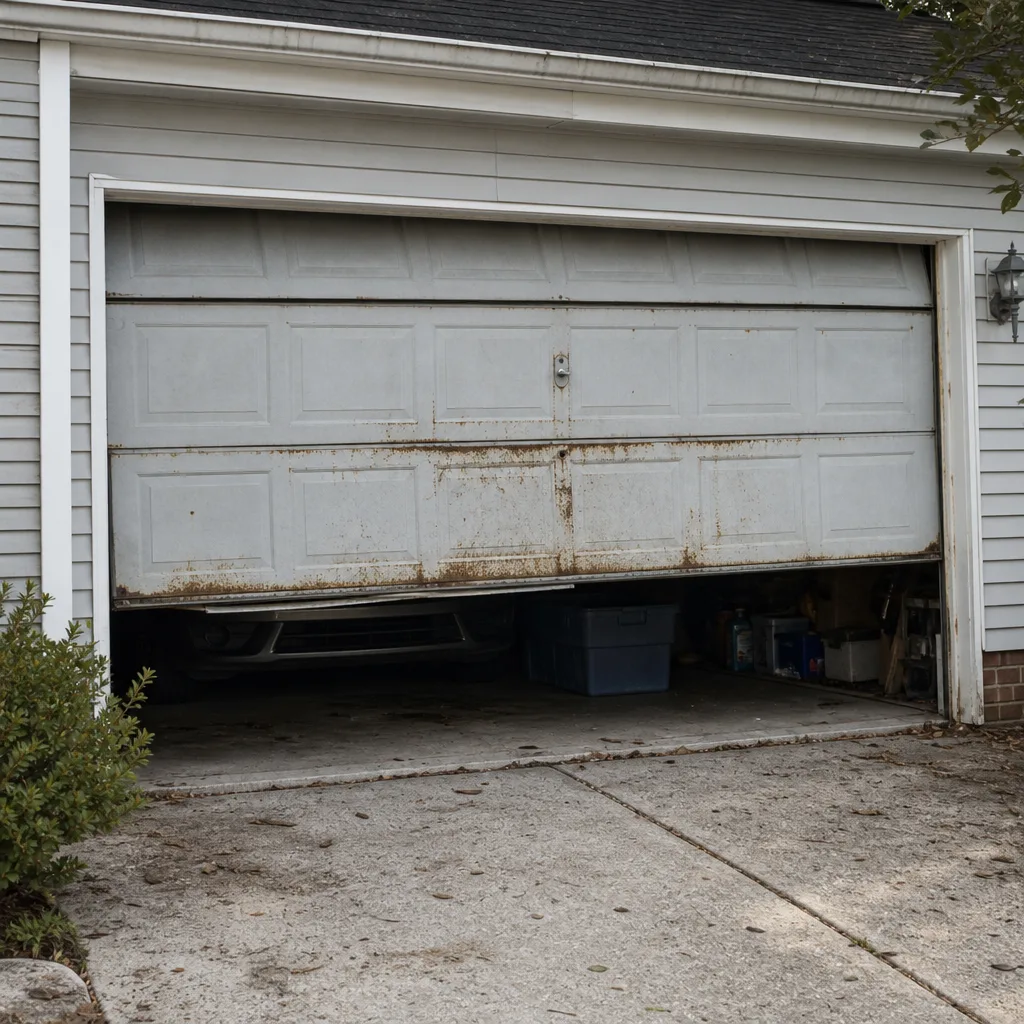 Before
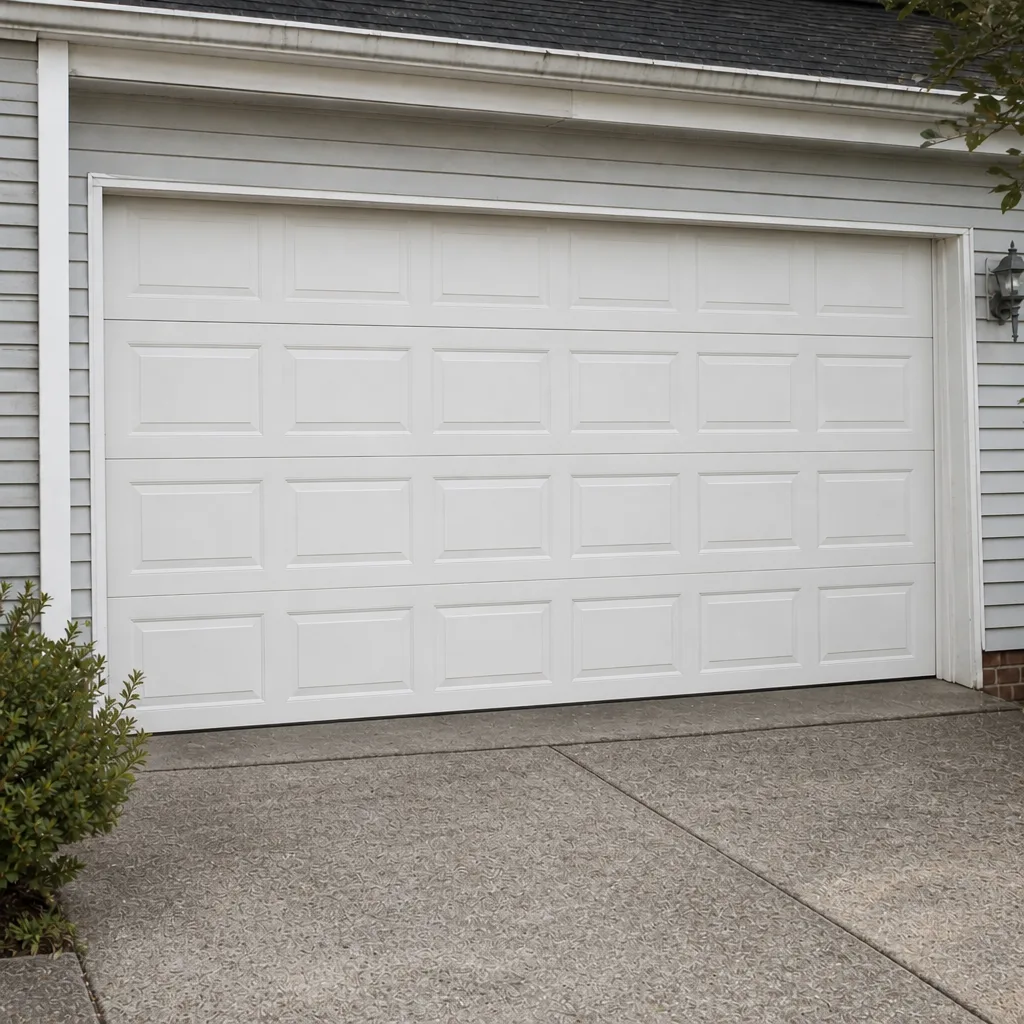 After
Frequently Asked Questions
No. Torsion and extension springs are under stored tension capable of causing serious injury, and there’s no reliable way to wind a new spring to the correct tension without specialty winding rods and training. Call (877) 831-7441 for a free estimate; we handle spring repair as a dedicated service.
Typically $180 – $340 for a single spring including labor, and about twice that for a matched pair, which is usually replaced together. Prices are estimates; the written quote sets the final price. Call (877) 831-7441 for an exact quote; estimates are free.
We run emergency service from 7am to 7pm Sunday through Friday, so a stuck door usually gets a same-day slot if you call early enough. We’re closed Saturday. Call (877) 831-7441 and we’ll tell you the soonest opening.
No. We quote a written estimate before any work begins, and that written estimate sets the price. If we find something unexpected, we’ll show you before we touch it, so you never get a surprise invoice. Call (877) 831-7441 to start.
The local pro we connect you with is licensed and insured as their state requires, and our technicians have up to 13 years of experience. We handle the major systems like LiftMaster, Chamberlain, Genie, Craftsman, and Wayne Dalton. Call (877) 831-7441 with any questions.
Weather stripping replacement, photo-eye realignment, lubrication, and keypad programming. Skip anything involving springs, cables, or opener motor calibration. If you’re unsure which category yours falls into, call (877) 831-7441 and we’ll tell you honestly.
No. We’re closed Saturday and open Sunday through Friday, 7am to 7pm. Call (877) 831-7441 during those hours and we’ll book you in.
Yes. Our technicians are factory-familiar with Raynor and Wayne Dalton systems, along with LiftMaster, Chamberlain, Genie, Clopay, Amarr, and Craftsman, so we work on the exact system already in your garage. Call (877) 831-7441 to schedule.
If the opener runs but the door doesn’t move, or if the door reverses without a photo-eye issue, it’s often a repair rather than a replacement. If the motor is dead, or the opener is more than about 15 years old and has had repeated failures, replacement may be more cost-effective. Our garage door opener repair team diagnoses both during a single visit.
Often yes, especially if the door is original to a mid-century Norfolk home with warped panels and failing springs. A new insulated door reduces energy loss and needs fewer repairs. Our garage door installation team can walk through options and provide a free written quote with no pressure to commit.
The Bottom Line
DIY makes sense for the jobs where the failure mode is cosmetic: weather stripping, photo-eye alignment, lubrication, and keypad programming. It doesn’t make sense for jobs where the failure mode is injury, structural damage, or a much larger repair bill: torsion spring replacement, cable work, and any opener work that requires travel limit calibration. The savings on the safe stuff is real and worth having. The exposure on the unsafe stuff is not worth trading away. If you’re somewhere in between, call us and we’ll give you a straight answer about which side of the line your job falls on. Norfolk Garage Door Repair Co works on the brand already in your garage, whether that’s a LiftMaster opener, a Clopay door, or a system you’ve never quite identified.
Contact
Call (877) 831-7441 for a free estimate. We’ll tell you what the job involves, what it typically runs in the Norfolk market, and we’ll schedule your visit from 7am to 7pm Sunday through Friday; we’re closed Saturday. From a stuck door to a full new installation, one call covers it.
Written by the team at Norfolk Garage Door Repair Co.