Last updated November 21, 2026
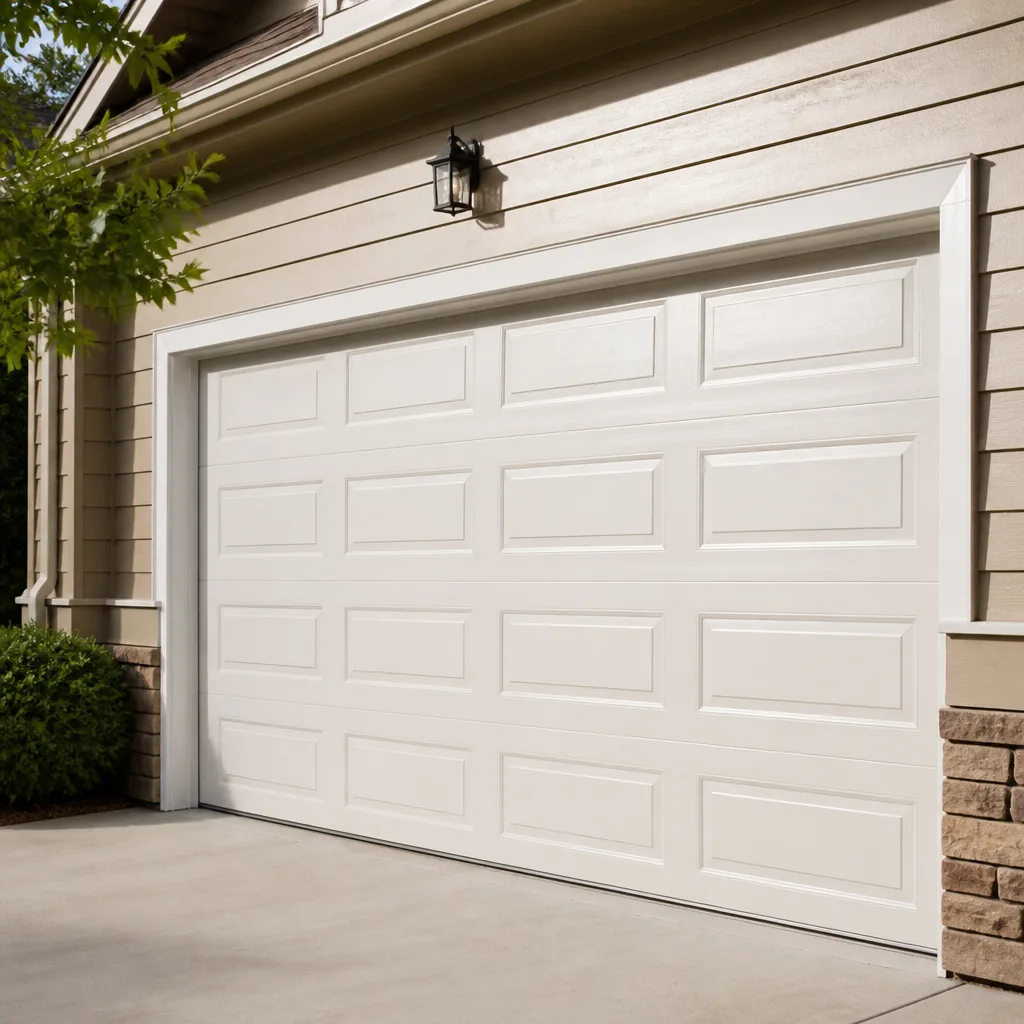 Raised-panel steel
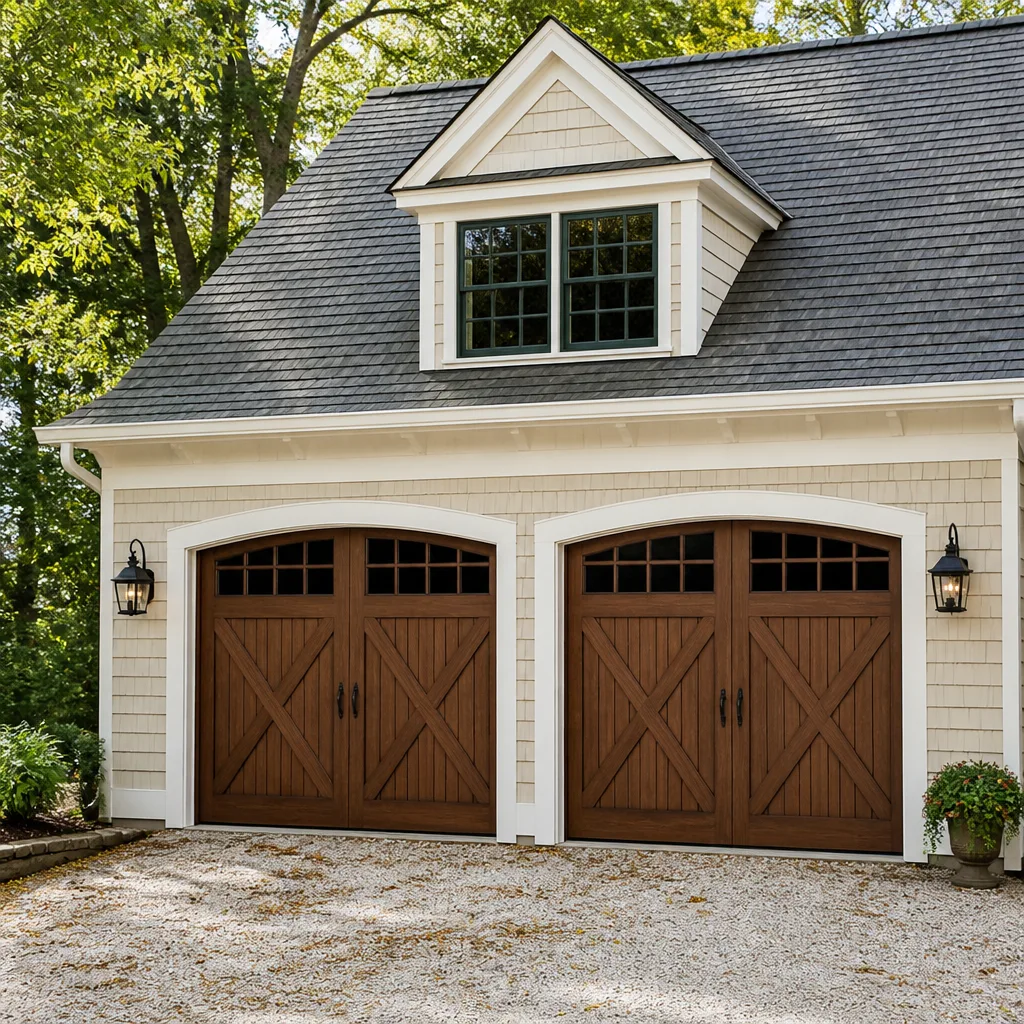 Carriage house
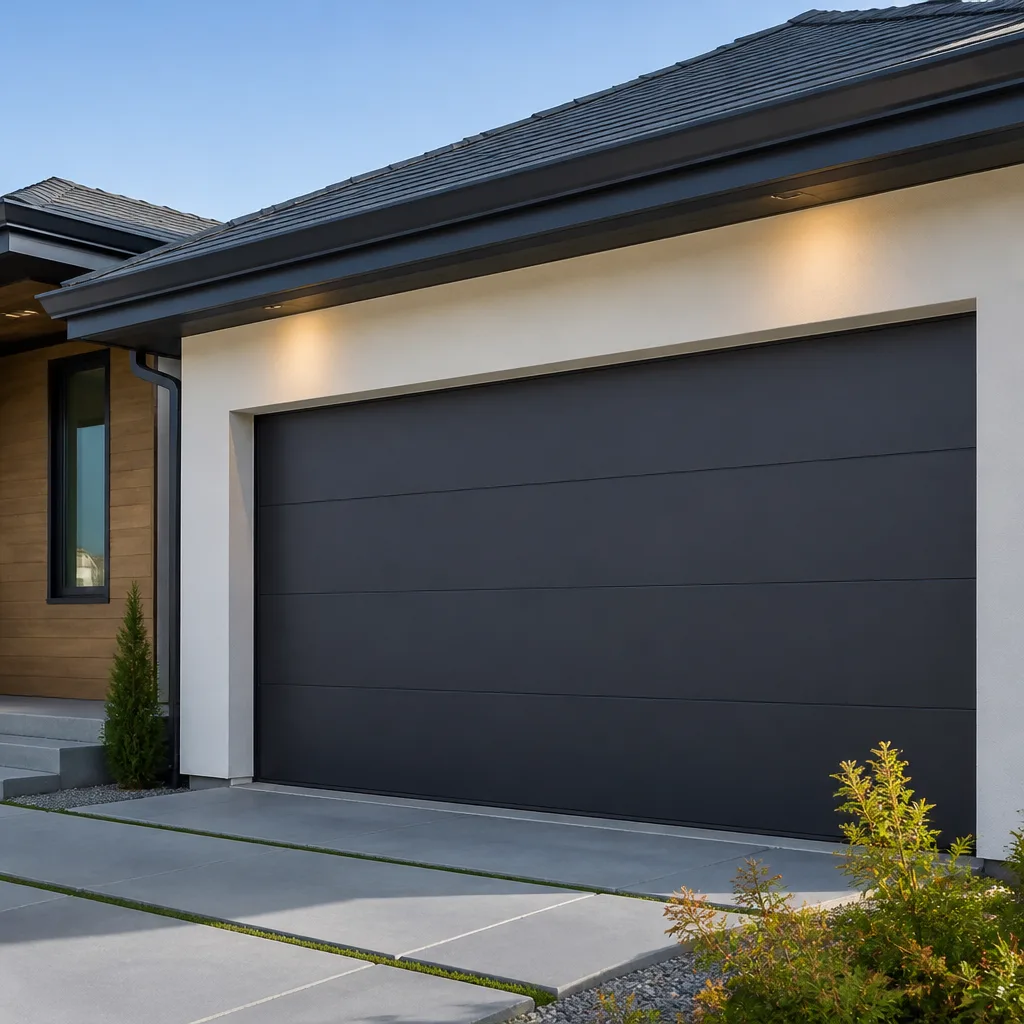 Modern flush
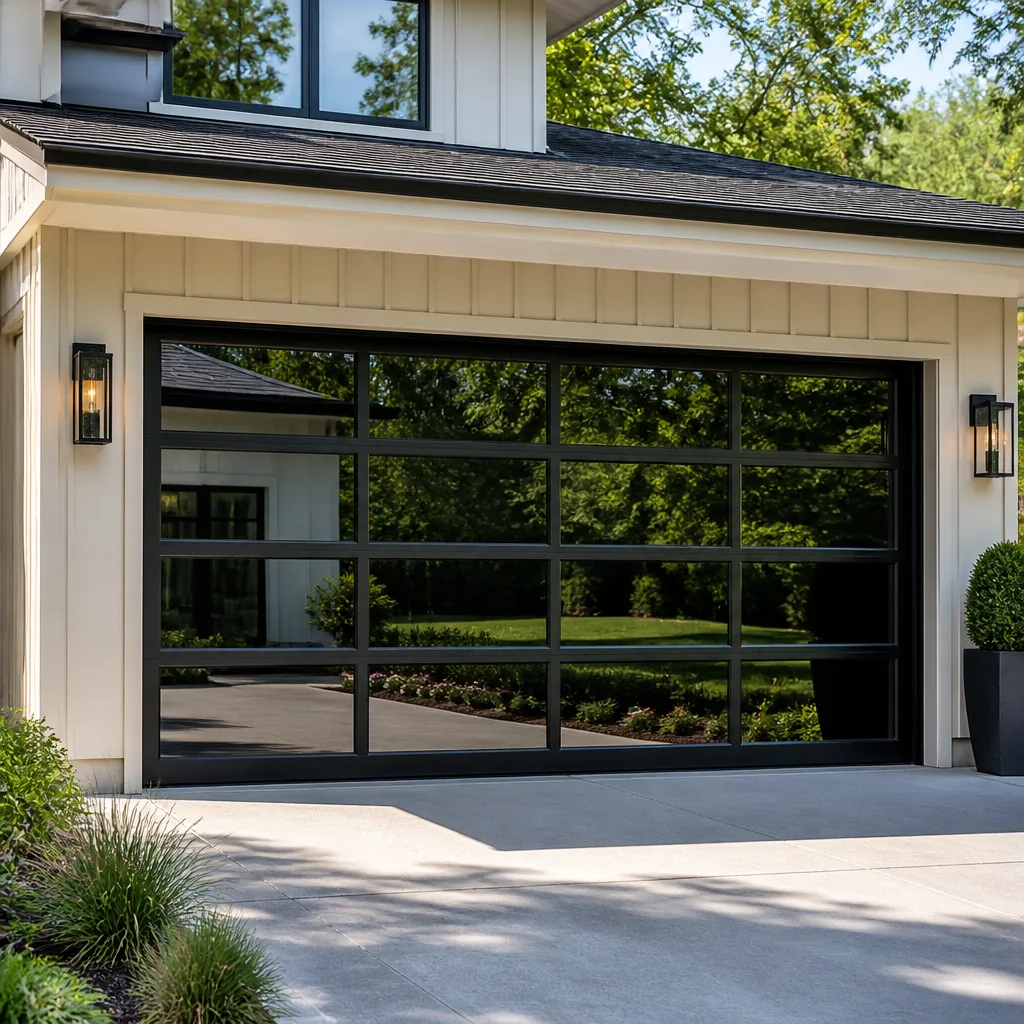 Full-view glass
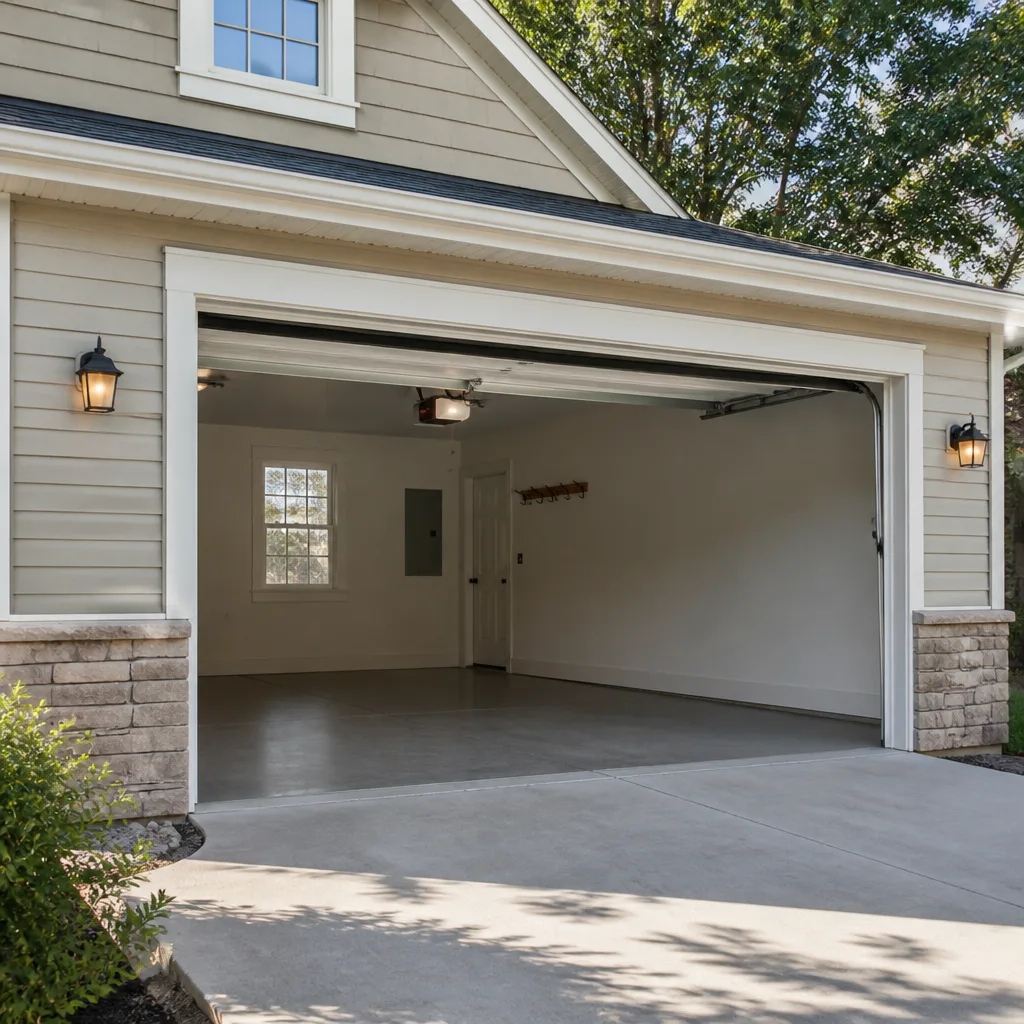 LiftMaster openers
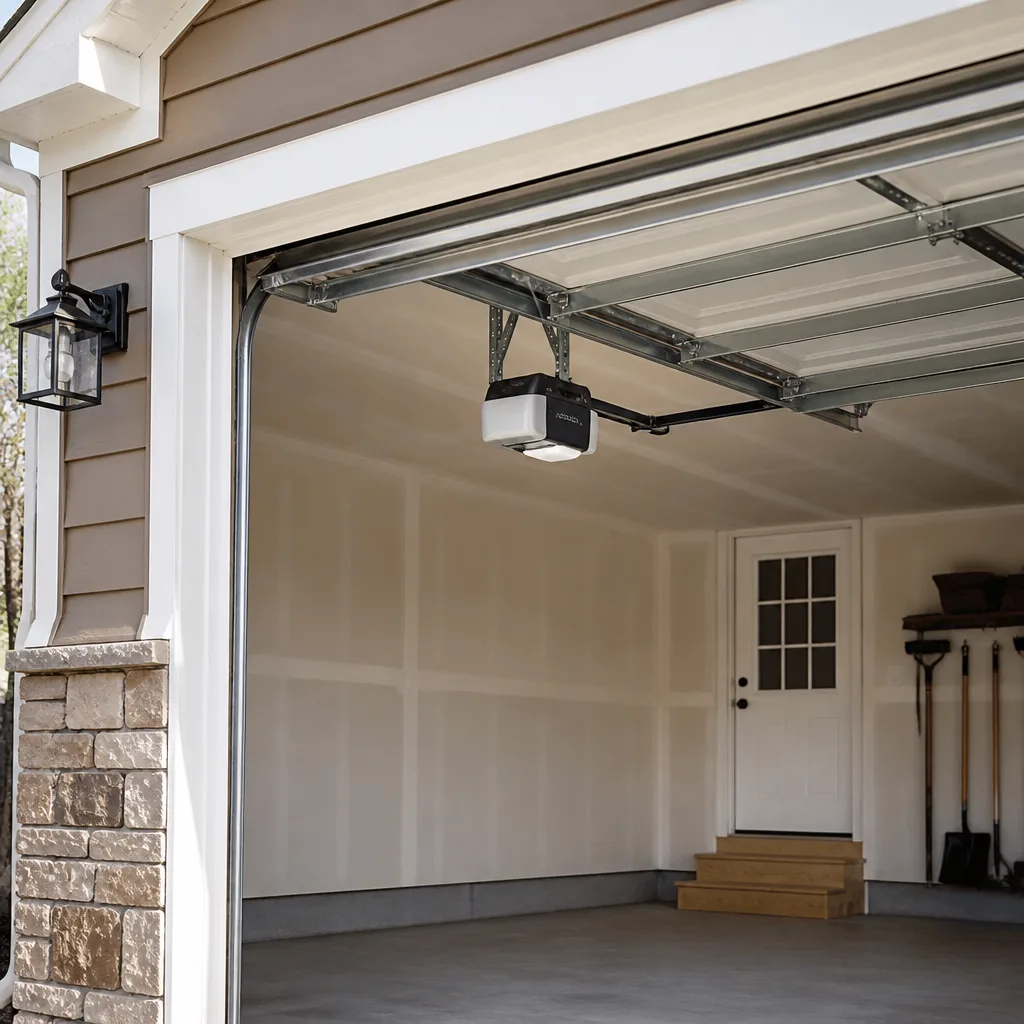 Chamberlain openers
Full 25-point door and opener safety check with every visit - springs, cables, rollers, tracks, and your LiftMaster or Chamberlain opener included
You get a price before we start. It does not change when the pro arrives.
Get your free estimateChoosing the Right Garage Door Brand: A Buyer’s Guide for Norfolk
A showroom tells you how a door looks. It doesn’t tell you how that door will hold up through a Norfolk summer, whether you can get a replacement hinge without a two-week wait, or if the opener inside it will talk to the app you already run your house with. Most buying guides rank brands by style and price. That gets a lot of Norfolk homeowners into the wrong door. What actually matters here is compatibility and longevity: hardware that survives the local climate, parts you can source locally when something breaks, and an opener brand that matches the smart-home setup you already have. This guide walks through door brands, opener brands, and the specs nobody puts on the brochure, so you can pick once and live with the choice.
Quick Answer
For most Norfolk homes, Clopay and Amarr offer the strongest balance of corrosion-resistant hardware options, insulation, and parts availability through Hampton Roads suppliers. Pair the door with a LiftMaster, Chamberlain, or Genie opener based on the smart-home system you actually use, and confirm the door section’s steel gauge before you sign. Brand tier should match your home’s value and how the garage gets used, not just what looks best on the lot.
Styles & brands we work with
- Raised-panel steel
- Carriage house
- Modern flush
- Full-view glass
- LiftMaster openers
- Chamberlain openers
Table of Contents
- Why brand choice matters more in Norfolk than the brochure suggests
- Door brands compared: Clopay, Wayne Dalton, Amarr, and the specs that count
- Opener brands: LiftMaster vs. Chamberlain vs. Genie for Norfolk homes
- Parts availability in Hampton Roads: what’s on a shelf and what isn’t
- The spec most guides skip: door section gauge and dent resistance
- Matching brand tier to home value and use case
- How a brand decision becomes an installation decision
- Brand familiarity and repair: why it matters who knows your system
Why brand choice matters more in Norfolk than the brochure suggests
A garage door is a big piece of moving hardware bolted to a house that sits in a climate with real humidity swings, hot summers, and the occasional nor’easter pushing wind-driven rain against the door face. Those conditions stress hinges, rollers, springs, and the finish on steel panels. A brand that engineers its standard hardware for that environment holds up. A brand that doesn’t will still look fine the day it’s installed and start showing the difference a few summers later.
The same logic applies to parts. Every garage door eventually needs something: a snapped torsion spring, a bent roller, a section that took a hit from a car bumper. If the brand has distributor stock in the Hampton Roads area, that repair gets scheduled and finished. If the brand requires a factory order, the door can sit unusable for days while you wait on a single part. In Norfolk, where most garages are attached and the door is the main way in and out, that delay costs you real convenience.
There’s also the question of who works on it. Norfolk Garage Door Repair Co is factory-familiar with eight major brands, which means a technician arrives already knowing how a given door is built instead of learning on your garage floor. That kind of brand-specific familiarity changes how fast a repair goes and how confident you can be in the diagnosis.
What this guide covers, in order: which door brands make the most sense in Norfolk, why the opener brand deserves equal weight, the parts-availability reality, and the steel-gauge spec that determines how long a panel survives a dent.
Door brands compared: Clopay, Wayne Dalton, Amarr, and the specs that count
The right door brand in Norfolk is the one whose standard hardware resists corrosion, whose insulation fits your garage’s use, and whose warranty you can actually enforce through a local supplier. Style comes after those.
Here’s how the brands we work with most often compare on the criteria that matter locally:
- Clopay – broad model range from basic steel to insulated carriage-house styles, with corrosion-resistant hardware options available on many lines. Strong parts availability through Hampton Roads distributors, which keeps repair timelines reasonable.
- Amarr – solid insulation options and a reputation for durable steel construction; a good fit for attached garages where temperature control matters. Hardware availability is generally reliable in the area.
- Wayne Dalton – well-known for its Thermospan and foam-core insulated lines, which hold up well in temperature-sensitive garages. Parts availability is good but can vary by specific model, so confirm before ordering.
- CHI – often specified for carriage-house and higher-end architectural styles; a strong choice if the door’s look matters as much as its hardware. Confirm local parts supply before committing.
None of these brands is universally “best.” The right answer depends on your garage. An attached garage used as a mudroom or workshop benefits from better insulation. A detached garage used for storage needs durability more than thermal performance. And every one of these brands has models that fit mid-range and premium budgets.
Insulation R-value is worth checking on the spec sheet, but treat it as one number among several. A high R-value door with poor seals performs worse than a moderately insulated door installed properly with good weatherstripping. Warranty terms deserve the same scrutiny: read what’s actually covered (hardware, finish, structural) and for how long, because warranties vary widely by line within the same brand.
We install doors from Clopay, Amarr, Wayne Dalton, and CHI regularly, so we can walk you through how each one behaves in a Norfolk setting before you commit to a model.
Opener brands: LiftMaster vs. Chamberlain vs. Genie for Norfolk homes
The door is half the system. The opener is the other half, and opener brand matters as much as door brand for how the garage actually works day to day. It also matters for repair, because the brand determines how easy it is to get parts and service when something fails.
Norfolk homeowners tend to care about two things with openers: reliability and how well the opener integrates with smart-home systems they already use. Here’s how the three major opener brands stack up:
- LiftMaster – a strong choice if you want reliable belt or chain drive with a mature smart-home app and good local parts support. Widely installed and easy to service.
- Chamberlain – shares engineering lineage with LiftMaster (both are built on the same core platform) and generally offers strong smart features and competitive pricing. Excellent parts availability in the area.
- Genie – a solid alternative with reliable drive systems and quiet operation on many models; smart-home compatibility is good but confirm the specific model works with your hub or platform before buying.
If you’re repairing an opener rather than replacing one, brand familiarity matters most. A technician who works on LiftMaster, Chamberlain, and Genie systems every week will diagnose a dead opener faster than someone who mostly handles doors and treats openers as an afterthought. That’s why garage door opener repair covers all three major brands and the smart-home-compatible systems built around them.
One practical point: match your opener brand to the app ecosystem you actually use. If you run your thermostat and lights through one platform, confirm the opener you pick supports it natively rather than through third-party workarounds. This saves frustration later and keeps your garage integrated with the rest of the house.
Parts availability in Hampton Roads: what’s on a shelf and what isn’t
Parts availability is arguably the most underrated factor in garage door brand choice, and it’s the one most buying guides ignore entirely. Here’s how to think about it in Norfolk.
Some brands and models have strong distributor stock in Hampton Roads. That means when a spring, hinge, roller, or panel needs replacing, the part can be sourced locally and the repair scheduled quickly. Other brands or specific models within a brand require factory orders, which can stretch the timeline.
Here’s a practical checklist for checking parts availability before you buy:
- Ask the installer or supplier whether the specific model’s parts are stocked locally or factory-ordered.
- Confirm which local distributors carry the brand and how far they are from your home.
- Check whether the model’s proprietary components (operator arms, special rollers, custom panel profiles) are common or rare.
- Ask what the typical lead time is on any part that isn’t in local stock.
- Confirm the brand’s warranty service is handled through local suppliers, not factory returns.
The brands we work with most, including Clopay, Amarr, LiftMaster, and Chamberlain, generally have reliable local parts access. That’s part of why we recommend them for Norfolk. A brand with a beautiful catalog but no local parts pipeline will cost you time and money the first time something breaks, and garage doors always eventually need something.
This matters during garage door repair as much as installation. A stuck door with a hard-to-find part can sit broken for days. A door built on a brand with local stock gets fixed and forgotten.
The spec most guides skip: door section gauge and dent resistance
Section steel gauge is the door’s insurance against the dents and dings that come from a car bumper, a bike handlebar, a fallen branch, or just a stray ball in a garage full of tools. Most buying guides skip it. It matters.
Steel gauge runs on a counter-intuitive scale: lower numbers mean thicker steel. A 25-gauge door section is thinner than a 24-gauge section, which is thinner than a 27-gauge (sometimes called 2-inch-thick) insulated section. In practical terms:
- Thinner gauges are lighter and less expensive, but they dent more easily and can warp or bow over time.
- Thicker gauges resist dents better, hold their shape longer, and often come with better insulation and warranty coverage.
- Insulated, thicker sections tend to come on higher-end models and are usually worth the upgrade for attached garages used as living or working space.
In Norfolk, the case for a heavier gauge is simple: a garage door takes more abuse than any other part of the house’s exterior. A thin door will show every dent within a few years. A thicker door, especially one with a heavier section profile, will keep looking and working like new much longer. If the garage is attached and used daily, the heavier gauge earns its cost back through longer lifespan and fewer panel replacements.
Short version: don’t just check R-value. Ask what steel gauge the door’s section uses, and compare that across the models you’re considering. That one number tells you more about long-term durability than most of the marketing copy on the brochure.
Matching brand tier to home value and use case
The right tier depends on the home. A premium door makes sense in some Norfolk garages and is overkill in others. Two helpful comparisons: a detached carriage-house garage in Ghent has a different cost-benefit calculation than a standard attached garage in Norfolk Highlands.
Here’s how we think about matching brand tier to use case:
- Detached carriage-house garage in Ghent or West Ghent: the door’s appearance often matches the home’s architecture and the property’s overall value. A premium tier (like a CHI carriage-house model or a high-end Clopay line) makes sense, especially if the garage is visible from the street or used as a garage apartment.
- Attached garage in a standard residential home (Norfolk Highlands, Ocean View, or similar): a mid-tier insulated door from Clopay or Amarr is usually the right balance of durability, insulation, and value. The garage is used daily, so comfort and reliability matter more than architectural showmanship.
- Storage or utility garage: durability and parts availability matter more than insulation or finish. A basic model from a brand with strong local parts support is often the smartest choice.
The same logic applies to openers. A standard Chamberlain opener makes sense for a basic garage. A premium LiftMaster unit with smart-home integration adds real value if the homeowner uses connected systems daily. Matching tier to actual use keeps the cost in proportion to the benefit.
If you’re planning a new door, a professional garage door installation starts with this kind of brand-and-tier conversation, not a catalog flip. That’s where the choice gets made correctly.
How a brand decision becomes an installation decision
Choosing a brand is step one. Making sure it gets installed correctly is step two, and it’s where many installations go wrong. Installing a garage door is not a two-hour weekend project. It’s a job that involves measuring the opening precisely, leveling the tracks, balancing the torsion springs, and adjusting the opener so the door moves smoothly through its full travel. Brand choice determines what hardware you’re installing. Installation quality determines how it performs for the next decade.
For a new door, the process typically looks like this:
- Measure the opening, confirm headroom and side clearance, and check the existing framing.
- Choose the brand, model, and gauge based on the criteria in this guide.
- Order the door and confirm parts availability and lead time.
- Remove the old door and hardware, and inspect the opening for damage or misalignment.
- Install the new door, tracks, and springs to manufacturer specification.
- Balance the door, test it through its full range, and adjust the opener.
- Test the safety reverse feature and confirm the door seals correctly against the weatherstripping.
The spring installation step is the one that matters most for safety. Torsion springs carry significant stored tension, and even many experienced do-it-yourselfers won’t touch them. That’s why we treat Norfolk Garage Door Repair Co as a specialist in the full system, from the door’s hardware to the springs to the opener, rather than a general contractor. Our technicians have up to 13 years of experience, and that experience is what keeps the installation safe and the door balanced correctly from day one.
Brand familiarity and repair: why it matters who knows your system
The final reason brand choice matters is repair. A garage door is a long-term ownership commitment. Over its life it will need a new opener, new springs, new rollers, and likely a panel or two. When a repair comes up, the question is who’s doing it and whether they know the brand.
Norfolk Garage Door Repair Co works on Clopay, Amarr, Wayne Dalton, CHI, LiftMaster, Chamberlain, Genie, and more. That’s not a boast. It’s a practical point: when a technician already knows how a brand builds its doors and openers, the diagnosis is faster, the repair is more accurate, and the part they bring is more likely to be right the first time.
This matters especially for the higher-stakes repairs. Spring replacement is one of the most dangerous jobs in the trade, and it’s the one where brand-specific knowledge helps most. Different brands use different spring types and mounting systems. A technician who knows your system is safer than one who’s learning it on your garage floor.
It also matters for emergencies. A door that won’t open or won’t close is a safety and security concern. Emergency garage door service exists for exactly those situations, and brand familiarity speeds up the response. When a door is stuck, knowing the system is what gets it moving again.
Common Mistakes to Avoid
- Choosing a brand by looks alone. A beautiful door with hardware that doesn’t hold up in Norfolk’s humidity is a future maintenance bill. Check the hardware spec, not just the finish.
- Ignoring parts availability. A brand without local Hampton Roads stock turns a simple repair into a waiting game. Ask before you buy.
- Upgrading the door but not the opener. A new insulated door with a worn or mismatched opener won’t perform as it should. Match both or replace both.
- Skipping the steel gauge check. Thin sections dent easily and lose their looks fast. Ask for the gauge and compare it across models.
- Installing the door yourself to save money. Torsion springs and track alignment are the parts of the job where DIY goes wrong most often, and springs can cause serious injury. Leave them to a trained professional.
- Assuming the highest price equals the right brand. Match the tier to the home, not to the catalog’s best-looking page. A premium door in a utility garage is money poorly spent.
- Never asking who will service the brand. Before you commit, confirm the installer and repair specialist are familiar with that brand. It’s the difference between a smooth fix and a frustrating one.
See the difference
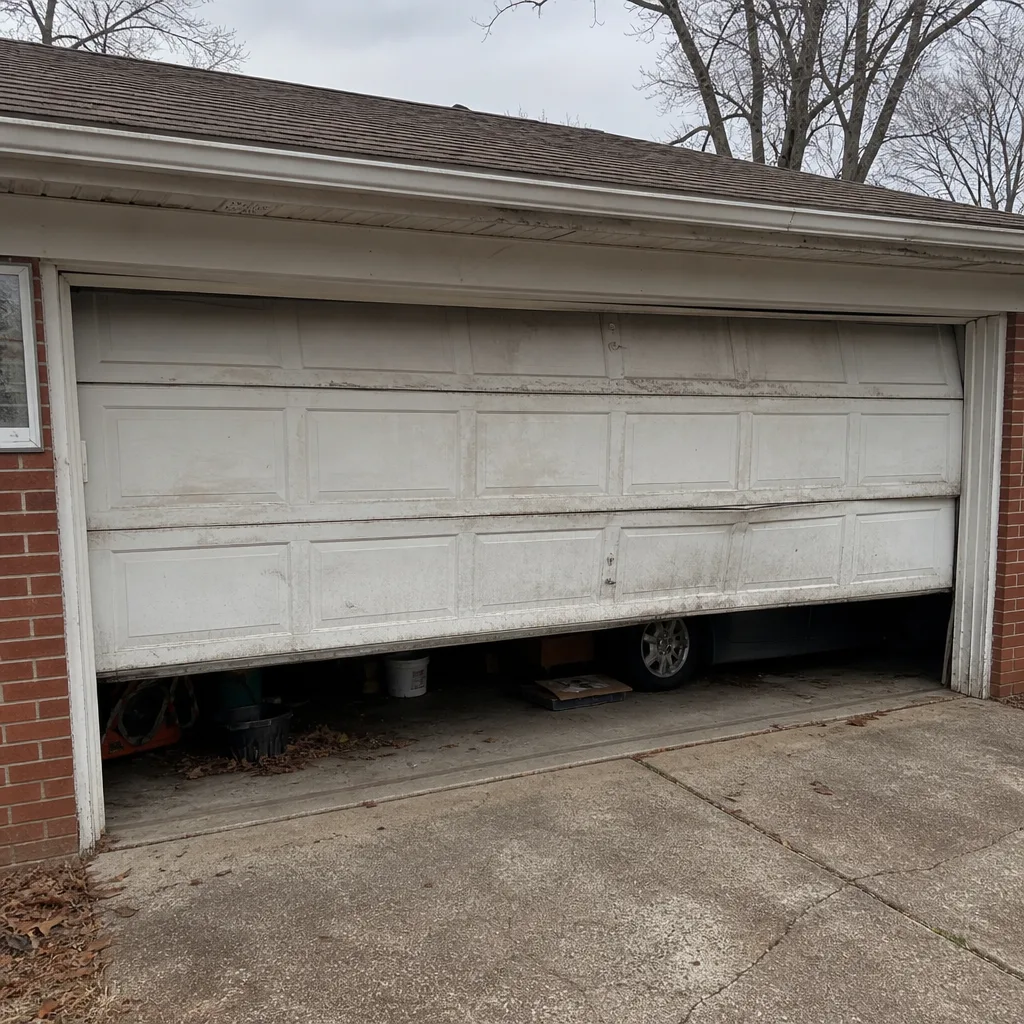 Before
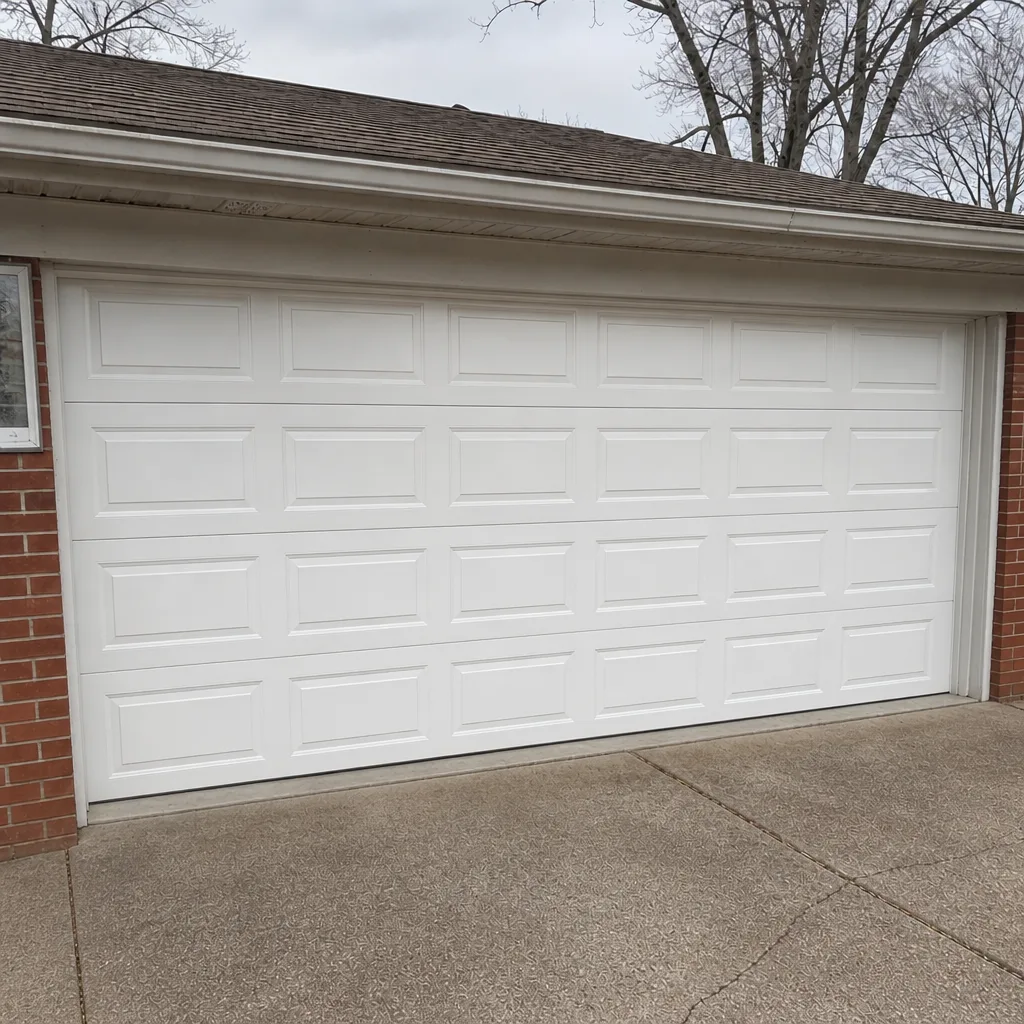 After
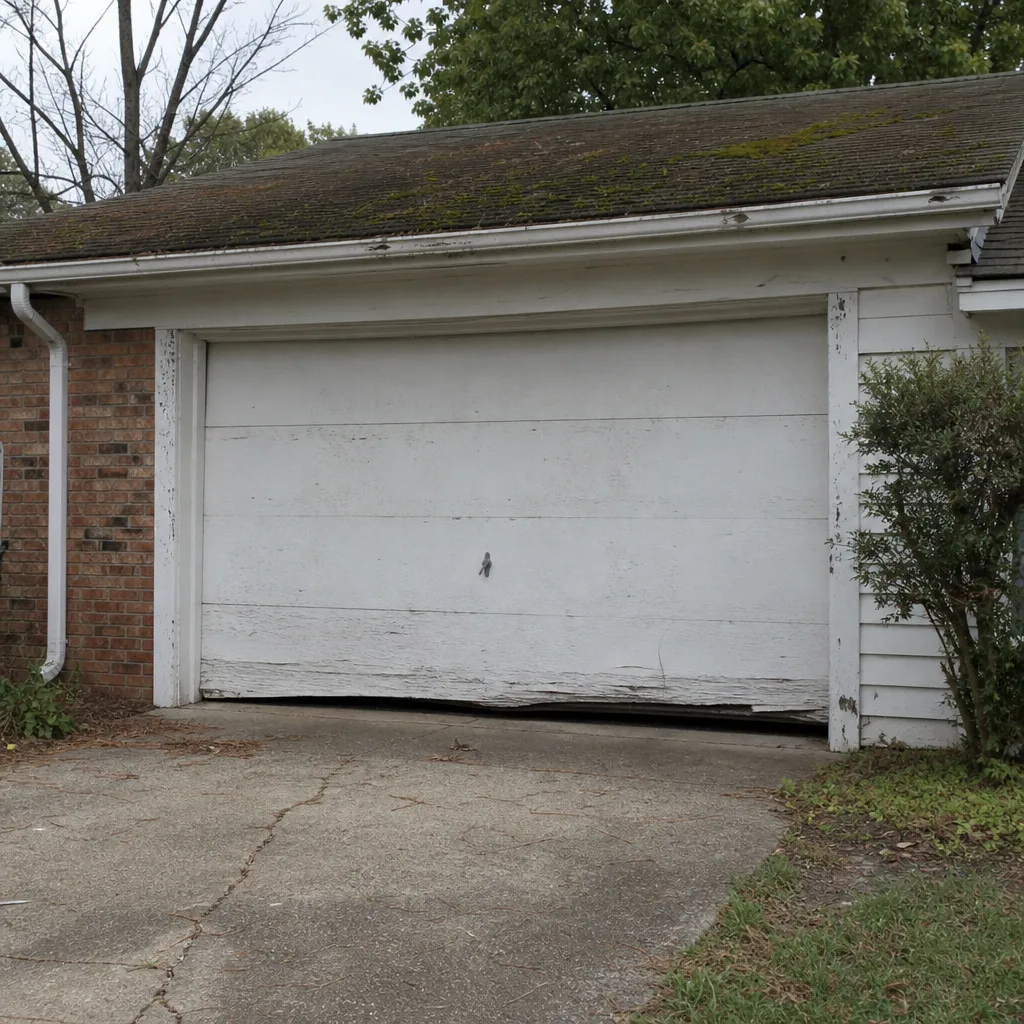 Before
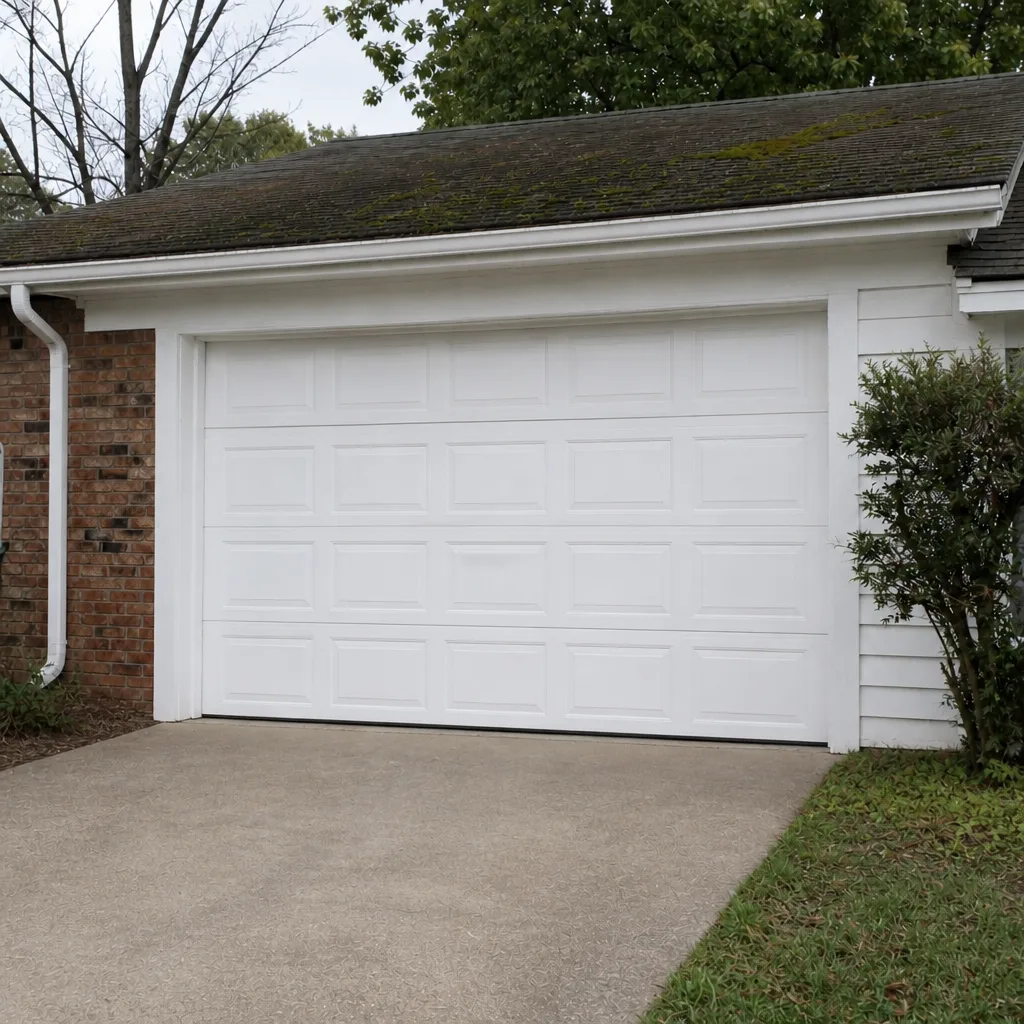 After
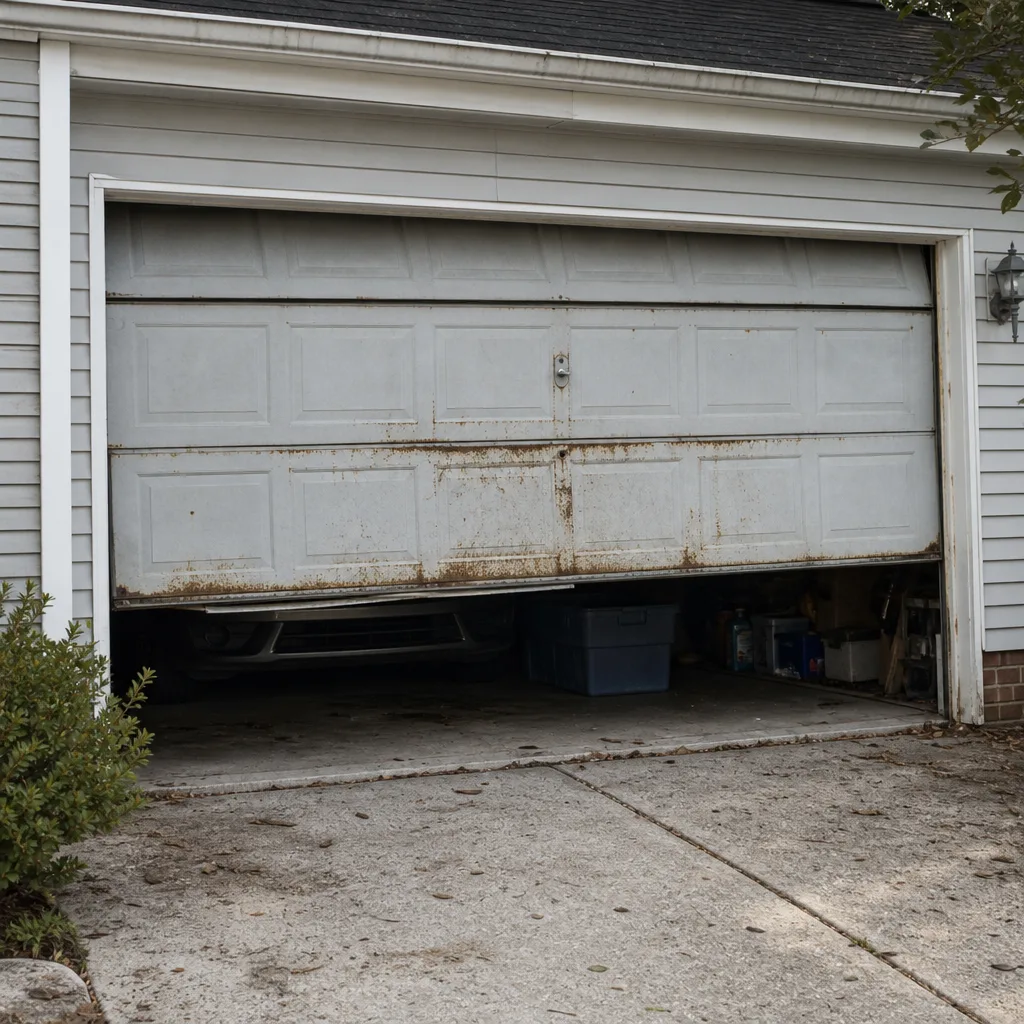 Before
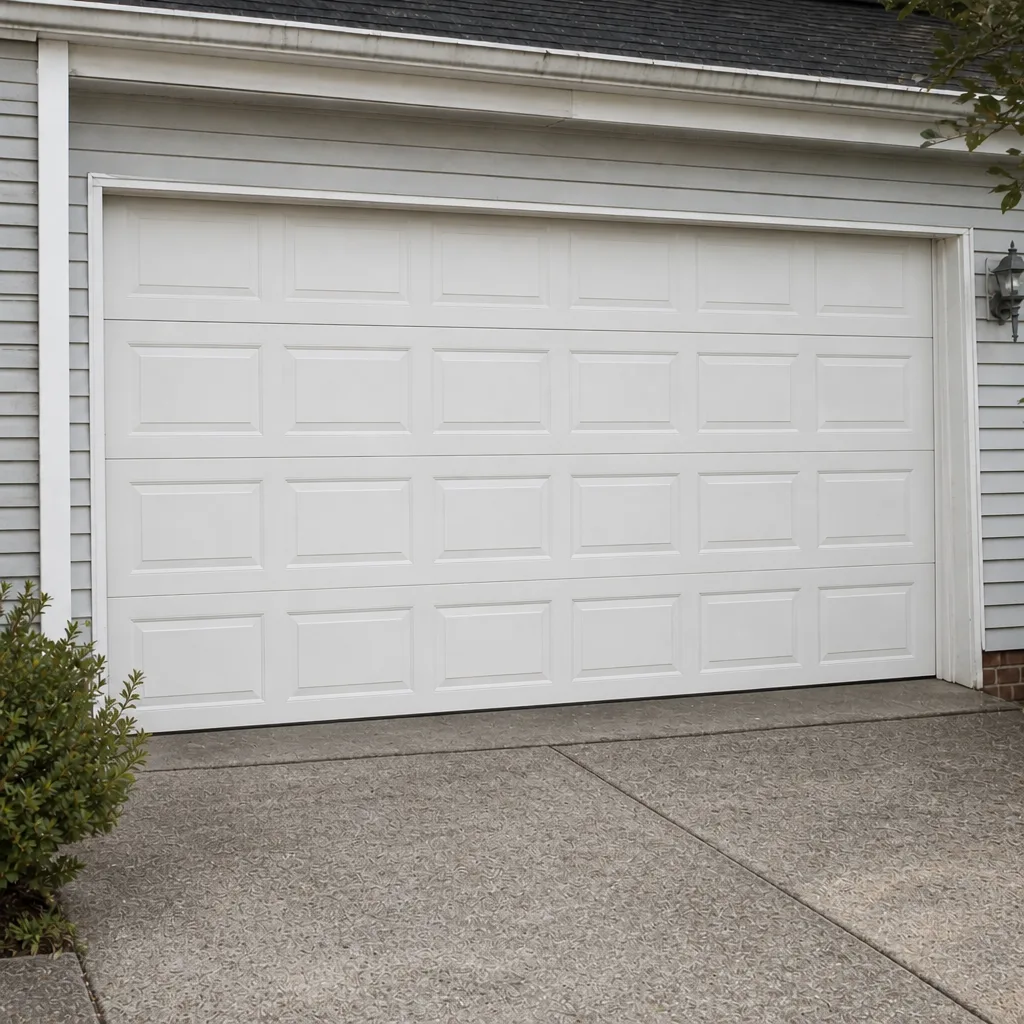 After
When to Call a Professional
You should call a professional when your garage door won’t open or close reliably, when a spring has snapped, when the opener runs but the door doesn’t move, or when you’re planning a new installation and need a proper measurement and brand recommendation. You should also call before you attempt any repair involving torsion springs or track alignment; those are the jobs where a mistake can cause serious injury or damage the whole system. Norfolk Garage Door Repair Co offers free estimates in Norfolk. Call (877) 831-7441 to get started.
Frequently Asked Questions
Clopay and Amarr are typically the strongest choices for most Norfolk homes because they combine durable hardware, good insulation options, and reliable local parts availability through Hampton Roads suppliers. The best brand for your specific home depends on your garage’s use case, your budget, and whether you want a standard or premium tier.
Yes. The opener brand determines how well your garage integrates with smart-home systems, how easy it is to find parts, and how quickly a technician can repair it. LiftMaster, Chamberlain, and Genie are the three most common and most serviceable opener brands for Norfolk homes. Match the opener to the platform you actually use.
Ask the installer or supplier directly whether the specific model’s parts are stocked in Hampton Roads or require factory ordering. Confirm which local distributors carry the brand, and ask about typical lead times on non-stock parts. The brands with reliable local stock generally give you much faster repair timelines.
Look at what the warranty actually covers: hardware, finish, structural components, and for how long. Warranty terms vary widely within the same brand line, so compare specific models rather than assuming the brand-wide warranty applies. Confirm the warranty service is handled locally, not through factory returns.
Thicker steel sections resist dents and warping better than thin ones, and they hold their shape longer through Norfolk’s humidity swings and use cycles. A heavier-gauge insulated section is generally worth the upgrade for attached garages used daily. Ask for the steel gauge when comparing models.
Not always, but often it’s the right call. A new insulated door is heavier than some older doors, and an aging opener may not handle the added load. If your opener is more than about ten years old or struggles with weight, replacing it along with the door avoids future repairs.
The Bottom Line
Brand choice for a Norfolk garage door comes down to compatibility and longevity, not showroom looks. Pick a door brand with corrosion-resistant hardware and local parts availability, match the opener brand to the smart-home system you actually use, and check the steel gauge before you commit. Match the tier to your home’s value and garage use. And when a repair comes up, work with someone who knows the brand already in your garage. That combination gives you a door that works as well in year ten as it did on day one. To plan your installation or repair, call Norfolk Garage Door Repair Co at (877) 831-7441 for a free estimate.
Written by the team at Norfolk Garage Door Repair Co.