Last updated November 21, 2026
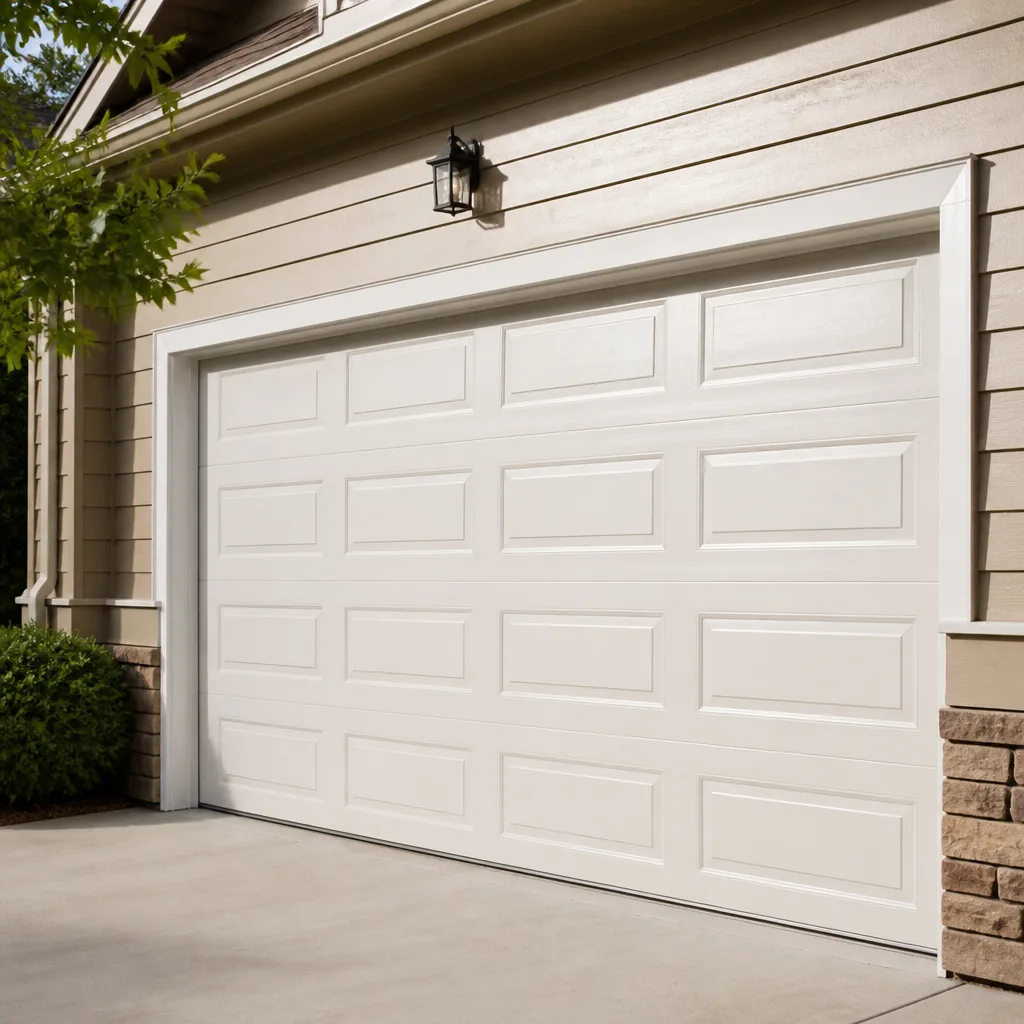 Raised-panel steel
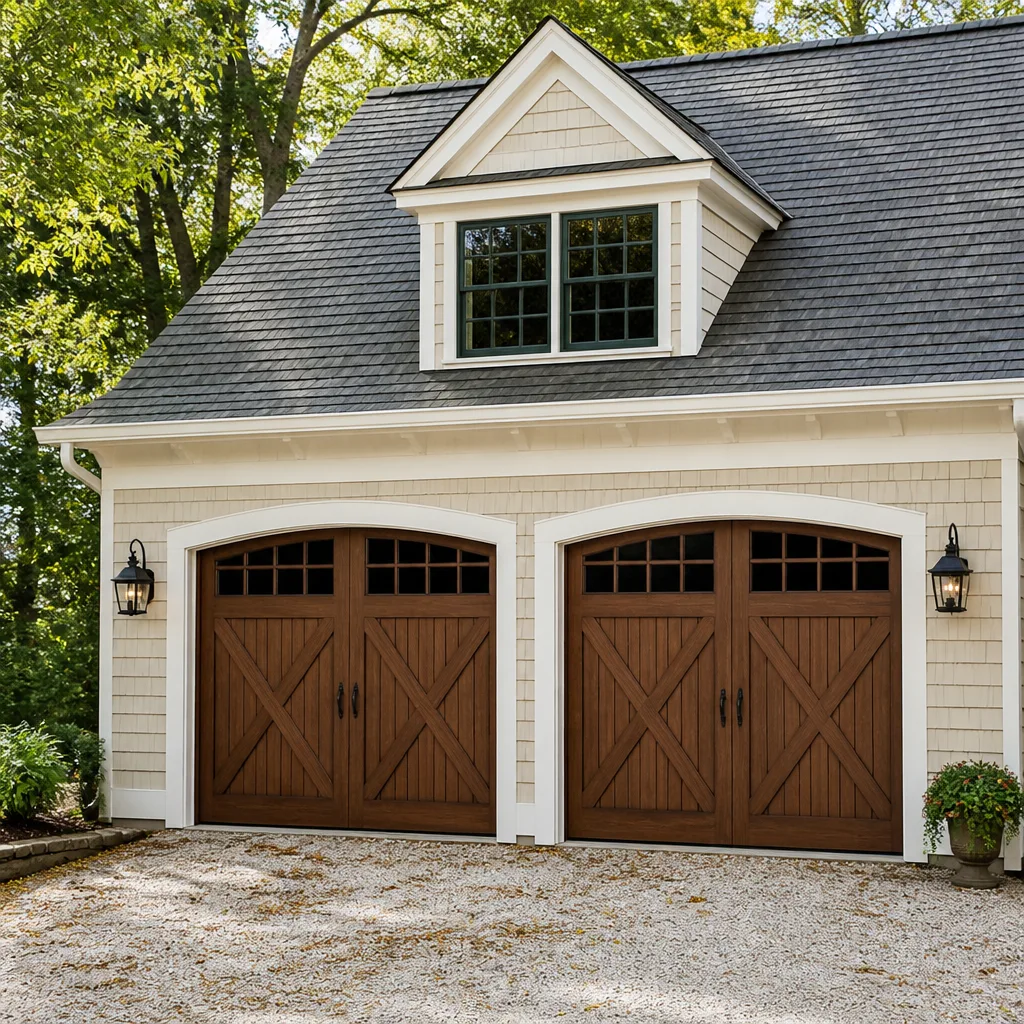 Carriage house
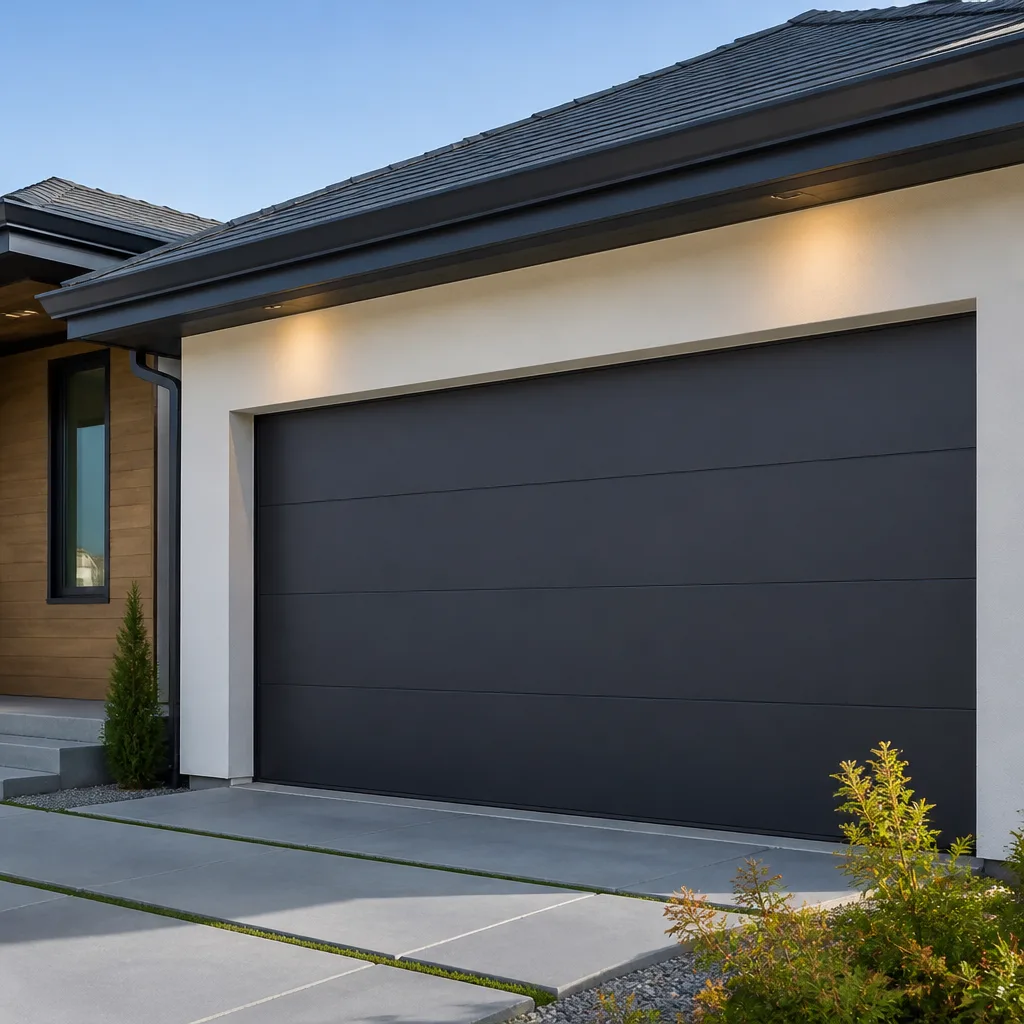 Modern flush
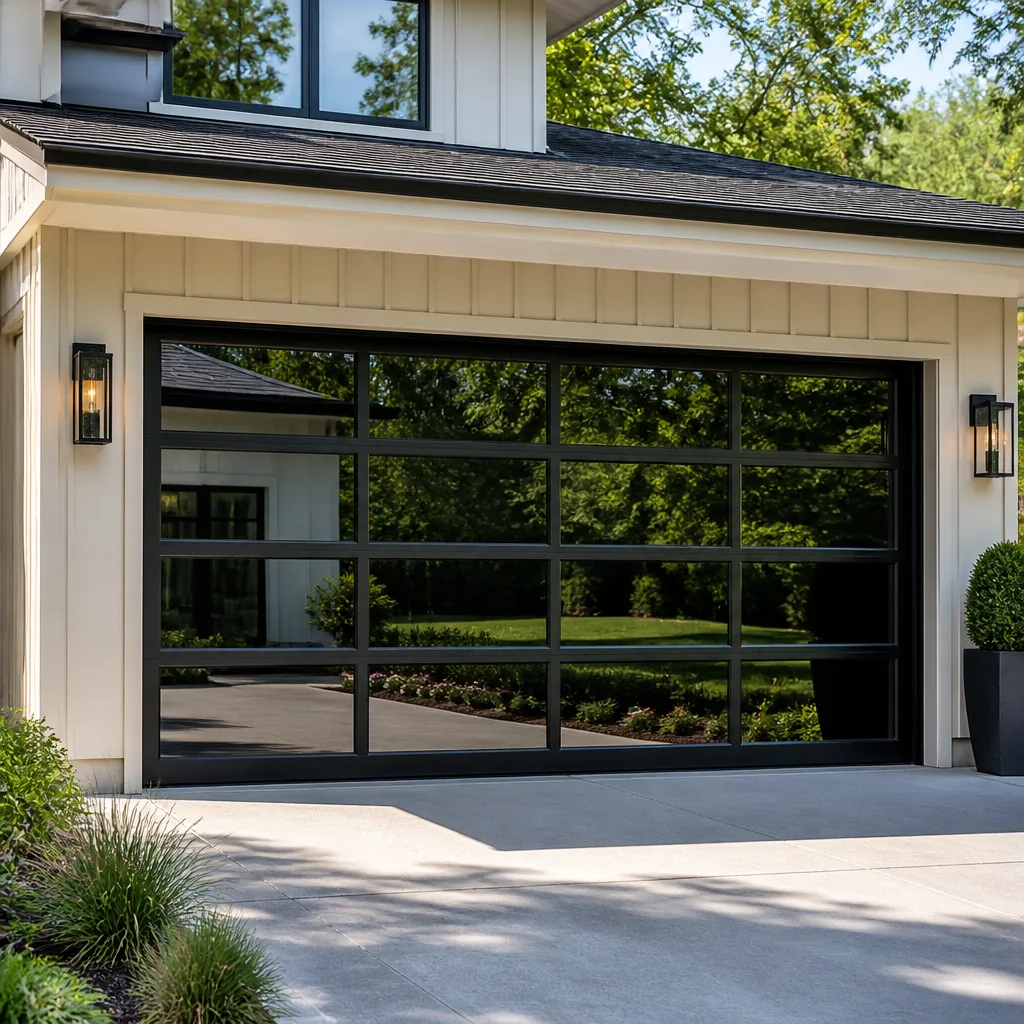 Full-view glass
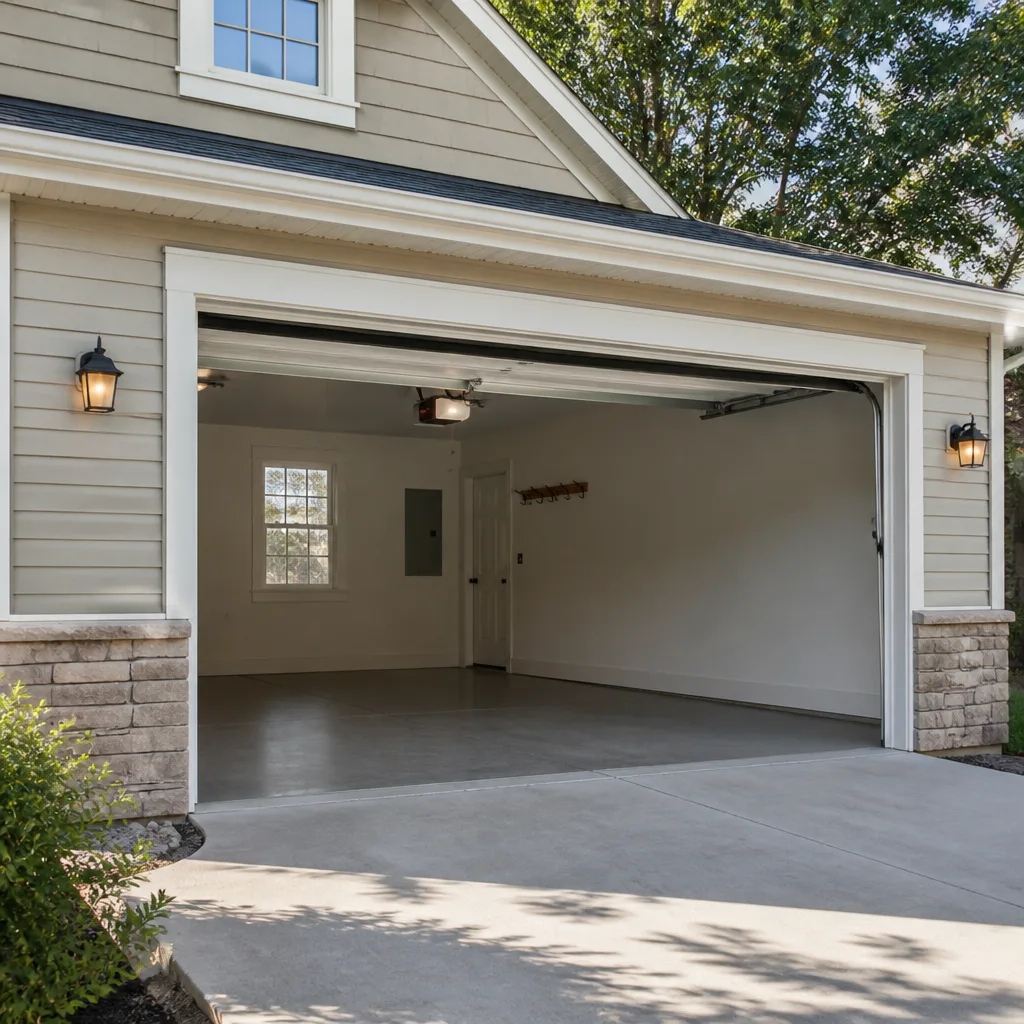 LiftMaster openers
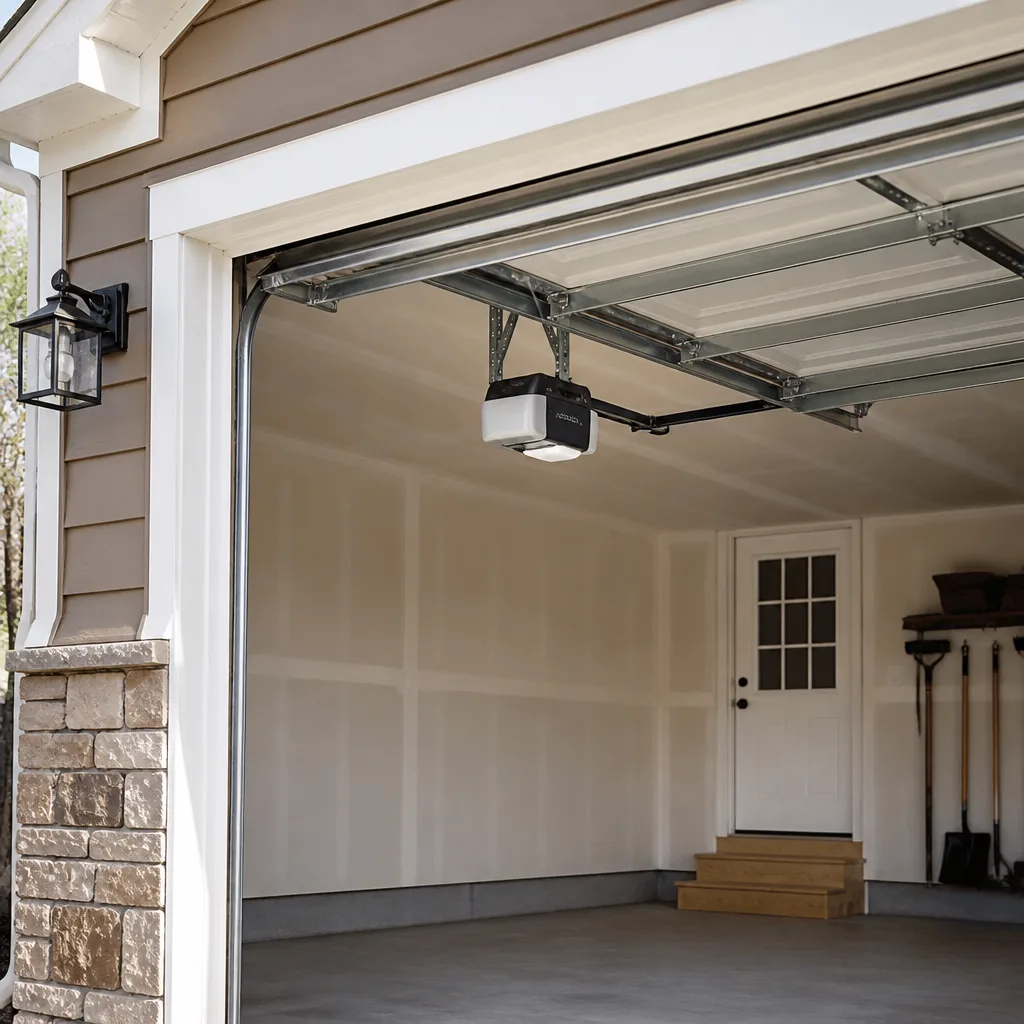 Chamberlain openers
Full 25-point door and opener safety check with every visit - springs, cables, rollers, tracks, and your LiftMaster or Chamberlain opener included
You get a price before we start. It does not change when the pro arrives.
Get your free estimateGarage Door Warning Signs: A Norfolk Homeowner’s Reference Guide
A garage door that hesitates for half a second before it moves isn’t “getting old.” In Norfolk’s humid, storm-heavy climate, that micro-pause is often the first detectable sign of a fraying cable or a binding roller, and it tends to fail fast once it starts. Most warning-sign guides give you a list of obvious symptoms and leave it there. This one works differently. We focus on the sounds, the timing patterns, and the visual cues that show up months before a failure rather than minutes before one, and we tell you which signs mean call today and which mean you have time to plan. Catching the early signals is the difference between a small service call and a full emergency replacement.
Quick Answer
The warning signs that matter most for a Norfolk garage door are a half-second hesitation before the door moves, a grinding or popping sound during travel, springs with visible rust bloom, a door that drifts or slams when you disengage the opener, and an opener that reverses or stops without a visible obstruction. Any of these points to a hardware problem rather than a remote or sensor glitch, and several of them can escalate to a sudden failure within days. Signs like a slow drift, uneven gaps, or mild squealing usually give you a planning window; popping, grinding, or a door that won’t stay up mean stop using it and call.
Styles & brands we work with
- Raised-panel steel
- Carriage house
- Modern flush
- Full-view glass
- LiftMaster openers
- Chamberlain openers
Table of Contents
- The Five Sounds That Point to Specific Hardware
- The Half-Second Hesitation and What It Means
- Visual Indicators: Rust Bloom, Fraying, and Panel Wear
- Opener Behavior: Mechanical vs. Electrical vs. Sensor Problems
- The 30-Second Asymmetry Test
- How Norfolk Humidity Accelerates Wear
- Same-Day Signs vs. Planning-Window Signs
- Brand-Specific Cues on the Systems We Service
The Five Sounds That Point to Specific Hardware
Sound is the most underrated diagnostic tool a homeowner has. When you hear something new from your garage door, the type of noise tells a trained technician almost as much as a physical inspection. If you can name the sound, you’ve already narrowed the fault to a system. Here’s how we break it down on the doors we see across Norfolk.
- Grinding. A low, metallic grind during travel usually points to dry or worn rollers, a bent track, or a torsion drum that’s chewing a cable. It’s the sound of metal on metal without lubrication, and it gets worse the longer you run the door.
- Squealing. A high-pitched squeal is typically a lubrication and friction issue: hinges, rollers, or the torsion shaft itself. It’s the least urgent of the five, but left alone it accelerates wear on everything it touches.
- Popping. A single loud pop or a series of pops during opening or closing frequently means a torsion spring is under strain or a cable has jumped its drum. This is a stop-using-the-door sound.
- Slapping. A rhythmic slap or flapping often comes from loose hinges, worn bearings, or a door panel that’s come loose from its stile. It’s a panel and hardware problem more than an opener problem.
- Rattling. Constant rattle points to loose bolts, worn rollers, or a slack chain or belt on the opener. Rattling is your earliest, friendliest warning. It’s also the easiest to ignore and the one that quietly leads to bigger fixes.
If you can’t pin the sound down, describe it when you call. “It pops once when it starts” and “it grinds the whole way up” send a technician to two different jobs. That saves everyone time and gets you a sharper estimate on arrival. Our garage door repair team hears these descriptions daily and can tell you whether it’s a same-day issue.
The Half-Second Hesitation and What It Means
Here’s the one almost no one talks about. When you press the remote and the door pauses for a beat before it starts moving, that delay is usually not the opener thinking about it. In most cases it’s the opener applying torque to a mechanism that’s resisting, and that resistance almost always lives in the cable and drum assembly or in the springs. A door that used to leap into motion now stutters because the force it takes to lift it has gone up.
In Norfolk’s summer humidity, the drum and cable take the brunt of it. A door that hesitates is often a door whose cable is fraying at the drum, and a frayed cable fails without warming up. You’ll get a hesitation, then a hesitation, then a snap. The door may drop or jam mid-travel, and now you’re locked in or out at a bad moment.
How to tell hesitation from a normal, slow opener:
- Disengage the opener using the emergency release. The door should move by hand smoothly and with modest effort.
- If it moves smoothly by hand but hesitates when the opener runs, the problem is in the opener’s drive or the door’s balance.
- If it’s stiff or heavy by hand, the problem is mechanical, and the door should stay down until a technician sees it.
- Watch the hesitation. If it’s growing over days or weeks, that’s a mechanical problem, not a remote or logic board glitch.
This is exactly the kind of early sign that Norfolk Garage Door Repair Co wants you to call about before it becomes an emergency.
Visual Indicators: Rust Bloom, Fraying, and Panel Wear
You can catch most spring and cable failures with your eyes if you know where to look. In Norfolk, the tell is rust bloom, a fine orange-brown speckling that appears on springs and cables before any visible break. Springs in humid climates wear through their coating and start to rust. Rust eats into the steel, and that’s where fatigue cracks begin. A spring with rust bloom at its coil is on borrowed time.
The cables deserve the same attention. Look at the cables where they wind onto the drum at the top corners of the door, and where they attach at the bottom corners. A cable that’s frayed will show individual broken strands poking out, and it may look dry or slightly kinked. Frayed cables are the most common cause of sudden, dangerous failure we see on Norfolk doors.
What to look for, in order
- Springs: rust bloom, gaps in the coil, or an obvious break. A broken spring usually means the door won’t lift, and the opener may strain and stop.
- Cables: fraying, kinks, or a cable that’s come off its drum. A cable off the drum is a stop-using-the-door situation.
- Panels: dents, cracks, or separation at the stiles. Panel damage weakens the door and can throw it out of balance.
- Hinges and rollers: loose screws, worn wheels, or visible rust on moving parts.
- Weatherstripping: flattened or torn bottom seals that let moisture and pests in.
Be careful with springs and cables. Torsion springs store tremendous energy, and a cable under tension can snap violently. If you see rust bloom or fraying, don’t touch it and don’t run the door. Call for a trained technician to assess it safely. Spring work is our specialty for exactly this reason.
Opener Behavior: Mechanical vs. Electrical vs. Sensor Problems
When your opener misbehaves, the first question is whether the problem is mechanical, electrical, or the safety sensors. You can often tell the difference without tools just by watching the door’s behavior. This is where a lot of homeowners call about a “bad opener” when the opener itself is fine and the door is the problem.
How to tell them apart
- Mechanical. The opener runs, the motor turns, but the door doesn’t move smoothly or stops partway. That’s usually a door balance, spring, cable, or roller problem, not the opener.
- Electrical. The opener does nothing, or the lights flicker, or it hums without moving. That can be the logic board, the capacitor, the drive gear, or a power issue. LiftMaster and Chamberlain units often show diagnostic blink codes that hint at the fault.
- Safety sensor. The door goes down an inch or two and reverses. That’s almost always a misaligned, dirty, or sun-blinded sensor, or a broken sensor wire. Genie and Craftsman units are common on Norfolk doors, and sensor alignment is a frequent culprit.
Before you call, note the brand and model of your opener, and whether the opener light stays on or blinks in a pattern. That’s the kind of information that turns a vague “my opener is broken” into a clean diagnosis. Our garage door opener repair service covers all major drive types, including smart-home-compatible systems. If your door reverses on its own, that’s a safety issue, and the door shouldn’t be used unattended until it’s checked.
The 30-Second Asymmetry Test
An out-of-balance door is a door quietly wearing itself out. You can check balance yourself in about 30 seconds, and it’s the single most useful test in this guide. Why it matters more in Norfolk: humidity swells wooden doors and loosens hardware, and an imbalance that would be mild in a dry climate gets worse faster here. Uneven wear accelerates on the springs, cables, and rollers on the heavy side.
How to run the asymmetry test
- Close the door fully and disconnect the opener with the emergency release, so the door moves by hand.
- Raise the door to about waist height and let go. It should stay put with little or no drift.
- If it drops, slides down, or climbs on its own, the door is out of balance.
- Look at the gaps at the bottom corners on each side. If one side hangs lower, the door is off-level.
- Re-engage the opener only after you’ve confirmed the door holds its position.
A door that fails this test is putting extra load on the opener every single cycle. That load shows up as premature opener wear, faster spring fatigue, and eventually a door that won’t stay up at all. Rebalancing is one of the least expensive fixes on this list, and it buys you time everywhere else. If the door drifts or slams during the test, don’t run the opener until a technician looks at it.
How Norfolk Humidity Accelerates Wear
Garage doors in Norfolk live through hot, humid summers and damp winters, and that cycle is hard on the parts that fail first. The mechanics are simple. Moisture in the air works its way into spring coatings, hinges, and cable strands. Steel that’s exposed to that cycle rusts faster than steel in a dry climate. Add in temperature swings and storm seasons, and you get a wear pattern that shows up earlier than the manufacturer’s general guidance suggests.
The parts most affected are the ones under load: torsion springs, cables, rollers, and hinges. A door that’s a few years old in Norfolk can show the hardware condition of an older door in a drier place. That’s why we tell homeowners to inspect visually every few months rather than waiting for a scheduled check. Rust bloom on a spring in springtime is a familiar sight on Norfolk doors, and it’s a clear signal to get ahead of it.
What helps:
- Keep the garage reasonably dry. A damp garage is hard on every metal part in it.
- Lubricate moving parts like hinges, rollers, and the torsion shaft periodically, using a garage-door-appropriate lubricant. Never lubricate the springs themselves.
- Watch the bottom weather seal for torn or flattened areas that let moisture in. The neighborhoods near the water and in low-lying parts of Norfolk tend to see this sooner.
- Check the hardware after storm season. High wind events can loosen hinges and knock panels out of alignment without breaking anything obvious.
We work on the brand already in your garage, so a technician arriving for a LiftMaster opener or a Raynor door knows the hardware and the common failure points. Our technicians have up to 13 years of experience with these systems.
Same-Day Signs vs. Planning-Window Signs
Not every warning sign is an emergency, and treating them that way costs homeowners money on urgent service calls they didn’t need. Here’s how we sort the signs. The rule of thumb: signs that involve stored energy (springs, cables, a door that won’t stay up) are same-day. Signs that are about friction, alignment, or the opener’s convenience features usually give you a reasonable planning window.
Signs that need same-day service
- A popping sound followed by a door that won’t lift
- A door that won’t stay up when you let go, or that slams down
- A visible broken spring, or a cable off its drum
- A door stuck open with the garage exposed, or stuck closed with a car inside
- Frayed cable strands visible near the drum
For any of these, our emergency garage door service is there to get you safe and secure. When your door won’t move, we will. We can work with your insurer if a storm or impact is involved.
Signs with a reasonable planning window
- Mild squealing or a slow, occasional rattle
- A door that’s slightly out of balance but still stays up
- An opener that chirps, blinks, or hesitates but still moves the door
- Worn weatherstripping or a loose hinge
- A remote that works only up close (often a battery or sensor issue)
These are worth a scheduled visit, but you don’t need to drop everything. If you’re thinking about a new door or a major upgrade rather than a repair, that’s a different conversation. Take a look at garage door installation to see how that process works and what to expect.
Brand-Specific Cues on the Systems We Service
Different brands show their wear in different ways, and recognizing the brand in your garage helps you know what to watch. We’re factory-familiar with eight major brands. Here’s a short rundown of the cues we see most on Norfolk doors.
- LiftMaster and Chamberlain: These openers share a lot of internals. A humming motor that won’t move the door often points to a worn drive gear or capacitor. Watch for blinking diagnostic codes and note the pattern.
- Genie: A door that reverses without an obstruction is often a sensor alignment issue. Note whether the sensor LED is lit when the beam is clear.
- Craftsman: Older Craftsman openers frequently show travel-limit drift, where the door stops before fully closing. That’s usually a limit-switch adjustment rather than a failed opener.
- Raynor: These doors are built to last and often signal spring or cable wear before the door itself shows problems. Rust bloom and hesitation are the cues to watch.
Clopay, Amarr, and Wayne Dalton doors show up on plenty of Norfolk homes too, and panel and hardware wear patterns differ by construction. If you’re not sure what you have, snap a photo of the opener label and the door’s hardware before you call. That small step speeds up the diagnosis and the estimate.
Common Mistakes to Avoid
- Ignoring the hesitation. A half-second delay feels harmless, so homeowners wait for a full failure. In Norfolk humidity that hesitation is often the cable fraying at the drum, and it fails without warning. If you feel it, don’t wait.
- Lubricating the springs. Springs are not meant to be greased, and a greased spring collects grit and hides the rust you need to see. Lubricate the hinges and rollers, leave the springs alone.
- Running the door on a broken spring. The opener will strain to lift a door it can’t control, and that’s how you turn a spring repair into a spring-and-opener repair. Stop using the door.
- Assuming every problem is the opener. A door that won’t lift smoothly is usually a door problem. Replacing an opener won’t fix a balance or cable issue, and you’ll have paid twice.
- Forgetting the visual check. Most spring failures in Norfolk give a visual heads-up weeks earlier, but only if someone looks. A two-minute walk-through every few months is worth the time.
- Skipping the balance test. An out-of-balance door wears everything faster. It takes 30 seconds to check and saves the wear that compounds in a humid climate.
- Attempting spring work yourself. Torsion springs store dangerous energy, and the wrong adjustment can release it suddenly. Spring repair is a job for a trained technician, every time.
See the difference
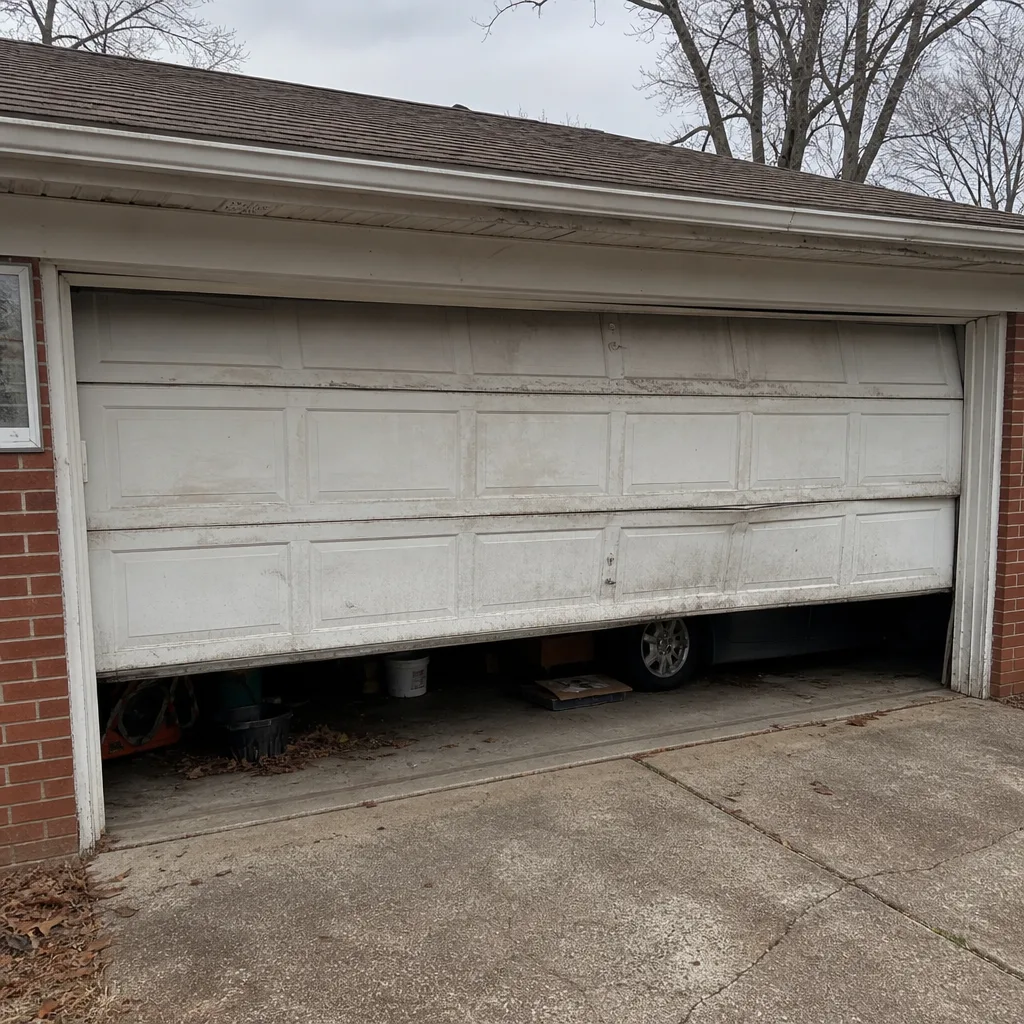 Before
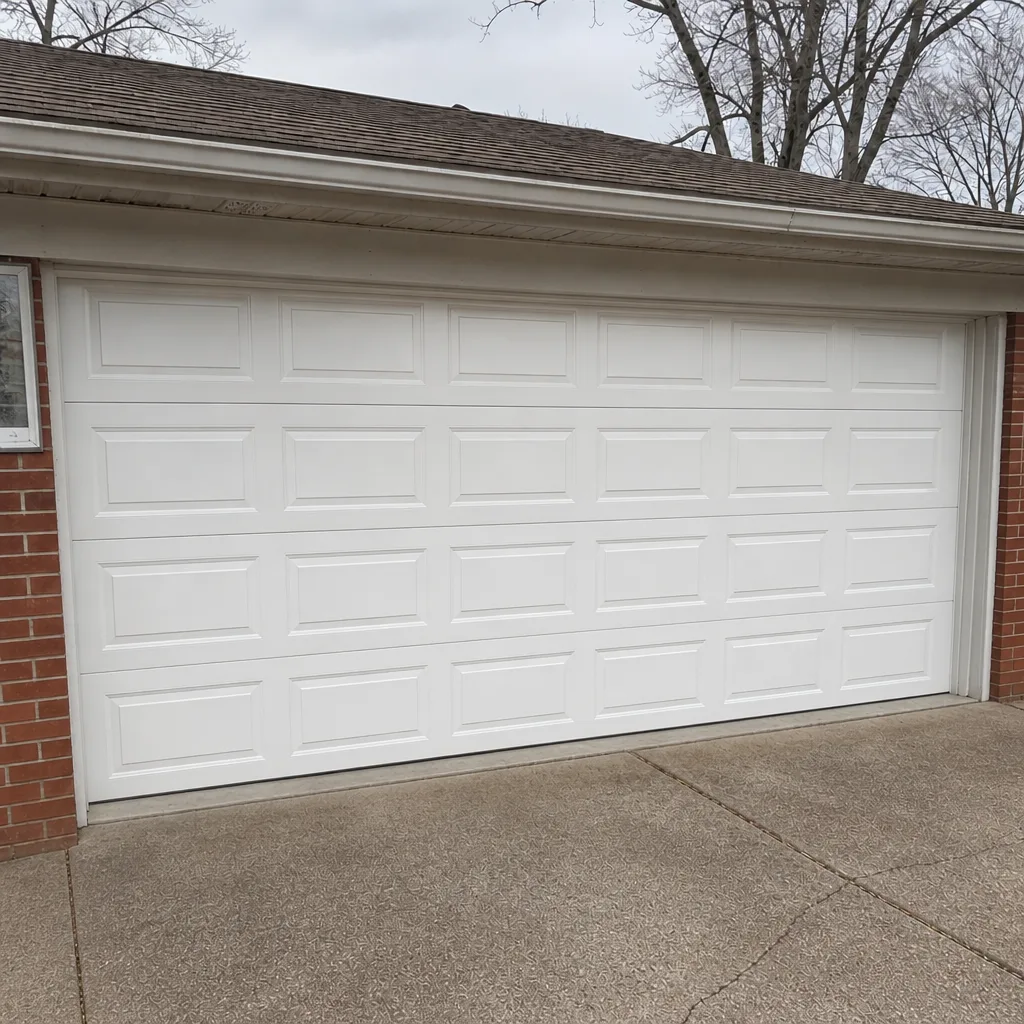 After
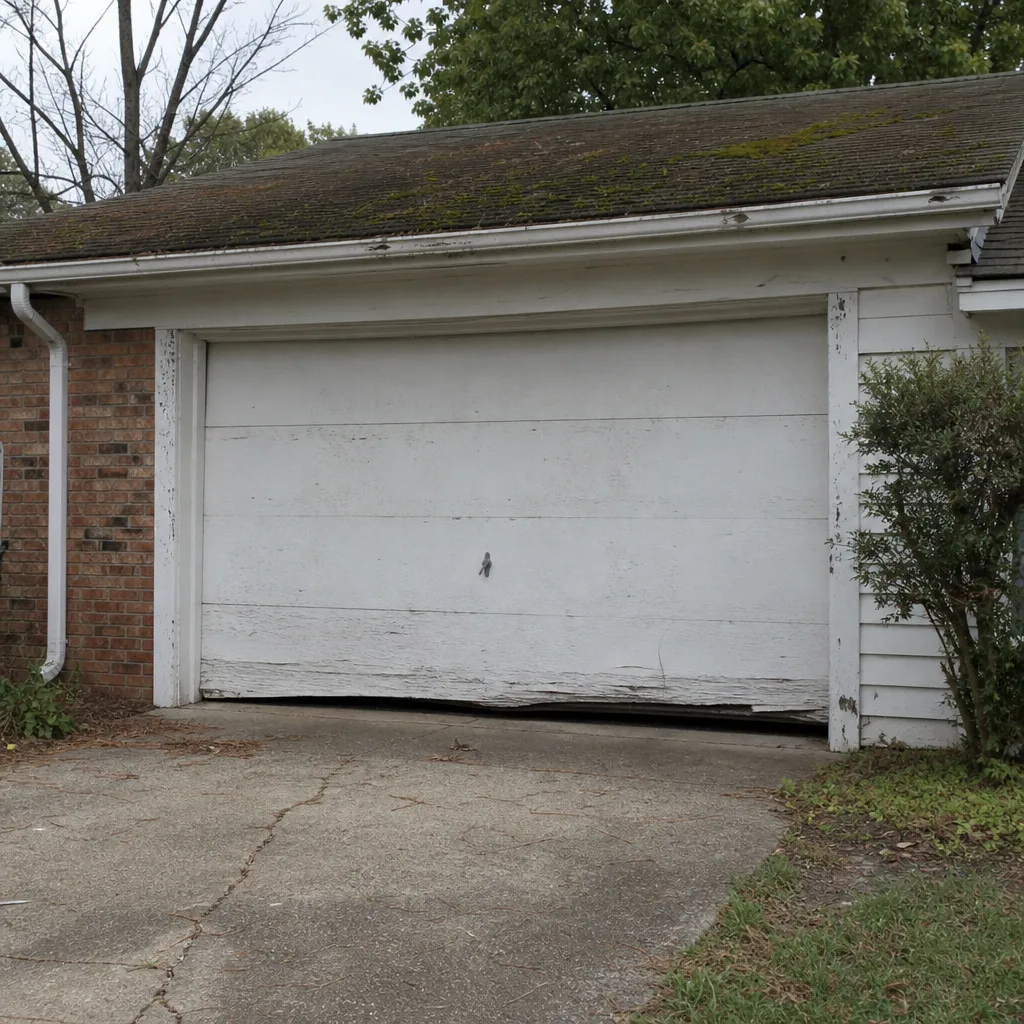 Before
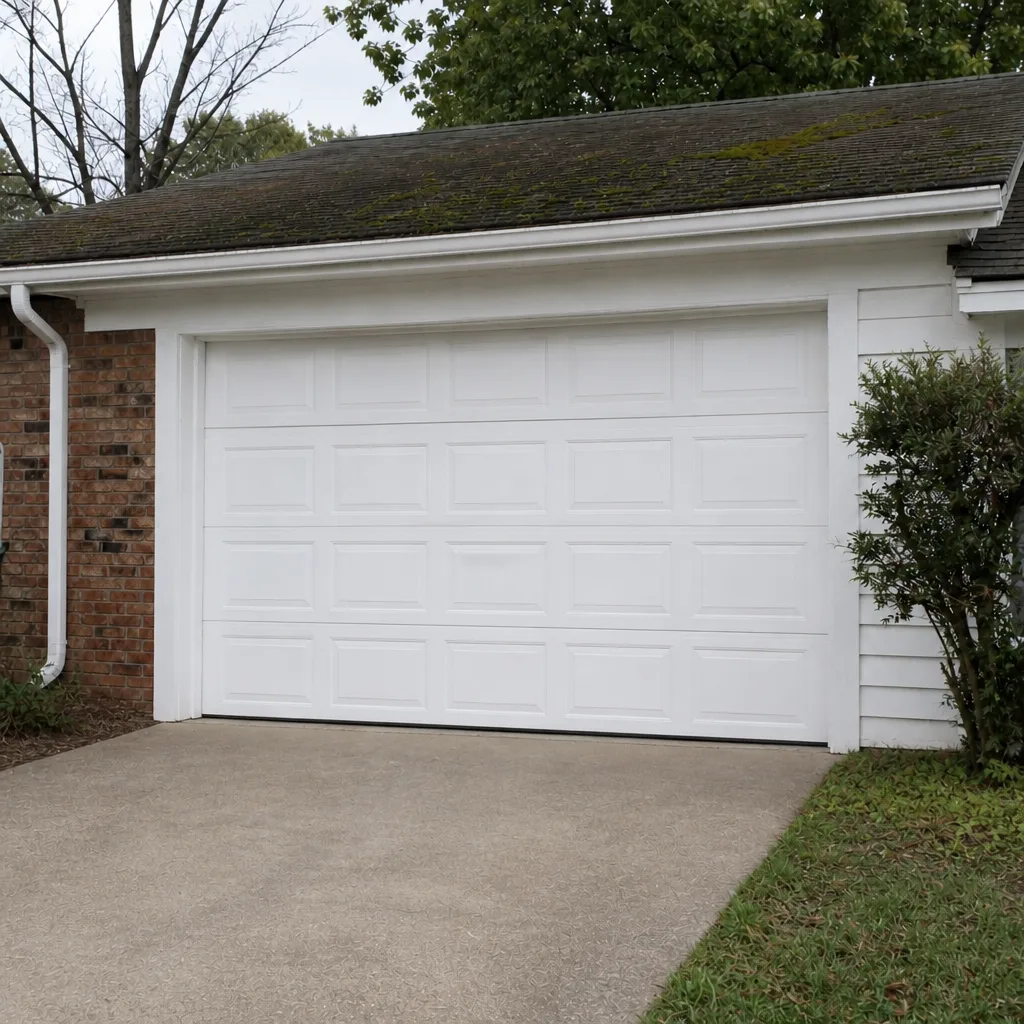 After
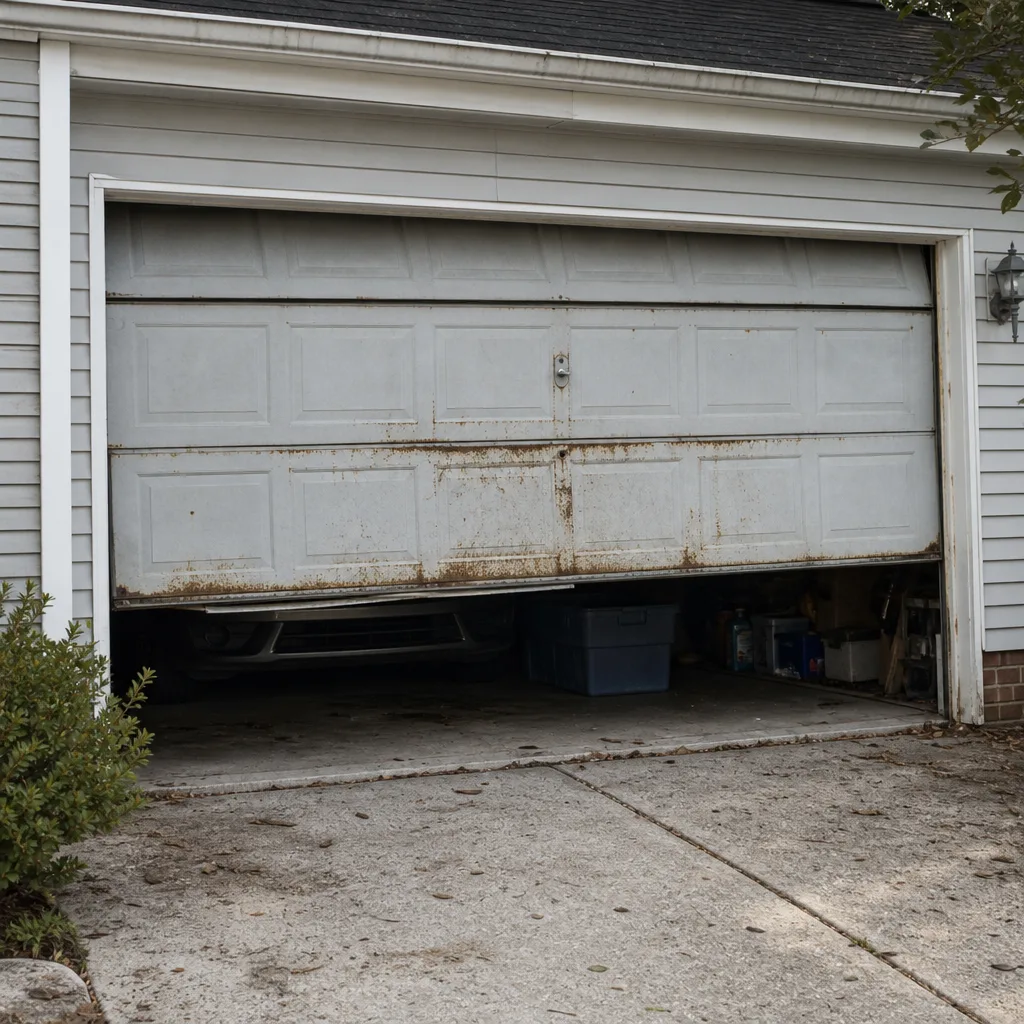 Before
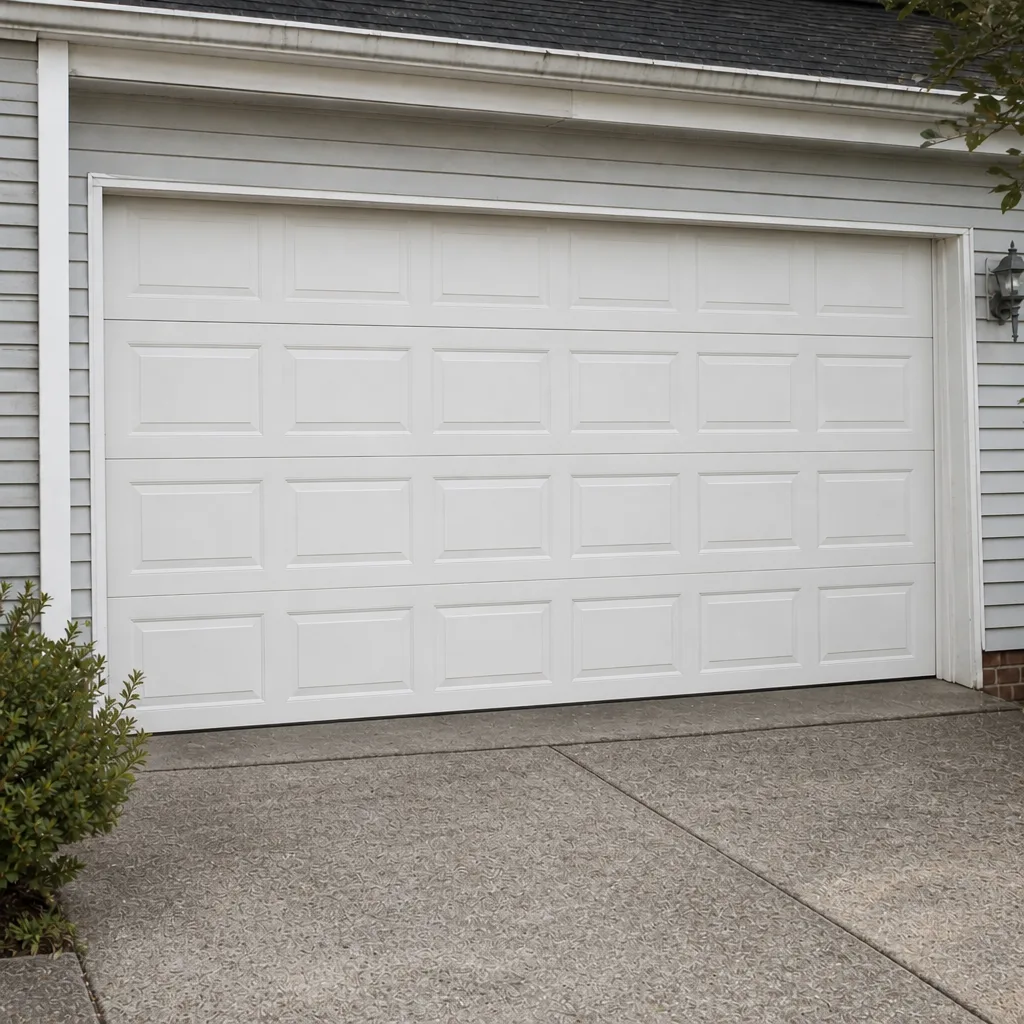 After
When to Call a Professional
Call a professional when you hear a pop or grind, when the door won’t stay up, when you see rust bloom or frayed cable strands, or when the door hesitates for more than a blink before it moves. Call immediately if the door is stuck open or closed, since that leaves your garage unsecured or your car trapped. For a slow drift, a rattle, or a minor sensor issue, a scheduled visit is plenty. The one thing we’d never advise is DIY spring or cable work. The stored energy in those parts is genuinely dangerous, and the repair needs the right tools and technique. Norfolk Garage Door Repair Co offers free estimates in Norfolk. Call (877) 831-7441 to get one, and we’ll tell you whether it’s a today job or a when-you’re-ready job. We quote the price and agree on it before any work starts, so there are no surprises when the job is done.
Frequently Asked Questions
The earliest reliable sign is a half-second hesitation before the door starts moving, often with a faint grinding or popping sound. That hesitation usually means a cable, spring, or balance problem is developing. It’s often detectable weeks before a full failure. If you notice it, call (877) 831-7441 for a free estimate.
The door hesitates because the opener is fighting resistance from a binding door, a worn drum, or a cable that’s fraying. It’s rarely a remote or logic board issue. Have a technician check it before it turns into a sudden failure. Call (877) 831-7441 to book an estimate.
Yes. Rust bloom on a torsion spring is an early indicator of fatigue and corrosion, and corrosion often leads to spring failure. In a humid climate that bloom shows up earlier than a homeowner would expect. Have a trained technician assess it rather than running the door. Call (877) 831-7441 for a free estimate.
Run the asymmetry test: disconnect the opener, lift the door to waist height, and let go. If it drifts, drops, or climbs on its own, the door is out of balance, not the opener. A door that holds position but still fails to move points to the opener. Either way, call (877) 831-7441 for an exact diagnosis and estimate.
A pop followed by a door that won’t lift, a door that slams down, a visible broken spring, or a door stuck open with the garage exposed all mean call now. Our emergency service handles these because they’re safety and security issues. Call (877) 831-7441 and we’ll get an estimate moving.
It helps a lot. LiftMaster, Chamberlain, Genie, Clopay, Amarr, Wayne Dalton, Craftsman, and Raynor all have their own hardware and diagnostic codes, and knowing the brand speeds up the repair. If you’re not sure, a photo of the opener label works. Call (877) 831-7441 and we’ll walk you through it.
The Bottom Line
The warning signs that matter most aren’t the dramatic ones. They’re the half-second hesitation, the grinding that starts one morning and stays, the rust bloom you can spot on a spring from across the garage. In Norfolk’s humid climate, these signs show up earlier than most homeowners expect, and catching them early is what keeps a small service visit from turning into a replacement. Check the sounds, watch the door’s behavior, run the asymmetry test, and look for rust and fraying. Signs that involve springs, cables, or a door that won’t stay up are same-day calls. The rest give you time to plan. If any of this matches what you’re seeing, call (877) 831-7441 for a free estimate, and we’ll tell you which category your door is in.
Written by the team at Norfolk Garage Door Repair Co.